How Dive Centres Get More Bookings
Every booking channel a dive centre has — walk-ins, WhatsApp, OTAs, marketplaces, direct — with what each really costs and where to start.
Free to list — a flat 10% only when a booking lands, and divers pay the balance directly to you.
List your dive centre →Ask ten dive centre owners where bookings come from and you hear the same list in different proportions: walk-ins, WhatsApp, the hotel next door, repeat guests, and some mix of online channels bolted on over the years. This guide goes through each channel with what it genuinely costs, in commission or in your evenings, and where a stretched operation should put effort first.
Run a dive centre? List it on Diving Scanner — free to list, a flat 10% only when a booking lands, and divers pay the balance directly to you at the centre.
The channel map, honestly priced
| Channel | What it costs | What it delivers |
|---|---|---|
| Walk-ins & hotel desks | Commission to desks, or nothing | Same-day fills; dies with foot traffic |
| WhatsApp / email / phone | Your evenings | High conversion, zero reach to new divers |
| Repeat guests & referrals | Being good at the job | The best margin you will ever have |
| OTAs (Viator, GetYourGuide) | ~20% (Viator), 20-30% + paid "boost" (GYG), reported 2026 | Reach, at the price of margin and price control |
| Dive marketplaces | Varies; Diving Scanner: flat 10%, no listing fee | Divers searching specifically for diving |
| Your own website | Time or money to maintain | Direct margin; only works if findable |
Two patterns worth naming. First, the channels that cost nothing in cash cost the thing owners have least of: time. The late-night WhatsApp booking is a real business channel and a real reason owners burn out. Second, the 20-30% OTA commissions were built for tour products with software margins; on a dive with a boat, a guide and compressed air in the price, they eat the profit entirely. Operators know this, which is why commission trauma is the industry's default mood.
Where to start when everything competes for your time
Answer speed wins bookings you already earned. Divers message three centres and dive with whoever replies first. If WhatsApp is your channel, response time is your conversion rate.
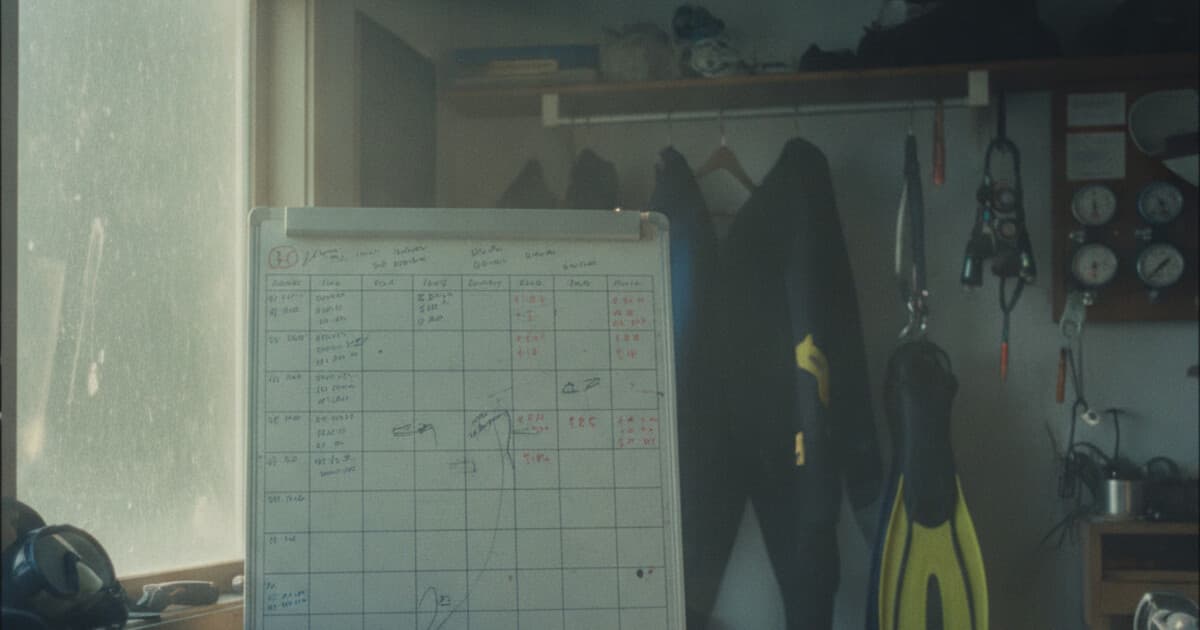
Get your prices visible. The whiteboard prices the walk-ins; nothing prices the diver planning from home. Whatever channels you use, the diver who can see your prices, dates and what is included books with confidence; "DM for prices" filters out exactly the well-prepared guests every centre says it wants.
Protect the review engine. Reviews from real customers are the most durable marketing a small centre has, and platforms that verify them (on Diving Scanner, only divers with a completed booking can review) protect you from both fakes and a rival's bad week.
Mind the season maths. Deep commissions hurt most exactly when you are full: August bookings you would have won anyway. Cheaper channels for peak season, wider reach for the shoulders, is the allocation most owners land on once they run the numbers. Our dive shop marketing guide covers the demand-generation side of the same problem.
Where we fit, stated plainly
Diving Scanner is a young marketplace built specifically for diving: divers search by place, date and party size, compare real offers with prices shown, and book with a small online deposit. For centres the model is the one operators keep telling the industry they want — free to list, a flat 10% commission collected as that deposit, and the diver pays the balance directly to you at the dive. No payout cycles, no waiting for a platform to remit your own revenue. Centres are reviewed before going live, capacity is tracked per boat and per day, and listing takes minutes, not an afternoon. Centres that join while their market is early are established on the platform before their neighbours arrive.
Frequently asked questions
+How do dive centres get most of their bookings?
For most independent centres, the honest answer is walk-ins, WhatsApp and email, repeat guests, and hotel referrals — with online channels layered on top. The mix shifts by market: resort towns lean on walk-ins and partnerships, remote destinations on advance online booking.
+What commission do booking platforms charge dive centres?
Published and operator-reported rates as of 2026: Viator around 20%, GetYourGuide 20-30% with paid "boost" placement on top, and agency marketplaces vary. Diving Scanner charges a flat 10%, collected as the online deposit, with the balance paid directly to the centre.
+Do dive centres need online booking?
Increasingly, yes — not to replace WhatsApp and walk-ins but to capture the divers who plan before they travel. A diver comparing a destination from home books the centre whose prices and dates they can actually see; the centre that answers "DM us for prices" competes only for whoever is left.
+How can a small dive centre compete with big operators?
On the things size cannot buy: response speed, verified reviews, small groups, and showing real prices upfront. Most of a centre's competition is not the big operator down the beach — it is the diver giving up and picking whatever a hotel desk suggests.
The Diving Scanner editorial team writes about dive travel, safety and getting more out of your time underwater.
Free to list — a flat 10% only when a booking lands, and divers pay the balance directly to you.
List your dive centre →Keep reading

Looking at a dive shop for sale? The due-diligence list that matters — seasonality, equipment, the lease, agency status — and the first 90 days.

Dive shop marketing for owners with no time: the free fundamentals, what to post, partnerships that fill boats, and what to skip without guilt.
Plan your Great Barrier Reef dive trip: best sites, best season, realistic costs and how to choose between day trips and liveaboards.