Diving Holidays in Egypt: Planning a Red Sea Trip
Planning diving holidays in Egypt: liveaboard or land-based, how many dives a week, what a full trip costs, the season to pick and the flight-home rule.
Reviewed for accuracy by the Diving Scanner dive team, reviewed against a cited source before publication
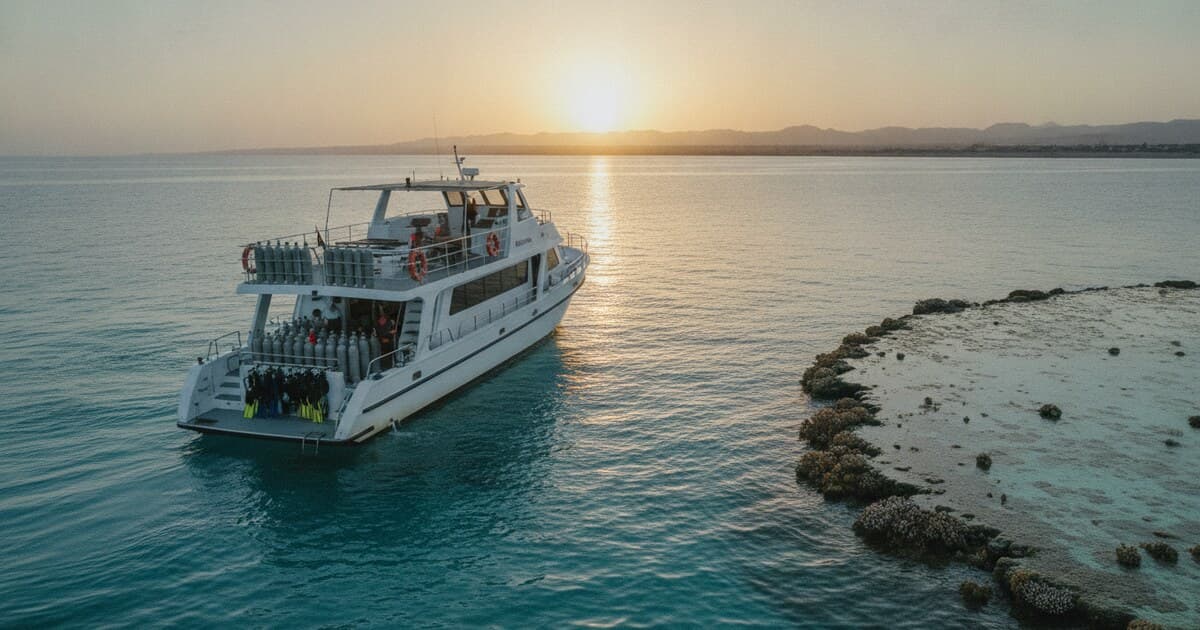
Compare dive offers by place, date and party size.
Plan your dive trip →Planning diving holidays in Egypt is mostly three decisions: which coast, liveaboard or land, and which month. Get those right and the Red Sea delivers more diving per euro than anywhere within five hours of Europe. This is the planning side of our Egypt diving guide: the money, the schedule and the logistics rather than the sites.
Liveaboard or land-based
Land-based means a hotel and a day boat: two dives a morning, back for lunch or mid-afternoon, evenings ashore. It suits first Red Sea trips, mixed groups where not everyone dives, and anyone who wants the town as well as the reef. Costs are lower and plans stay flexible.
Liveaboard means living on the boat for a week and diving three or four times a day, including night dives, and reaching sites the day boats physically cannot: the Brothers, Daedalus and Elphinstone in the south, or the northern wreck route past the Thistlegorm and Abu Nuhas. It is the better diving and the harder holiday: sea legs, small cabins, and a group you cannot escape for seven days.
The usual advice holds: land-based first, liveaboard once you know you want the dives more than the evenings.
What a week costs
| Component | Land-based week | Liveaboard week |
|---|---|---|
| Flights from Europe | €150-350 | €150-350 |
| Accommodation / boat | €200-450 hotel | included |
| Diving | €300-450 (10-12 dives) | included |
| Food and extras | €100-200 | mostly included |
| Rough total | €700-1,100 | €1,050-1,900 |
Extras worth budgeting: nitrox (cheap here and worth it on repetitive deep days), marine park fees, equipment rental if you travel light, and tips, which are a real part of the economy in Egyptian diving.
Picking the month
| Period | Water | Trade-off |
|---|---|---|
| Dec-Feb | 21-23°C | Cheapest, cool evenings, 5mm suit |
| Mar-May | 23-26°C | Best all-round conditions, moderate prices |
| Jun-Aug | 27-30°C | Warmest water, big schooling action, 40°C on land |
| Sep-Nov | 26-28°C | Warm water, thinner crowds, the connoisseur's pick |
If a specific liveaboard route matters to you (the Brothers open seasonally, and hammerhead chances at the offshore reefs cluster in early summer), book months ahead. Land-based weeks can be arranged far later.
The south: Marsa Alam, Hamata and the Deep South
Most first trips land in Hurghada or Sharm because the flights are cheapest and the infrastructure is thickest. The diving, though, gets better the further south you go.
Marsa Alam is the pivot point: its own airport, dugongs in the seagrass at Marsa Mubarak, dolphins at Samadai, and Elphinstone within day-boat range in settled weather. Hamata, further south again, is the departure point for the Fury Shoals and the St John's reefs — remote enough that most of the diving there happens from liveaboards, and healthy enough that experienced divers rate it above anything north of it.
The trade is honest: the southern reefs are the best in Egypt and the least convenient. Fewer flights, longer transfers, and the good sites usually mean a boat you sleep on.
Building the week
A pattern that works: arrive, dive ten to twelve times across five days, keep the biggest and deepest dives away from the end, and leave the final day dry. That last point is not padding.
The flight-home rule catches people out here more than anywhere, because most European departures from Hurghada and Sharm are morning flights. Divers Alert Network guidance asks for at least 18 hours after multiple days of diving before flying — with an 09:00 departure, that means your last dive ends by early afternoon two days before. Our flying after diving guide has the full numbers, including why the drive up to St Catherine's or the Sinai passes counts as altitude too.
Spend the dry day well: Luxor from Hurghada is a long but genuine day trip, and the Sinai desert from Dahab or Sharm is worth the early start.
Which base
Short version for planning a diving trip to Egypt: Hurghada for value and beginners, Sharm el Sheikh for the famous sites, Dahab for cheap shore diving and long stays, Marsa Alam and Hamata for the quiet south and the southern liveaboard departures. The site-by-site detail for each sits in our Egypt diving guide.
Booking
Egypt is on Diving Scanner's expansion map, and bookable offers start in Cyprus today. As Red Sea centres join, their day boats and courses appear in the same search — prices shown upfront, a small deposit online, and the balance paid directly to the centre.
Frequently asked questions
+How much does a diving holiday in Egypt cost?
A week land-based with ten dives commonly lands around €700-1,100 all in from Europe — flights, a modest hotel, and diving at €30-45 a dive. A week's liveaboard with all diving and full board typically runs €900-1,600 plus flights, and covers sites day boats cannot reach.
+Liveaboard or hotel for the Red Sea?
Liveaboards reach the offshore reefs and wrecks — the Brothers, Daedalus, Elphinstone, the northern wreck route — and pack in three to four dives a day. Land-based suits mixed groups, first Red Sea trips and anyone who wants land in the evening. Most divers do land-based first.
+How many dives should I plan in a week?
Ten to twelve on a land-based week is a comfortable, sociable pace with a dry day before flying. Liveaboards run 15-20 in the same period. More is possible; whether it is enjoyable depends on how you feel about four-dive days.
+When should I book a Red Sea diving holiday?
Spring and autumn are the best conditions and the best value. Summer is hottest with the strongest schooling action; winter is cheapest with 21-22°C water. Liveaboards for the famous offshore routes sell out months ahead in peak season, so book those early.
+Where is the best diving holiday in Egypt?
For a first trip, Hurghada or Sharm el Sheikh: most flights, most centres, easiest logistics. For the best diving, the south — Marsa Alam, Hamata and the Deep South reefs — or a liveaboard, which reaches the offshore sites no day boat can. Dahab is the budget and long-stay pick.
+What is diving in Hamata like?
Hamata sits at the southern end of Egypt's Red Sea coast, past Marsa Alam, and is the departure point for the Fury Shoals and St John's reefs. It is remote, quiet, and largely liveaboard territory — the reefs are among the healthiest in the country precisely because so few day boats reach them.
+When can I fly after diving in Egypt?
Allow at least 18 hours after multiple days of diving before your flight, per Divers Alert Network guidance. Since most European flights leave Hurghada and Sharm in the morning, that usually means your last dive finishes by early afternoon two days before departure.
Marcus covers the logistics around a dive trip: insurance, flights and surface intervals, packing, and the small print that catches people out.
Compare dive offers by place, date and party size.
Plan your dive trip →Planning the trip? Diving in Egypt →
Keep reading
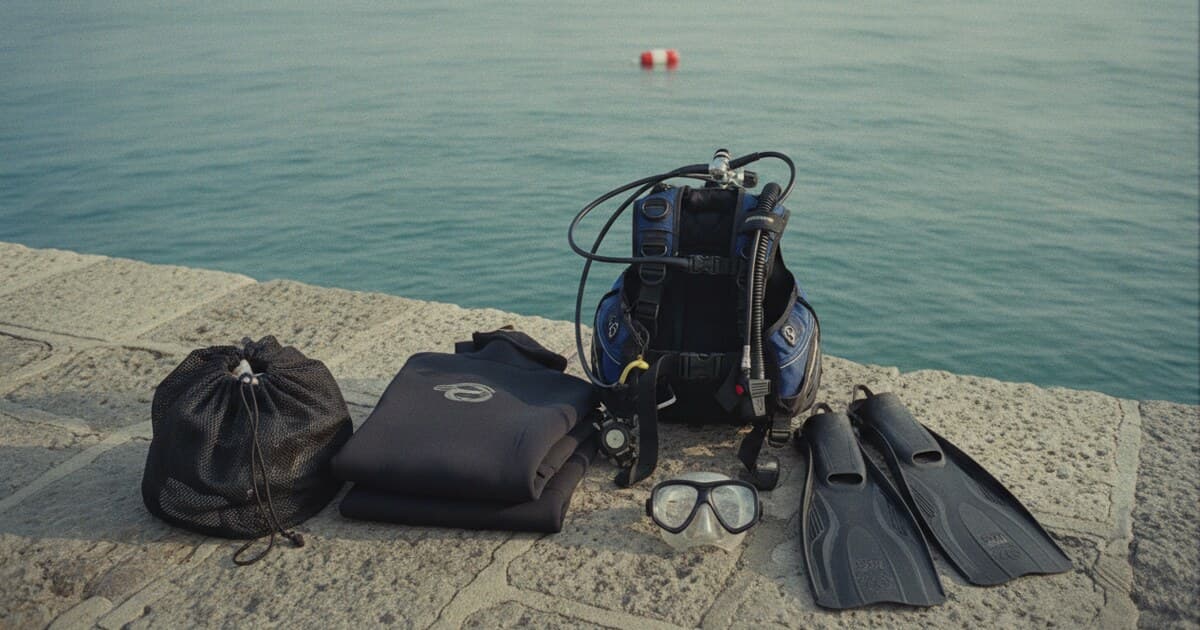
A scuba diving gear checklist for travelling divers: what the dive centre provides, what's worth bringing anyway, and the small items everyone forgets.
Flying after diving safely: the DAN minimum surface intervals, why the rule exists, how to plan the last diving day, and the mountain-road catch.
Plan your Great Barrier Reef dive trip: best sites, best season, realistic costs and how to choose between day trips and liveaboards.