Flying After Diving: How Long to Wait
Flying after diving safely: the DAN minimum surface intervals, why the rule exists, how to plan the last diving day, and the mountain-road catch.
Reviewed for accuracy by the Diving Scanner dive team, reviewed against a cited source before publication
Compare dive offers by place, date and party size.
Plan your dive trip →Flying after diving is the one piece of trip planning that regularly surprises people at exactly the wrong moment: the day before departure, when the last-morning dive they hoped for turns out to conflict with an afternoon flight. The waiting rules are simple; building the trip around them is the part worth doing properly.
This article follows the published guidance of the Divers Alert Network (DAN), the diver-safety organisation whose recommendations the training agencies teach. The short version is in the numbers below; the planning advice is ours.
The waiting times
- Single no-decompression dive: wait at least 12 hours before flying.
- Multiple dives per day, or multiple days of diving: at least 18 hours.
- Dives requiring decompression stops: substantially longer than 18 hours; conservative practice treats it as 24 or more.
These are minimums measured to the start of the flight, not the drive to the airport. Longer is always safer, and no guideline makes flying earlier safe.
Why the wait exists
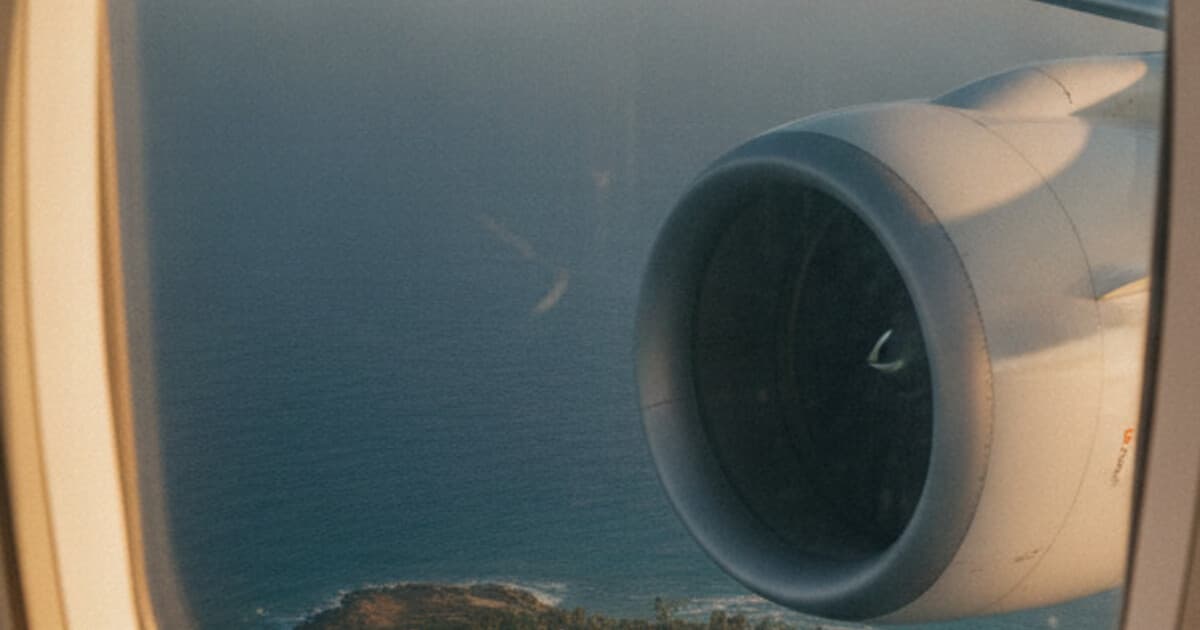
Every dive loads your tissues with extra nitrogen; the hours afterwards unload it through normal breathing. An airliner cabin is pressurised to roughly 2,400 metres of altitude, and moving to that lower pressure while still carrying elevated nitrogen accelerates the release. Too much, too fast, and bubbles can form in tissue and blood: decompression sickness, at 9,000 metres over the Mediterranean, hours from help. The wait lets the unloading finish at sea-level pressure, where it is benign.
The same numbers underpin the no-deco limits you dive to; our dive tables page shows that arithmetic if you want the detail behind the rule.
Planning a dive trip around it
The clean pattern for a one-week trip: dive hard early, taper late. Book your diving days at the start, keep the biggest dives (the deep ones load most nitrogen) away from the final days, and make the last full day a dry one. In Cyprus that day spends well: the Troodos villages, the archaeology at Paphos, or the beach you kept swimming past on the way to the boat.
Two catches worth knowing. Morning flights are stricter than they look — an 11:00 departure after a 16:00 dive the day before is a 19-hour gap only if nothing slips. And altitude by road counts: the Troodos passes climb past 1,700 metres, so the mountain drive belongs before your diving days, not between the last dive and the airport (the full Cyprus context is in our island guide).
Centres deal with this daily and will happily schedule your last dive against your flight time. Tell them the departure when you book, and the problem disappears into the calendar where it belongs.
Frequently asked questions
+How long should you wait to fly after diving?
Divers Alert Network guidance: at least 12 hours after a single no-decompression dive, at least 18 hours after multiple dives or multiple days of diving, and substantially longer than 18 hours after dives requiring decompression stops. Longer is always safer; most divers simply make the last day a dry day.
+Why can't you fly right after diving?
Your body carries extra dissolved nitrogen after a dive and releases it gradually. Cabin pressure at altitude is lower than at sea level, which speeds that release — enough, too soon, and bubbles can form, which is decompression sickness. The waiting period lets the nitrogen leave at ground pressure first.
+Does the rule apply to short or shallow dives?
Yes. A shallow dive loads less nitrogen but does not load none, and the 12-hour minimum for a single no-deco dive already assumes a conservative profile. Treat the interval as a floor, not a target to shave.
+What about driving into mountains after diving?
Same physics, same caution: significant altitude gain by road counts as altitude exposure. In Cyprus, the Troodos passes climb past 1,700 metres, so plan mountain excursions before your diving days or after your no-fly wait, not between dives and dinner.
Marcus covers the logistics around a dive trip: insurance, flights and surface intervals, packing, and the small print that catches people out.
Compare dive offers by place, date and party size.
Plan your dive trip →Keep reading
A scuba diving gear checklist for travelling divers: what the dive centre provides, what's worth bringing anyway, and the small items everyone forgets.
Planning diving holidays in Egypt: liveaboard or land-based, how many dives a week, what a full trip costs, the season to pick and the flight-home rule.
Plan your Great Barrier Reef dive trip: best sites, best season, realistic costs and how to choose between day trips and liveaboards.