Scuba Diving Gear Checklist: What to Bring, What's Provided
A scuba diving gear checklist for travelling divers: what the dive centre provides, what's worth bringing anyway, and the small items everyone forgets.
Compare dive offers by place, date and party size.
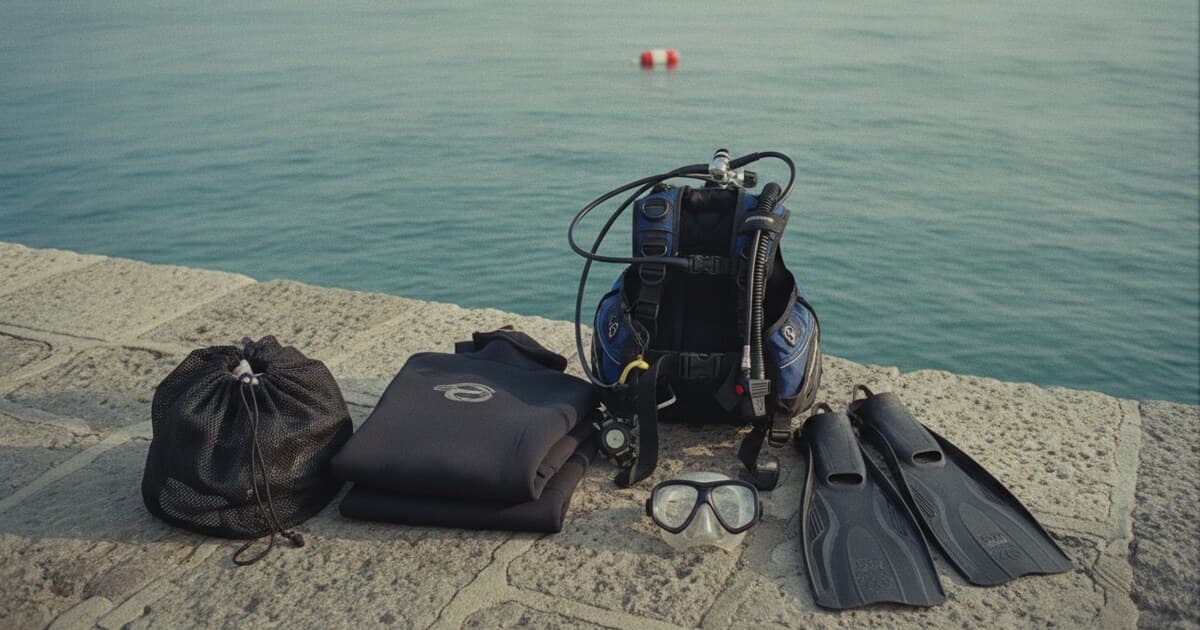
Plan your dive trip →Every scuba diving gear checklist ever printed has the same quiet flaw: it assumes you own the gear. Club divers do. Holiday divers — most of the people reading this — rent the heavy kit at the destination and carry a small bag of personal things, and the packing question is really two questions. What will the dive centre provide, and what's worth bringing anyway?
This checklist splits it exactly that way.
What the dive centre provides
Cylinders and weights, always and everywhere — no airline wants either, and no centre expects you to bring them. From there, most centres in holiday destinations rent complete kit: BCD, regulator with gauges, exposure suit, mask, fins, and usually a dive computer. Rental gear at a reviewed centre is serviced on a schedule, and the wetsuits match the local water, which your suitcase-packed suit might not.
What varies is pricing. Some offers include full equipment in the price, some list rental as an extra, and many discount divers who bring their own. On our search, each offer's equipment section spells out what's included before you commit — read it there rather than assuming, and the airport scale stays friendly.
The checklist
Documents — the things that stop a dive if forgotten:
- Certification card (physical or your agency's app)
- Dive insurance details, printed or saved offline
- Log book
- Flight times for your last diving day — the no-fly wait is real, and we've covered how to plan around it
Personal kit — bring if you own it:
- Mask (and a spare strap)
- Dive computer
- Wetsuit, boots and fins if you prefer your own and have the luggage space
- Surface marker buoy and torch, if the diving calls for them
The forgettables — cheap, small, and missed constantly:
- Reef-safe sunscreen
- Seasickness tablets for boat days
- Dry bag for the boat
- Ear-drying drops if you're prone to trouble
- Swimwear that works under a wetsuit, and a warm layer for the ride back
What's actually worth bringing
If you buy exactly one piece of kit in your diving life, buy a mask that fits your face. It's the piece where fit matters most, rental quality varies most, and a persistent leak ruins dives faster than any other equipment problem. Boots are a distant second for the same fit reason.
A dive computer is the other candidate once you dive more than a week a year — not because rentals are bad, but because your own carries your history and its settings don't surprise you underwater.
Everything else is a luggage decision, not a safety one. BCDs and regulators travel badly, rent well, and are precisely the items a centre maintains professionally.
Wetsuit thickness and the season
Warm-water packing lists fail people at the edges of the season. In the Mediterranean, high-summer water reaches 26 to 28 degrees and a 3mm suit is plenty; by November the same coast is down toward 18 and local divers are in 7mm or semi-dry suits. The Red Sea runs warmer year-round — one reason Egypt diving holidays fill the European winter — but even there, January mornings reward a thicker suit than the brochure photos suggest.
The practical rule: don't pack for the destination, pack for the month, and when in doubt ask the centre what they stock. They dive that water every day, and handing you the right suit is their problem to solve, not yours.
Kit sorted, the rest is picking the dive. Check your dates and depths, then find a centre with the right offer — the equipment list on each offer will tell you exactly how much of this checklist your bag can skip.
Frequently asked questions
+What scuba gear do I need as a beginner?
For your first dives and courses, none — reputable centres include the full kit: cylinder, weights, BCD, regulator, exposure suit, mask and fins. If you buy one thing early, make it a well-fitting mask. A leaky rental mask is the most common avoidable misery in diving, and a good one costs less than a single dive day.
+What does a dive centre provide?
Cylinders and weights, always — nobody flies with those. Beyond that, most holiday-destination centres rent complete kit: BCD, regulator with gauges, wetsuit, mask, fins and usually a dive computer. What's included versus charged separately varies by offer, so check the equipment list on the offer before you book rather than assuming.
+What should I pack for a diving holiday?
Documents first: certification card, insurance details and your logbook. Then personal kit you own — at minimum a mask, plus a computer if you have one. Then the forgettables: reef-safe sunscreen, seasickness tablets, a dry bag, spare mask strap, and a copy of your flight times so the centre can plan your last diving day.
+What wetsuit thickness do I need for the Mediterranean?
It moves with the season. High summer water sits around 26 to 28 degrees and a 3mm suit (even a shorty) is comfortable; spring and autumn call for 5mm; winter drops to 16 to 18 degrees and local divers switch to 7mm or semi-dry. Centres stock what the local season needs, so ask what they'll give you before packing your own.
Marcus covers the logistics around a dive trip: insurance, flights and surface intervals, packing, and the small print that catches people out.
Compare dive offers by place, date and party size.
Plan your dive trip →Keep reading
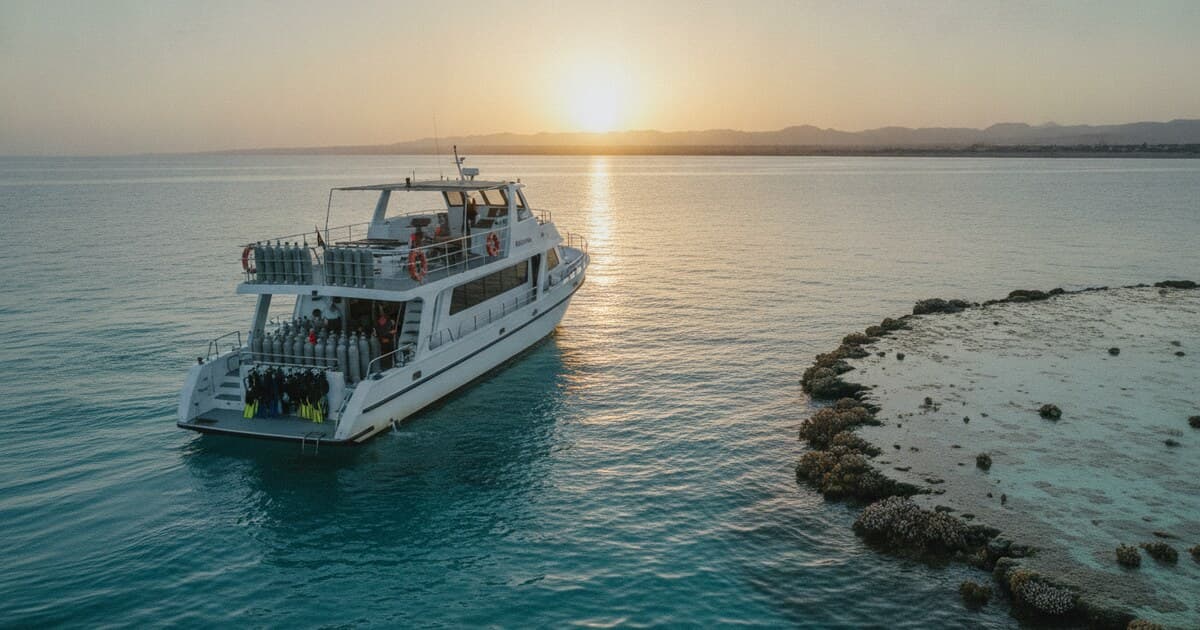
Planning diving holidays in Egypt: liveaboard or land-based, how many dives a week, what a full trip costs, the season to pick and the flight-home rule.

Flying after diving safely: the DAN minimum surface intervals, why the rule exists, how to plan the last diving day, and the mountain-road catch.
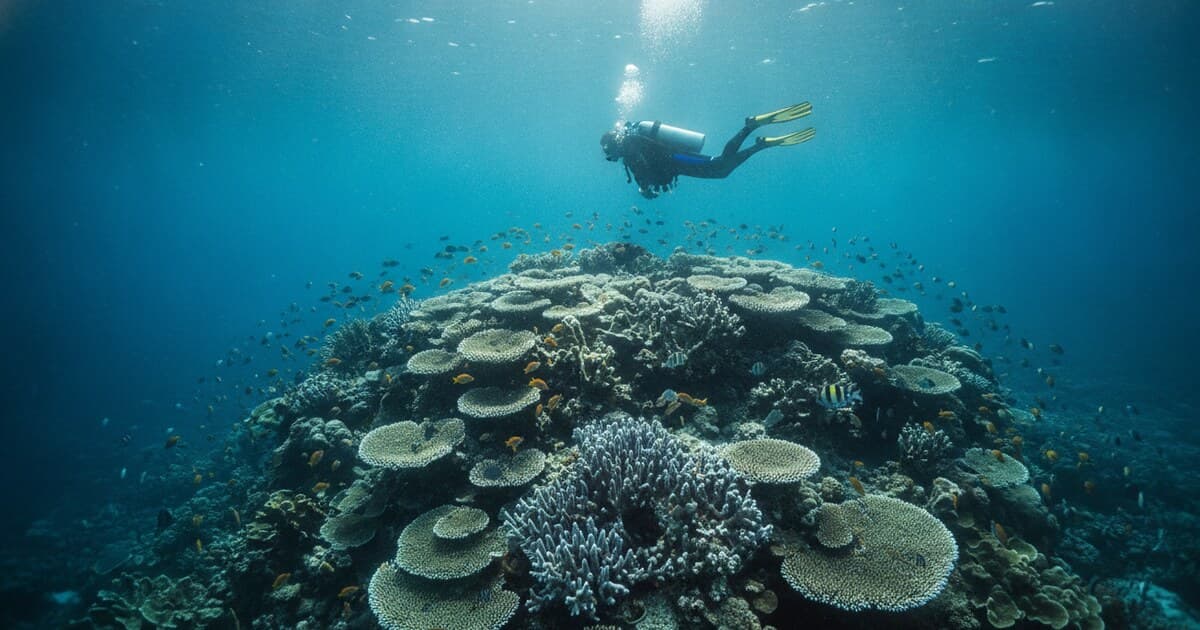
Plan your Great Barrier Reef dive trip: best sites, best season, realistic costs and how to choose between day trips and liveaboards.