Scuba Diving in Cyprus: Sites, Seasons and Costs
Where to go scuba diving in Cyprus, when the water is warm enough to enjoy it, what a dive costs, and how the Zenobia earned its reputation.
See live offers from local dive centres — pick a date and compare.
Scan for dives →Scuba diving in Cyprus runs on three things: warm water for half the year, rock formations that make shore diving genuinely interesting, and one wreck that divers fly across Europe to see. Add flight times of four to five hours from most UK and northern European airports and you get a dive destination that works for a long weekend, not just a dedicated dive holiday.
This guide covers where to dive, when the water is worth it, what you will pay, and how to sort the booking without emailing six dive centres for prices.
What diving in Cyprus is like
The eastern Mediterranean has no coral reef, and it is honest to say so upfront. What Cyprus has instead is limestone: caves, arches, swim-throughs and walls, all in water where 20 to 30 metres of visibility is a normal day, not a lucky one. There are no meaningful tides and little current at most sites, which is why so many European instructors teach here.
The marine life suits the terrain. Expect loggerhead and green turtles at the grassy shore sites, groupers and moray eels in the rock, octopus if you look slowly, and barracuda hanging mid-water over the wrecks. It is spotting-scale life rather than schooling-fish walls, and macro photographers do well here.
Water temperature does the real scheduling. The sea bottoms out at 16-17°C in February and peaks at 27-28°C in August. From May to November you can dive in a 3mm suit and feel spoiled; in winter the diving continues but a 7mm suit or a drysuit stops being optional.
The dive sites worth planning around
Cyprus has around 80 recorded dive sites. These are the ones that decide trips.
The Zenobia
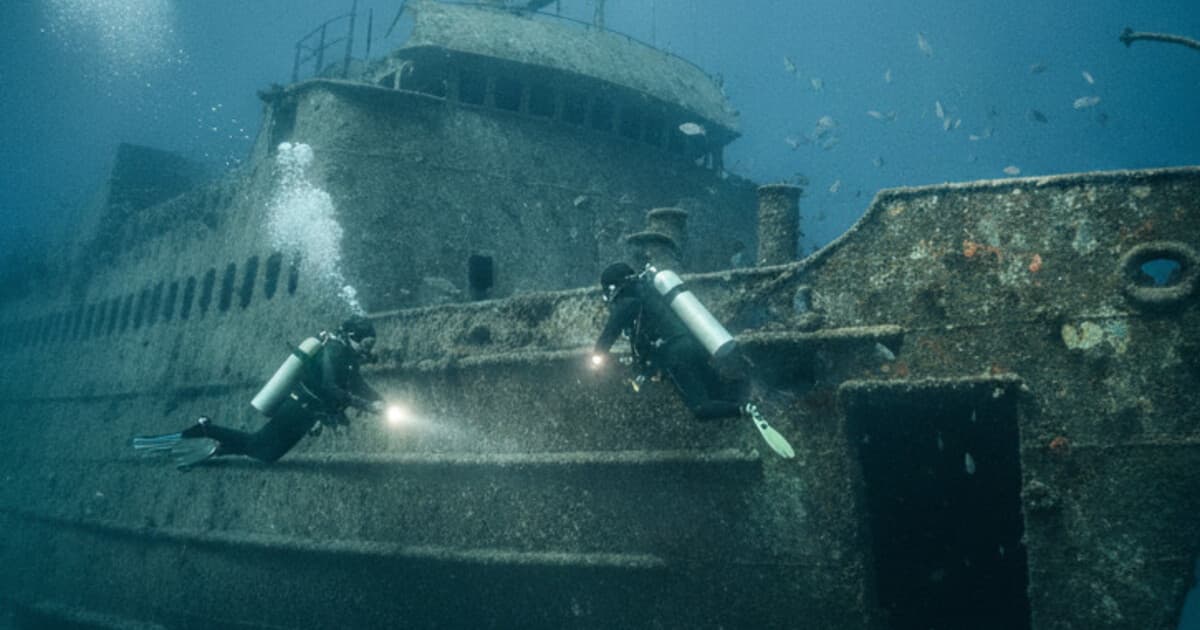
The Zenobia is the reason Cyprus is on wreck divers' lists. A 172-metre Swedish ferry that sank on her maiden voyage in 1980, she lies on her port side in Larnaca Bay with trucks still chained to the cargo decks. The upper structure starts around 16 metres and the seabed sits at 42, so the wreck scales: Open Water divers tour the shallower superstructure with a guide, Advanced divers work the cargo holds and swim-throughs across repeat visits. Most centres run her as a two-dive boat trip, and one trip is rarely enough to feel finished with her.
MUSAN
MUSAN, the underwater sculpture museum off Ayia Napa, opened in 2021: over 90 works planted on sand at snorkel-to-ten-metre depths, slowly turning into an artificial reef. As a second dive of the day or a non-diver's snorkel stop it earns its ticket, and the shallow depth means long, relaxed bottom times.
Green Bay
Green Bay is where Cyprus diving starts for most people. A protected, sandy-bottomed bay sloping from 2 to 10 metres with a rock shelf full of life, it hosts a steady rotation of try-dives and course sessions. Certified divers use it for easy second dives and night dives; the resident fish are so used to people that they arrive before you do.
Cavo Greko and the Paphos coast
The Cavo Greko caves sit inside a marine park at the island's southeast tip: arches, tunnels and light beams that reward a torch and a slow pace. On the opposite coast, Paphos sites like the Amphitheatre offer sponge-covered rock bowls and the occasional ray on the sand. The full list, with depths and access notes, is on our dive sites page.
When to go
| Month | Sea temp | What it means |
|---|---|---|
| Dec-Mar | 16-18°C | Diving continues; 7mm or drysuit territory |
| Apr-May | 18-21°C | Season opens; sites quiet, 5mm comfortable |
| Jun-Sep | 24-28°C | Peak season; 3mm or shorty, book ahead |
| Oct-Nov | 21-25°C | Warm water holds, crowds thin out |
Visibility stays good year-round. If you want warm water without August boat-traffic, late September and October are the honest sweet spot.
What it costs
Working from centre price lists across the island, the usual ranges:
- Guided shore dive: €40-60, less per dive in multi-dive packs
- Zenobia two-dive boat trip: €90-130 including tanks and weights
- Try dive for beginners: €60-90
- Open Water course: €350-450 over three to four days
- Equipment rental: often included; check before comparing prices
Larnaca and the southeast tend to price the Zenobia trips; Paphos leans cheaper for shore diving. The spread between centres for the same dive can reach €30-40, which is worth five minutes of comparison before you commit.
Getting certified in Cyprus
The island is one of the easier places in Europe to learn. Schools teach PADI, SSI and BSAC curricula in calm, warm, clear water, and an Open Water course fits inside a week's holiday with days to spare. The maths favours it too: a course in Cyprus often costs less than the same certification at home, and your first post-qualification dives are on sites like Green Bay instead of a quarry lake.
If you already dive and it has been a while, refresher sessions are cheap and run on demand at the shore sites. For planning nitrox dives on the Zenobia's deeper lines, our dive tables reference covers equivalent air depth and maximum operating depth.
Booking dives without the email chain
The traditional way to book diving in Cyprus is emailing centres one by one and assembling the answers into a spreadsheet. Diving Scanner exists to skip that step: search once with your dates, location and group size, and compare what every listed centre offers for that day, with prices shown upfront. You pay a small deposit online and settle the balance at the centre.
Two things about the listings worth knowing. Centres are reviewed by us before their offers go live, and reviews can only be written by divers who completed a booking, so a rating reflects people who actually dived there.
One practical footnote: the help page covers booking mechanics, and the insurance guide explains what dive-specific cover adds over a standard travel policy.
Frequently asked questions
+Is Cyprus good for beginner divers?
Yes, and it is one of the island's real strengths. Shore sites like Green Bay slope gently from 2 to 10 metres with easy entries, no meaningful current, and water that stays above 20°C from May to November. Most centres run first-time dives there daily in season.
+Do you need to be an advanced diver for the Zenobia?
For the full wreck, yes. The upper structure starts around 16 metres, which an Open Water diver can visit with a guide, but the seabed sits at 42 metres and the cargo decks reward an Advanced certification with deep and wreck experience. Centres run both versions as separate trips.
+When is the best time to dive in Cyprus?
May to November is the comfortable window. The sea peaks around 27-28°C in August and holds above 22°C into November. Diving continues all winter, but February water is 16-17°C, which means a thick wetsuit or a drysuit and shorter dives.
+How much does scuba diving in Cyprus cost?
As a rough guide from centre price lists: a guided shore dive runs around €40-60, a two-dive Zenobia boat trip €90-130 with equipment, a first-time experience €60-90, and an Open Water course €350-450. Prices vary by town and season, which is exactly why comparing centres side by side pays off.
+Can you dive in Cyprus without a certification?
Yes. Try-dive programmes put you underwater with an instructor after a briefing and shallow practice, no certification required. You are limited in depth and always accompanied, and it converts into the first dive of an Open Water course at many centres if you decide to continue.
Elena covers dive destinations around the Mediterranean — where to go, when the water is worth it, and what a week of diving actually costs.
See live offers from local dive centres — pick a date and compare.
Scan for dives →Planning the trip? Diving in Cyprus →
Keep reading
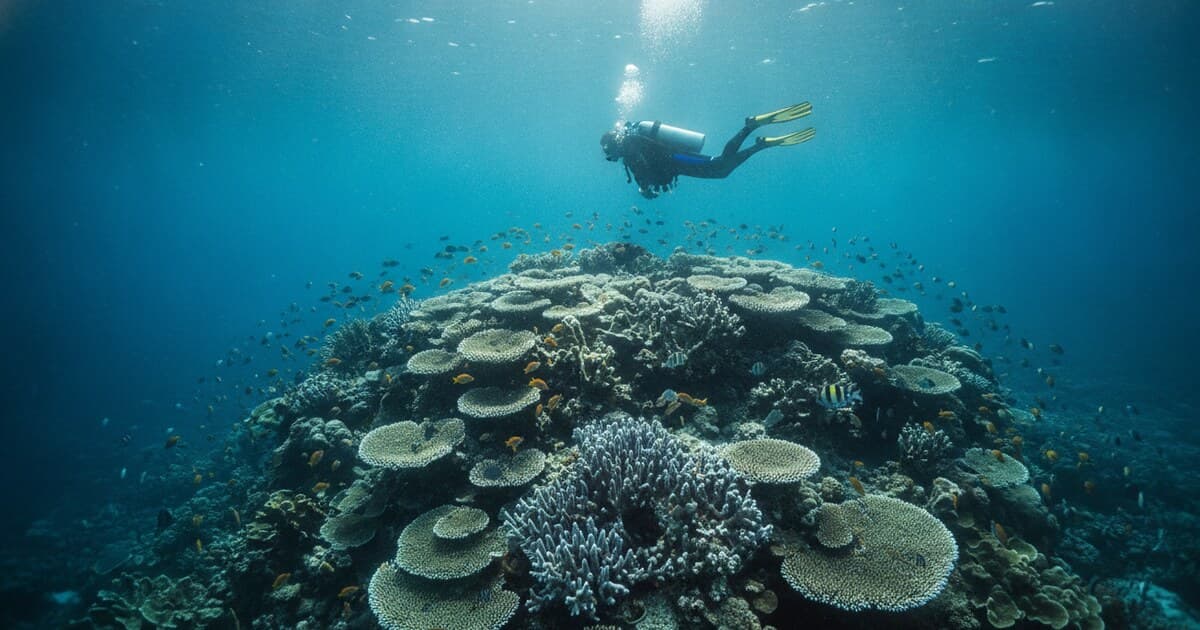
Plan your Great Barrier Reef dive trip: best sites, best season, realistic costs and how to choose between day trips and liveaboards.
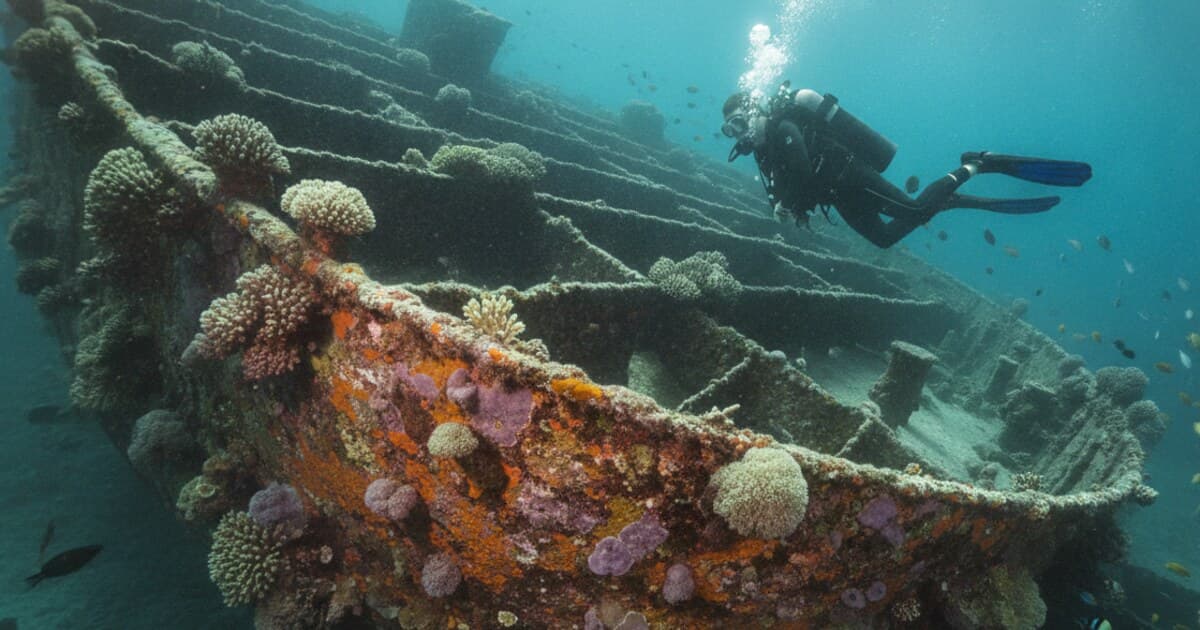
A practical guide to diving in Bali: the best sites from Tulamben to Nusa Penida, seasonal timing, realistic costs and how to find a dive centre.
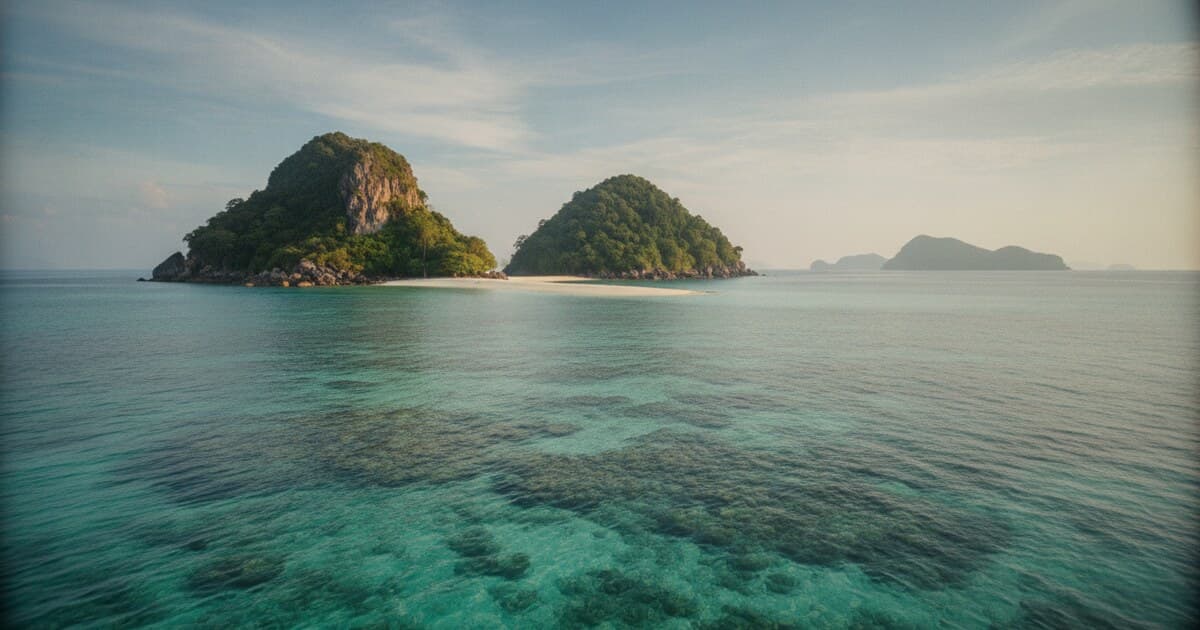
Koh Tao diving: 25+ sites, PADI Open Water from $290, and warm water year-round. This guide covers the best sites, seasons, and real costs.