Diving in Indonesia: Regions, Seasons and Costs
Plan your Indonesia dive trip: best regions from Raja Ampat to Lembeh, when to go, what certification you need, and what it costs.
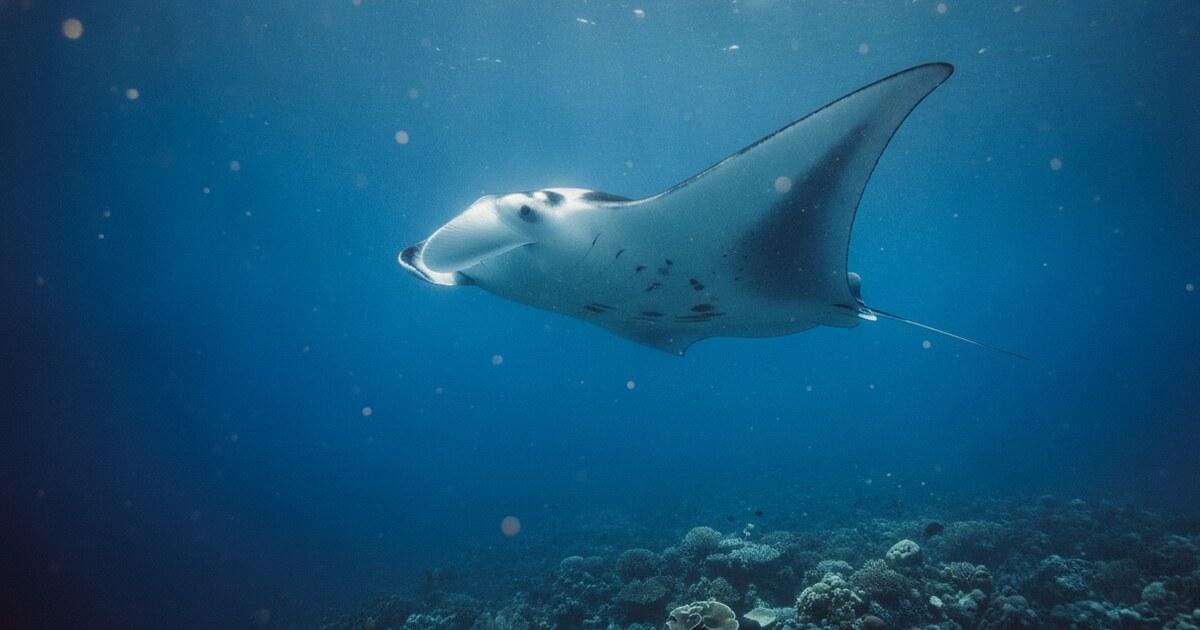
See live offers from local dive centres — pick a date and compare.
Scan for dives →Indonesia holds more marine species than any other country on Earth. Its 17,508 islands sit at the heart of the Coral Triangle, and the waters around them shelter around 25% of the world's known fish species and roughly 75% of all known coral. For divers, that translates to genuinely different experiences within a single country: shallow reef gardens, oceanic walls with 40-meter visibility, rare macro critters in black sand, strong-current pelagic aggregations, and world-famous wrecks accessible from shore.
This guide covers the six main regions divers visit, what skill level each requires, the best times to go, and what it costs across different budgets.
Diving in Indonesia covers six main regions. Raja Ampat holds the highest marine biodiversity on Earth, Komodo delivers manta rays and strong-current pelagics, Bali offers accessible reef and wreck diving year-round, Bunaken stacks fish life on vertical walls, Lembeh is the world's best macro destination, and the Banda Sea offers 40-meter visibility in remote blue water. The best time to visit depends on which region you choose.
Ready to find a dive centre for your Indonesia trip? Browse verified operators at Diving Scanner to compare offers and check availability.
Where to Dive in Indonesia
Indonesia sits at the center of the Coral Triangle, the richest marine ecosystem on Earth. The country's 17,508 islands shelter around 25% of the world's known fish species and roughly 75% of all known coral species. Within that larger picture, the six main diving regions each occupy a different ecological niche. Raja Ampat's marine park in West Papua holds the highest measured biodiversity of any dive site: 553 coral and 1,427 fish species. Komodo National Park, fed by Indian Ocean upwellings, draws manta rays and hammerheads to current-swept channels. Bali's USAT Liberty wreck, sunk in 1942 and accessible from 5 meters, anchors the northeast coast. Bunaken's vertical walls off North Sulawesi drop from 2 to 40-plus meters and stack some of the highest fish density in the region. Water temperatures range from 26 to 29°C across most areas, dropping to 18 to 22°C during Komodo's thermocline upwellings. Visibility runs from 15 to 25 meters at Lembeh's muck sites to 40-plus in the Banda Sea.
Raja Ampat is a liveaboard or resort destination. The main hub is Sorong, with day trips running to sites at Misool, Wayag, and the Dampier Strait. Currents can be strong, but most sites have calm patches at any tidal state. See our full Raja Ampat diving guide for site detail and costs.
Komodo National Park sits between Flores and Sumbawa in the Lesser Sundas. Land-based day boats from Labuan Bajo reach Batu Bolong, Crystal Rock, and Manta Alley. The cold upwellings that make diving here so productive also drop the water to 18°C without warning, so a 7mm wetsuit is worth packing.
Bali and Nusa Penida cover two distinct diving characters. The northeast coast (Amed, Tulamben, Pemuteran) is accessible, calm, and home to the Liberty wreck. Nusa Penida, a ferry ride southeast, has stronger currents, bigger animals, and a mola mola season from July to October. The Bali diving guide has site-by-site detail.
Bunaken National Park, off the northern tip of Sulawesi, is known for vertical walls covered in coral and dense fish life. It's quieter than Bali and less expensive than Raja Ampat, which makes it a good mid-trip stop for divers combining regions.
Lembeh Strait is 2 to 3 hours from Manado (the nearest airport to Bunaken). The diving is shallow (mostly 5 to 20 meters) and the reward depends entirely on spotting skill: mimic octopus, flamboyant cuttlefish, hairy frogfish, and ghostpipefish are all resident here.
Banda Sea crossings run from Ambon from September to early November. It's entirely liveaboard, remote, and genuinely blue-water. Visibility regularly exceeds 40 meters.
Which Region Fits Your Experience Level
The gap between Indonesia's easiest and hardest diving is wider than in most destinations. Picking the wrong region for your certification level doesn't just limit what you can see; some of Komodo's current-swept sites are genuinely dangerous for underprepared divers.
Open Water divers have the most options in Bali. Tulamben's Liberty wreck starts at 5 meters, and the reef around it runs to 29 meters. Amed, Pemuteran, and Menjangan Island all offer calm conditions with visibility of 25 to 35 meters. The Gili Islands in Lombok are another beginner-friendly base, with sandy bottoms, manageable currents, and consistent 20 to 30-meter visibility. The Gilis also have one of the cheapest Open Water certification courses in Indonesia, at around USD 340.
Advanced Open Water divers can access Komodo's headline sites and most of Bunaken and Raja Ampat. Batu Bolong and Crystal Rock in Komodo carry strong currents that require solid buoyancy control, but the dives are structured as negative entries with pick-up boats. With 20 to 30 logged dives, they're manageable.
Experienced divers (40-plus logged dives, comfortable in current) unlock the full range: deep walls in Raja Ampat, thermocline crossings in Komodo, and liveaboard trips across the Banda Sea. Most Banda Sea operators ask to see a dive log before departure.
Lembeh is an outlier: the diving is physically straightforward (shallow, calm, no current) but demanding in a different way. Good buoyancy and sharp eyes are what separates a 10-critter dive from a 40-critter one. Divers at any level who want something completely different from reef and wall diving should put it on the list.
Best Time to Dive in Indonesia
Indonesia is a year-round destination, but each region has a sweet spot. If you're combining regions on a single trip, October to November is the window where the most overlap exists: it catches the tail of Komodo's dry season and the opening of Raja Ampat's best period.
Raja Ampat: October to April gives the calmest seas and clearest visibility. Manta rays concentrate around cleaning stations from December to March. The May to September monsoon can close some exposed sites, though many sheltered areas stay diveable.
Komodo: April to November is the dry season and the busiest period. December to March brings rougher surface conditions, but Manta Alley often stays accessible. Water temperatures drop to 18 to 22°C year-round when the upwelling kicks in.
Bali: Diving is possible every month. The dry season (May to October) gives cleaner visibility off Nusa Penida. Mola mola arrive from July and peak in August and September. The Liberty wreck is accessible year-round.
Bunaken: April to October is peak season, with the clearest water and calmest surface conditions. November to March sees higher rainfall and reduced visibility.
Banda Sea: The window is narrow. September to early November is the only reliable time for liveaboard crossings from Ambon.
How Much Does Diving in Indonesia Cost
Costs vary more in Indonesia than in most dive destinations. Bali is the entry point for budget-conscious divers; Raja Ampat on a liveaboard is expensive by any standard.
Day diving (2 to 3 dives from a day boat):
- Bali: USD 50 to 80 for 2 dives, all gear included
- Komodo: USD 100 to 200 for 3 dives from Labuan Bajo
- Raja Ampat: USD 150 to 300 for a 3-dive day trip from Sorong or Waisai
Liveaboard diving:
- Budget boats: USD 150 to 300 per night
- Mid-range: USD 300 to 600 per night
- Premium: USD 600-plus per night
A 7-night Komodo trip starts at around USD 3,250 (roughly 20 dives, USD 163 per dive). A 7-night Raja Ampat loop starts at around USD 3,650 (roughly 19 dives, USD 192 per dive). Park fees are added separately: Komodo charges approximately USD 15.50 per diving day; Raja Ampat's marine park entry fee runs around USD 200 per person, usually bundled into liveaboard or resort packages.
Certification courses:
- Open Water Diver (3 to 4 days): USD 340 to 480 depending on location
- Discover Scuba Diving (try dive, 1 day): USD 110 to 150
Bali consistently comes out as the cheapest entry point, which is why most first-time visitors to Indonesia start there before moving to other regions.
Planning Your Indonesia Dive Trip
Indonesia doesn't have a single centralized booking system the way a small destination like Bonaire does. Most divers book through individual dive centres, liveaboard operators, or dive-focused travel agents.
For land-based diving in Bali, local centres in Amed and Tulamben can often be booked on arrival, though peak-season slots fill up fast. For Komodo and Raja Ampat, booking 3 to 6 months ahead is standard for liveaboard berths.
A practical approach: decide your region first, then your format (land-based or liveaboard), then your season. Most good operators quote all-in prices that cover the boat, guide, equipment rental, and weights.
Diving Scanner makes it straightforward to compare certified dive centres and confirm real availability. Search by destination at divingscanner.net to compare operators and check what slots are open for your dates.
Frequently Asked Questions
Is Indonesia good for beginner divers?
Yes, particularly Bali. Tulamben's Liberty wreck starts at 5 meters, Menjangan Island has visibility of 25 to 35 meters with minimal current, and the Gili Islands offer turtle encounters at beginner depths. Open Water certification gives you access to the majority of Bali's sites. Komodo and Raja Ampat are achievable with 20 to 30 logged dives and Advanced Open Water.
What's the best time to visit Indonesia for diving?
It depends on your destination. Raja Ampat is best from October to April, Komodo from April to November, and Bali works year-round (mola mola season July to October). The Banda Sea is only accessible from September to early November. For combining regions, October to November overlaps with the tail of Komodo season and the start of Raja Ampat's best period.
How much does it cost to dive in Indonesia?
Day diving in Bali costs USD 50 to 80 for 2 dives. Komodo day trips run USD 100 to 200. Liveaboards across Indonesia range from USD 150 to 600-plus per night. A 7-night Komodo trip starts around USD 3,250; a 7-night Raja Ampat loop starts around USD 3,650. Open Water certification costs USD 340 to 480 depending on location.
Do I need advanced certification for Komodo or Raja Ampat?
Advanced Open Water plus 20 to 30 logged dives is the practical minimum for Komodo's current-driven sites like Batu Bolong and Crystal Rock. Most Raja Ampat operators have similar recommendations, though the range of conditions is wider: sheltered bay dives don't require the same skills as the Dampier Strait in a running current. Check with your operator directly; they'll tell you honestly whether your log matches the sites they're running.
Bali is the easiest place to start, Komodo is the most dramatic, and Raja Ampat is the most biodiverse. All three are reachable on a 2-week trip if the logistics work. Use Diving Scanner to search verified dive centres, compare offers, and confirm availability before you book.
Frequently asked questions
+Is Indonesia good for beginner divers?
Yes, particularly Bali. Tulamben's Liberty wreck starts at 5 meters, Menjangan Island has visibility of 25 to 35 meters with minimal current, and the Gili Islands offer turtle encounters at beginner depths. Open Water certification gives you access to the majority of Bali's sites. Komodo and Raja Ampat are achievable with 20 to 30 logged dives and Advanced Open Water.
+What's the best time to visit Indonesia for diving?
It depends on your destination. Raja Ampat is best from October to April, Komodo from April to November, and Bali works year-round (mola mola season July to October). The Banda Sea is only accessible from September to early November. For combining regions, October to November overlaps with the tail of Komodo season and the start of Raja Ampat's best period.
+How much does it cost to dive in Indonesia?
Day diving in Bali costs USD 50 to 80 for 2 dives. Komodo day trips run USD 100 to 200. Liveaboards across Indonesia range from USD 150 to 600-plus per night. A 7-night Komodo trip starts around USD 3,250; a 7-night Raja Ampat loop starts around USD 3,650. Open Water certification costs USD 340 to 480 depending on location.
+Do I need advanced certification for Komodo or Raja Ampat?
Advanced Open Water plus 20 to 30 logged dives is the practical minimum for Komodo's current-driven sites like Batu Bolong and Crystal Rock. Most Raja Ampat operators have similar recommendations, though the range of conditions is wider: sheltered bay dives don't require the same skills as the Dampier Strait in a running current. Check with your operator directly; they'll tell you honestly whether your log matches the sites they're running.
Elena covers dive destinations around the Mediterranean — where to go, when the water is worth it, and what a week of diving actually costs.
See live offers from local dive centres — pick a date and compare.
Scan for dives →Planning the trip? Diving in Indonesia →
Keep reading
Your guide to diving in Australia: the Great Barrier Reef, Ningaloo Reef, SS Yongala wreck, with seasons, costs and cert levels for each.
Plan your dive trip to Vietnam. Con Dao, Nha Trang, Phu Quoc and the Cham Islands compared by site, season, depth and cost.
Plan your Sipadan dive trip: how the 120-permit system works, top dive sites with depths and cert requirements, best season and what packages cost.