Diving in Raja Ampat: Sites, Season and Costs
Plan your Raja Ampat dive trip: best sites, season, costs and the liveaboard vs resort question answered with current prices and certification requirements.
See live offers from local dive centres — pick a date and compare.
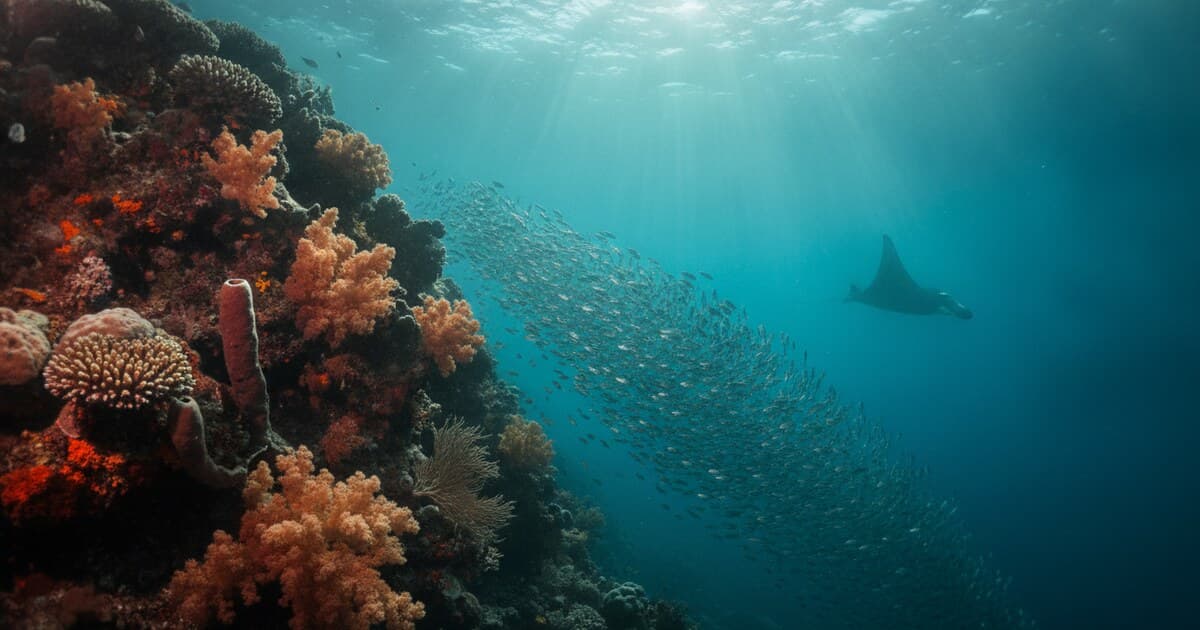
Scan for dives →Raja Ampat sits at the northern tip of West Papua, Indonesia, at the centre of the Coral Triangle. Divers talk about it for years before booking the flights, and the consensus after arriving is consistent: the reality matches the reputation. Diving Raja Ampat means swimming through water that holds more marine species than anywhere else on Earth, from feeding manta rays at dedicated cleaning stations to pygmy seahorses clinging to sea fans and walking sharks shuffling across the reef on their pectoral fins.
Raja Ampat's diving ranks among the richest in the world for marine biodiversity: the archipelago holds over 1,500 fish species and roughly 75% of all known coral species. The best season runs October to April. Most resort diving operates from Kri, Mansuar and Waigeo islands via day boat; liveaboards unlock remoter areas like Misool and Wayag.
What Makes Raja Ampat Diving Different
Raja Ampat is an archipelago of over 1,500 islands in West Papua, Indonesia. Scientists have documented more than 1,511 fish species and 699 coral species here, representing roughly 75% of all coral species known on Earth. The four main islands, Waigeo, Batanta, Salawati and Misool, enclose a network of reefs, seamounts and channels spread across around 46,000 square kilometres of ocean. Water temperatures sit between 27°C and 30°C year-round. Visibility averages 15 to 25 metres on open reef systems and can exceed 30 metres in the Dampier Strait during peak season. A mandatory marine park fee of 1,700,000 IDR (roughly US$100 at 2026 rates) applies to all foreign visitors; the permit covers your entire stay and channels funding directly into local conservation and ranger patrols. The area holds at least 5 documented species of pygmy seahorse, 7 of the world's 8 species of giant clam, and endemic epaulette sharks (walking sharks) found in meaningful numbers nowhere else.
What separates Raja Ampat from the Maldives or the Coral Sea is the density. The fish biomass on these reefs is genuinely unusual. Currents pull nutrients through the channels constantly, which keeps the food chain stacked and the predators active. You're not ticking a box on a bucket list; you're diving into one of the few places on Earth where the ecology is genuinely intact.
Best Dive Sites in Raja Ampat
Cape Kri holds the world record for the most fish species counted in a single dive: 374 species documented in one survey. It's a hard current dive on most tides. Position yourself on the tip of the headland, hold against the flow, and you'll see stacked schools of sweetlips, barracuda, trevallies and batfish. Max depth around 18 metres; minimum recommendation is Advanced Open Water.
Blue Magic and Sardine Reef sit in the Dampier Strait and both reward timing over location. When the tide runs right, a baitball forms from thousands of glassfish worked from below by trevallies and jacks. These are current dives; plan them around the tide tables. Depths run 5 to 30 metres.
Manta Sandy and Manta Ridge are cleaning station dives. You fin in, descend to 12 to 18 metres, settle on the sand or a reef ledge, and wait. Manta rays use these stations to remove parasites. January to March is peak season, with multiple mantas on most dives; sightings of 10 or more are documented regularly during this window.
Melissa's Garden near the Fam Islands is the calmer option. Dense staghorn coral colonies, giant table corals and a sandy bottom with good macro. Max depth 15 metres, Open Water-suitable, and genuinely spectacular enough that nothing is compromised by the easy entry.
Boo Windows in Misool is the postcard: a natural arch through limestone karst with a wall of coral on one side and open blue on the other. Only accessible by liveaboard, 4 to 5 hours south of Sorong. Depths of 5 to 30 metres, current-dependent.
Arborek Jetty sits directly under the village pier on Arborek Island. Shore entry, max 15 metres, and it delivers wobbegong sharks resting on the bottom, banded sea kraits and a thick carpet of nudibranchs. The easiest full-quality dive in the region.
When to Dive Raja Ampat
October to April is peak season. The dry season brings calmer seas, steadier visibility and gentler currents through the Dampier Strait. January to March is the best window for manta rays at Manta Sandy and Manta Ridge, when the cleaning station traffic peaks.
June through August brings the Southeast trades. Visibility drops at some sites, and liveaboard routes through Wayag and the northern areas become rougher. These months still offer excellent diving for experienced divers who want smaller crowds and lower prices; July and August add a chance of whale shark encounters in the southern areas around Misool.
May and September are shoulder months: quieter than peak, generally good conditions, with some of the best value on both accommodation and liveaboard berths.
Getting to Raja Ampat: Sorong, the Ferry and Your Base
The gateway is Sorong (SOQ) in West Papua, with connections through Jakarta (Soekarno-Hatta, CGK) or Makassar (Sultan Hasanuddin, UPG). Garuda Indonesia, Lion Air and Batik Air cover the domestic routes; most international travellers have one connection.
From Sorong, the public express ferry to Waisai on Waigeo Island takes around 2 hours and costs 150,000 to 250,000 IDR one-way (about $9 to $15). Most resorts arrange a speedboat transfer from Sorong Harbour for guests coming directly to the outer islands, which cuts the journey to 45 to 90 minutes depending on destination.
Pay the marine park fee at the fee post in Waisai when you arrive on the ferry. Keep your receipt; rangers on patrol boats check it at dive sites. Liveaboard operators handle the permit as part of the package.
Liveaboard or Resort Diving?
A shore-based resort on Kri, Mansuar or Arborek can reach Cape Kri, Blue Magic, Manta Sandy and Manta Ridge by day boat in 20 to 45 minutes. Most of the celebrated sites in the Dampier Strait are within range without overnight travel. A good resort week will cover 15 to 20 dives across a solid selection of top sites.
A liveaboard makes sense if Misool, Wayag or Kawe are on your list. These areas are genuinely inaccessible from a shore base without a multi-day transfer. A 7 to 10-night liveaboard covers 25 to 35 dives across multiple regions and reaches sites that no resort can offer as day trips.
Most resorts require Open Water certification with at least 20 logged dives. Several current-heavy sites including Cape Kri and Blue Magic are effectively Advanced Open Water dives, and liveaboards typically list Advanced Open Water plus 40 dives as their minimum. If you're still building your experience and haven't dived in varied conditions before, working through your scuba diving certification and logging dives in calmer destinations first will make Raja Ampat significantly more rewarding when you arrive.
Raja Ampat is also one of those destinations where the long surface interval before your departure flight matters. Review the flying after diving rules when you plan your final day: the standard 18-hour minimum means your last dive should land at least a day before you fly home.
How Much Does Diving in Raja Ampat Cost?
Budget $200 to $400 per day for a resort-based trip, which includes accommodation, meals, 2 to 3 boat dives and equipment rental. Budget eco-lodges on Kri Island sit toward the lower end; established mid-range resorts run $250 to $350; premium resorts with newer boats climb higher.
Liveaboards range from around $2,000 for a 7-night basic trip to $6,000 and above for premium vessels with 12 to 16 guests, dedicated camera rinse tanks and current-routing flexibility.
On top of accommodation: marine park fee ($100), international and domestic flights (variable), and travel insurance that covers diving. Equipment rental if you need a computer or BCD runs $10 to $20 per day at most operations.
Frequently Asked Questions
Is diving in Raja Ampat difficult?
It depends on the site. Cape Kri and Blue Magic run strong currents and suit Advanced Open Water divers with solid buoyancy control. Arborek Jetty and Melissa's Garden are calm and suitable for Open Water divers with 20 or more logged dives. Most dive operations tailor daily site choices to the conditions and the group's experience level, so you won't be pushed onto current sites you're not ready for.
How much does it cost to dive in Raja Ampat?
A resort-based trip typically runs $200 to $400 per day all-in, covering accommodation, meals and 2 to 3 dives. Liveaboards range from around $2,000 to $6,000 for 7 to 10 nights. The mandatory marine park fee is 1,700,000 IDR (roughly $100) and is paid separately on arrival in Waisai.
What is the best month to dive Raja Ampat?
October to April overall, with January to March as the peak window for manta rays at Manta Sandy and Manta Ridge. Shoulder months May and September offer good conditions with fewer divers. June through August is rougher but quieter and cheaper, with whale shark potential in the south.
Is Raja Ampat the best diving in the world?
For marine biodiversity and coral cover, it has no serious rival. Most divers who've compared multiple top destinations rate Raja Ampat highest for variety: dense reefs, drift dives, macro subjects, mantas, sharks and endemic species that don't exist anywhere else.
Do you need a liveaboard to dive Raja Ampat?
No. Cape Kri, Blue Magic, Manta Sandy and Arborek Jetty are all reachable by day boat from resorts on Kri and Mansuar. Liveaboards become worthwhile if Misool or Wayag are priorities. Both areas add a different dimension, but a resort week in the Dampier Strait is an excellent trip on its own.
Diving Scanner lets you search for dive trips by destination, date and party size, comparing options from verified operators in one place. If you're planning a Raja Ampat trip, start at divingscanner.net to browse available options and check dates.
Frequently asked questions
+Is diving in Raja Ampat difficult?
It depends on the site. Cape Kri and Blue Magic run strong currents and suit Advanced Open Water divers with solid buoyancy control. Arborek Jetty and Melissa's Garden are calm and suitable for Open Water divers with 20 or more logged dives. Most dive operations tailor daily site choices to the conditions and the group's experience level.
+How much does it cost to dive in Raja Ampat?
A resort-based trip typically runs $200 to $400 per day all-in, covering accommodation, meals and 2 to 3 dives. Liveaboards range from around $2,000 to $6,000 for 7 to 10 nights. The mandatory marine park fee is 1,700,000 IDR (roughly $100) and is paid separately on arrival in Waisai.
+What is the best month to dive Raja Ampat?
October to April overall, with January to March as the peak window for manta rays at Manta Sandy and Manta Ridge. Shoulder months May and September offer good conditions with fewer divers. June through August is rougher but quieter and cheaper, with whale shark potential in the south.
+Is Raja Ampat the best diving in the world?
For marine biodiversity and coral cover, it has no serious rival. Most divers who have compared multiple top destinations rate Raja Ampat highest for variety: dense reefs, drift dives, macro subjects, mantas, sharks and endemic species including walking sharks and pygmy seahorses that do not exist in meaningful numbers anywhere else.
+Do you need a liveaboard to dive Raja Ampat?
No. Cape Kri, Blue Magic, Manta Sandy and Arborek Jetty are all reachable by day boat from resorts on Kri and Mansuar. Liveaboards become worthwhile if Misool or Wayag are priorities. A resort week in the Dampier Strait is an excellent trip on its own.
Elena covers dive destinations around the Mediterranean — where to go, when the water is worth it, and what a week of diving actually costs.
See live offers from local dive centres — pick a date and compare.
Scan for dives →Planning the trip? Diving in Indonesia →
Keep reading
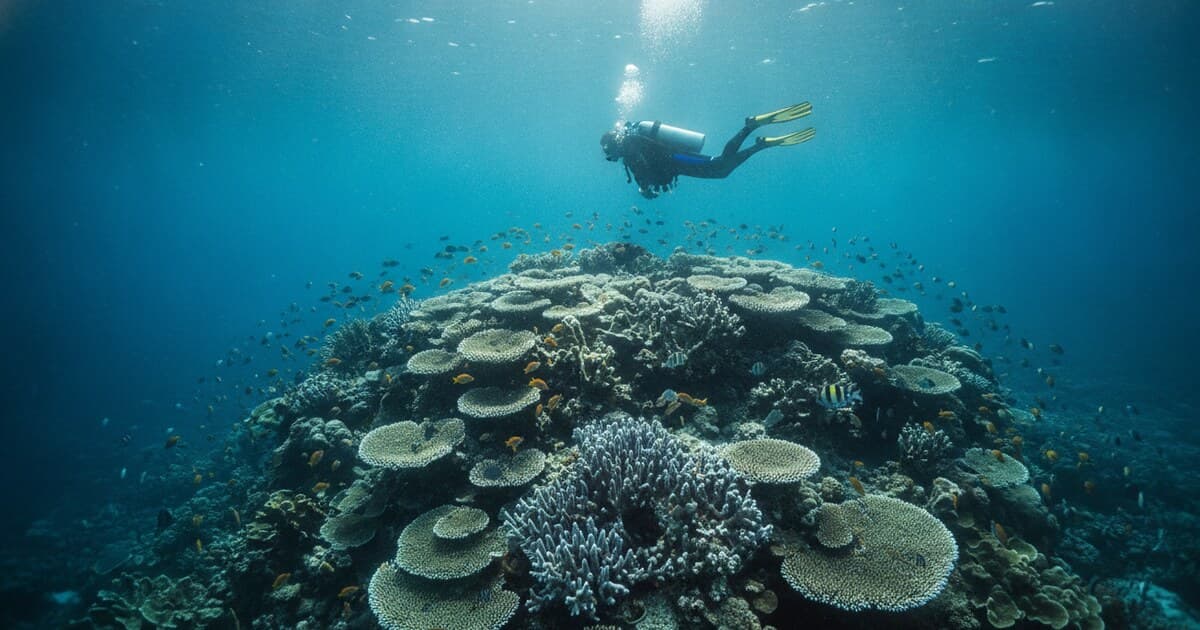
Plan your Great Barrier Reef dive trip: best sites, best season, realistic costs and how to choose between day trips and liveaboards.
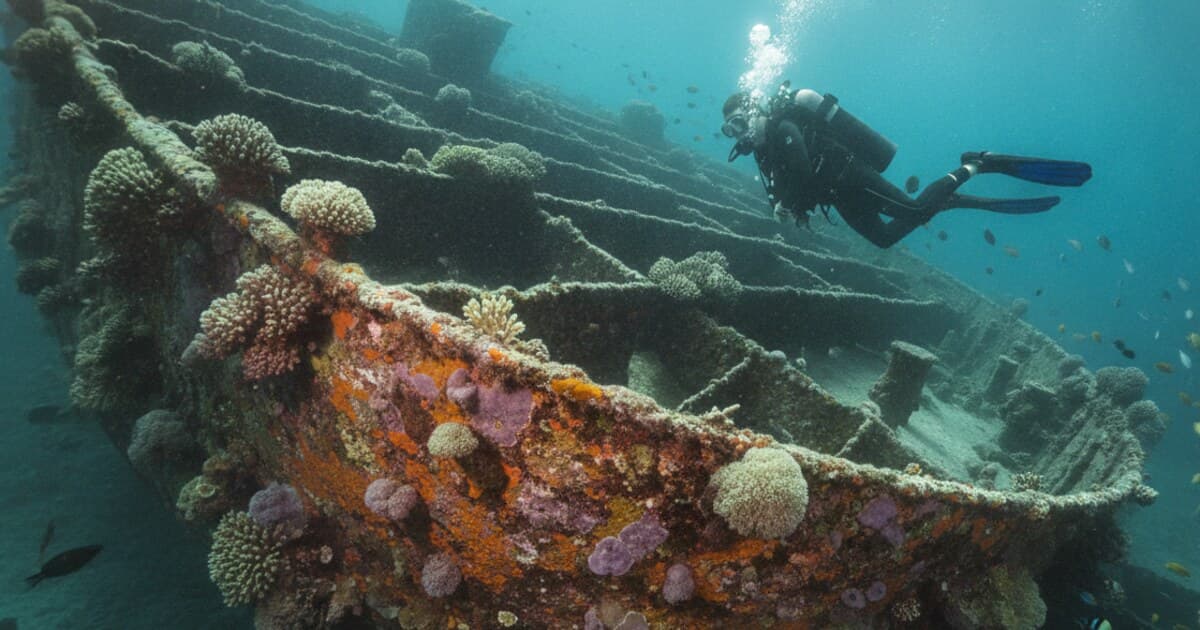
A practical guide to diving in Bali: the best sites from Tulamben to Nusa Penida, seasonal timing, realistic costs and how to find a dive centre.
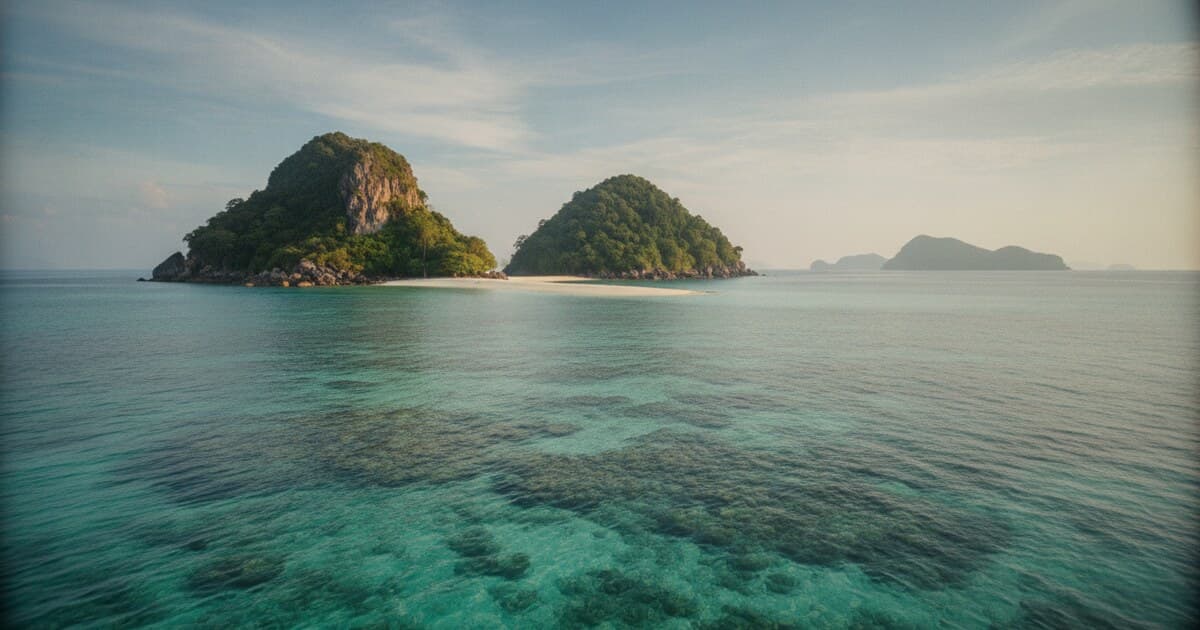
Koh Tao diving: 25+ sites, PADI Open Water from $290, and warm water year-round. This guide covers the best sites, seasons, and real costs.