Scuba Diving Certification Levels: Full Guide
Every scuba diving certification level explained: what each one lets you do, depth limits, prerequisites, cost and how long it takes to earn.
Compare courses from certified centres, with dates and prices upfront.
Find a course →Certification for scuba diving is more straightforward than the alphabet of agencies suggests: one entry-level course, taught to common standards nearly everywhere, that licenses you to dive to 18 metres with a buddy anywhere in the world. This guide covers how the course works, what it costs, how the levels stack, and the one decision that actually matters when you book.
What the entry-level course involves
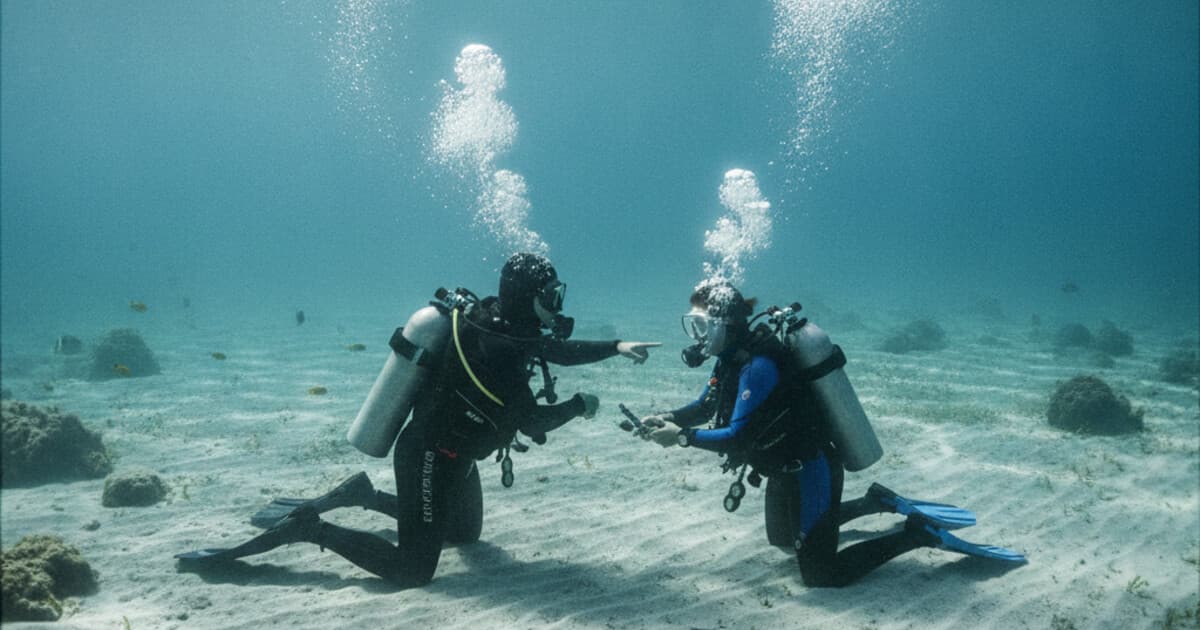
The standard course (PADI calls it Open Water Diver, SSI the same, BSAC calls it Ocean Diver) has three parts. Theory covers the physics and physiology: why you equalise, why you never hold your breath, how to read your no-deco limits (our dive tables reference shows the numbers behind that). Confined water is skill practice in a pool or a calm bay. Then four open-water dives put it together in the sea.
Most people finish in three to four days. E-learning shifts the theory to your sofa before the trip, cutting the in-person part to roughly two and a half days, which is worth doing if you are certifying on holiday.
What it costs
Mediterranean prices run €350-450 for the full course. Certifying at home in northern Europe often costs more once pool sessions and cold-water gear are counted, which is why so many people learn on holiday: warm water, better visibility, and your qualifying dives happen on real sites — in Cyprus that means places like Green Bay rather than a quarry (our Cyprus guide covers what learning there looks like).
Check what the price includes. Materials, equipment rental and the certification fee should all be in it; a headline price that excludes them usually stops being the cheap option.
There is also a split option worth knowing: referral courses. You complete the theory and pool work at home, then carry a referral form to a warm-water centre for the four open-water dives. It costs a little more in total but saves holiday days, and the qualifying dives happen somewhere worth diving.
The medical questionnaire, briefly
Every course starts with a self-assessment medical form. Most people tick "no" down the page and start the same day. Some answers, such as asthma, heart conditions or recent surgery, require a doctor's clearance before training. If any apply to you, sort the sign-off before travelling rather than spending the first morning of the holiday finding a clinic.
The scuba diving certification levels, in order
| Level | Depth limit | Prerequisite | Typical cost | Time |
|---|---|---|---|---|
| Open Water | 18 m | Age 15 (10 junior) | €350-450 | 3-4 days |
| Advanced Open Water | 30 m | Open Water | €280-380 | 2 days |
| Rescue Diver | 30 m | Advanced + first aid | €350-450 | 3-4 days |
| Master Scuba Diver | 40 m with Deep | Rescue + 5 specialties + 50 dives | rating, not a course | — |
| Divemaster | professional | Rescue + 40 dives | €700-1,200 | 4 weeks+ |
| Instructor | professional | Divemaster + 100 dives | €1,500-2,500 | 2 weeks |
Open Water: the licence
The one that matters. It certifies you to dive to 18 metres with a buddy, anywhere in the world, with no expiry. For Mediterranean and Red Sea holiday diving this is genuinely enough: the great majority of sites in Cyprus, Malta and Egypt sit inside its limits.
Advanced Open Water: depth and range
Five themed dives, no exam: a deep dive, a navigation dive, and three you choose. It lifts you to 30 metres, which is the practical unlock for the famous dives: the Zenobia's cargo decks, the Thistlegorm, Malta's deeper wrecks. Take it when a specific dive demands it rather than on principle.
Rescue Diver: the one divers rate highest
Ask experienced divers which course changed them and most say this one. It is about other people's problems: spotting stress, managing a panicked diver, running a search. It stops being a course about you and starts being about the buddy pair. It is also the prerequisite for everything professional.
Master Scuba Diver: the top recreational rating
Not a course but a recognition: Rescue plus five specialties plus 50 logged dives. Worth knowing it exists because it is frequently confused with a professional qualification. It is not one; it is the ceiling of the amateur ladder.
Specialties: sideways, not upwards
Nitrox, deep, wreck, night, drift, photography. These sit beside the main ladder rather than above it. Nitrox is the one most divers get value from soonest, particularly on repetitive Red Sea days; the dive tables page covers the arithmetic behind it.
The professional track
Divemaster is the first rating that lets you work, and instructor the first that lets you teach. Both are careers rather than certifications, with pay to match.
Nobody needs the whole ladder. Open Water plus experience covers most holiday diving. Advanced when a dive requires it. Rescue when you want to be a better buddy. Everything else is optional.
Does the agency matter?
The honest answer: barely, at recreational level. PADI, SSI, BSAC and the CMAS federations all teach to compatible standards and their cards are honoured interchangeably at dive centres worldwide. Pick the centre whose instructor, group size and schedule suit you. A patient instructor with small groups beats any logo.
Booking a course
Course pricing varies more between centres than almost any other dive product, and schedules fill in season. Compare course offers on Diving Scanner with your dates and group size: prices shown upfront, a small deposit online, balance at the centre. Listed centres pass a manual review first, and their ratings come only from divers who completed a booking.
Frequently asked questions
+How long does it take to get scuba certified?
Three to four days for the standard Open Water course, split between theory, confined-water skills and four open-water dives. Doing the theory online before you travel compresses the in-person part to about two and a half days, which fits inside a normal holiday with room to spare.
+How much does scuba certification cost?
Typically €350-450 in Mediterranean destinations, often more at home in northern Europe once pool fees and cold-water equipment enter the bill. The price should include materials, equipment and certification fees — ask, because a low headline price sometimes excludes them.
+PADI or SSI — does the agency matter?
Less than people expect. Both teach to the same recreational standards, both are recognised worldwide, and an Open Water card from either books the same dives. Choose the instructor and the schedule you like; the agency logo on the card matters least.
+Does a scuba certification expire?
No — the card is valid for life. Skills fade, though, and most centres ask when you last dived. After a year or more out of the water, plan a short refresher session before your first dive; it is cheap and it makes the first dive of the trip a dive rather than a rehearsal.
+What are the scuba diving certification levels?
The recreational ladder runs Open Water (18m), Advanced Open Water (30m), Rescue Diver, then Master Scuba Diver as the top non-professional rating. Beyond that the professional track begins with Divemaster and continues to Instructor. Specialty courses — nitrox, wreck, deep, night — sit alongside rather than above the main levels.
+What is the highest recreational scuba certification?
Master Scuba Diver in the PADI system, or its equivalent elsewhere. It is awarded for holding Advanced and Rescue plus five specialties and 50 logged dives, rather than for passing one more course. Everything above it is a professional rating that qualifies you to work.
+How deep can you dive at each certification level?
18 metres at Open Water, 30 metres with Advanced Open Water, and 40 metres with the Deep specialty — which is the agreed limit of recreational diving on air. Junior versions of the entry-level certification are restricted further, usually to 12 metres.
+What age can you start scuba diving?
Junior versions of the entry-level course start at 10 with depth limits and an accompanying adult; the standard course runs from 15. There is no upper age limit, but everyone completes a medical questionnaire, and some answers require a doctor's sign-off before training.
Tomas writes about how diver training works: what the agencies teach, how the levels stack up, and what a course involves before you book one.
Compare courses from certified centres, with dates and prices upfront.
Find a course →Keep reading
What belongs in a dive log book, why dive centres ask to see it, paper versus apps, and how to rebuild a patchy log before your next trip.
What a divemaster internship involves, the free-versus-paid trade honestly explained, and the questions that separate real training from free labour.
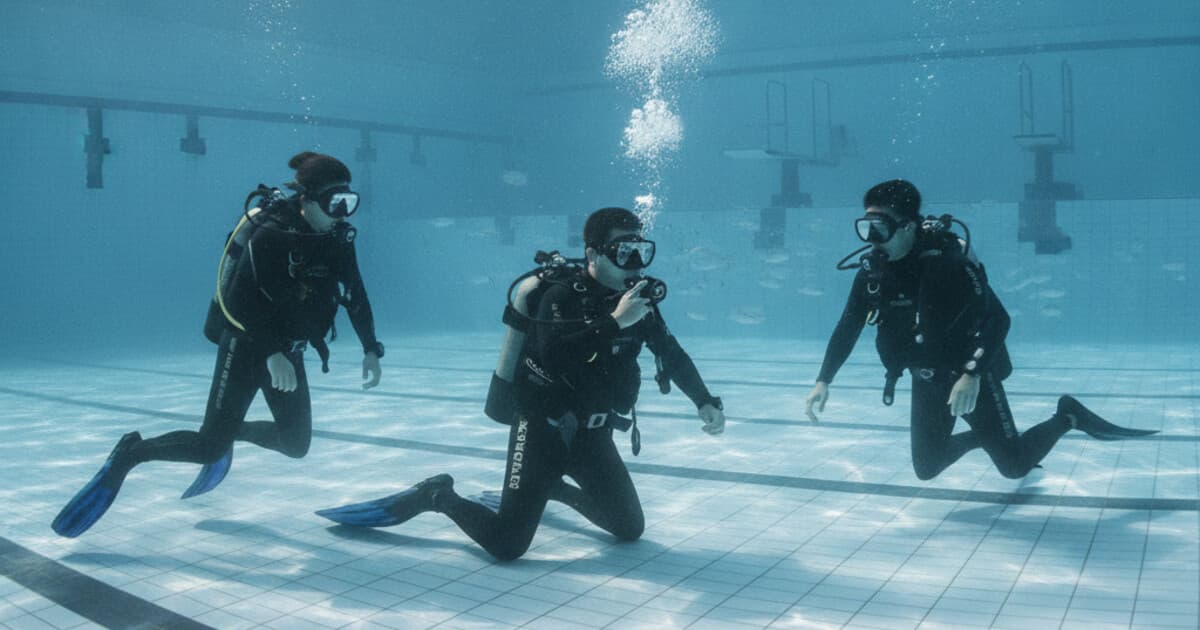
How to become a scuba diving instructor: the ladder from Open Water to the instructor exam, realistic timelines, what it costs, and where the jobs are.