Scuba Diving Instructor Salary: Real Numbers
What a scuba diving instructor salary actually looks like by region, how pay is structured, the income streams that stack on top, and what nobody says.
Compare courses from certified centres, with dates and prices upfront.
Find a course →Scuba diving instructor salary numbers are the industry's least romantic topic, which is exactly why they are worth writing down. The short version: teaching diving pays like a lifestyle job, the package matters more than the payslip, and the instructors who do well financially are the ones who treat it as a career with stages rather than an endless season.
The honest ranges
Salaries are advertised regionally, and the spread is wide:
| Region | Commonly advertised package |
|---|---|
| Southeast Asia | €600-1,200/month, often with room and board |
| Mediterranean (seasonal) | €1,200-2,000/month, May-October |
| Middle East (year-round) | €1,000-1,800/month, frequently tax-free |
| Caribbean | €900-1,600/month plus tips |
| Australia / western Europe | €1,800-3,000/month, higher living costs |
| Liveaboards | base plus tips; good boats beat most land jobs |
Treat these as the shape of the market rather than promises: pay varies by centre, season and how many students actually show up.
How the pay is actually structured
The headline number is rarely the whole story. Common structures include a modest base plus per-course or per-student rates, commission on equipment sales, and tips where the local culture supports them. Accommodation is the big swing item: a €900 package with staff housing in a resort town can leave more in your pocket than €1,800 paying city rent.
Seasonality is the other half. A Mediterranean instructor works intensely from May to October and then either follows the season (Red Sea and Southeast Asia hire for the northern winter) or absorbs the quiet months. Year-round markets trade that rhythm for steadier, usually lower, monthly peaks.
Pay by stage
The headline range hides a real progression:
| Stage | Typical monthly | What changes |
|---|---|---|
| New instructor, first season | €600-1,100 | Assisting, low course load, often housed |
| 2-3 seasons | €1,000-1,800 | Own courses, specialties, repeat guests |
| Senior / course director track | €1,800-3,000+ | Teaching instructors, managing staff |
| Freelance / technical | highly variable | Paid per course, best rates, no security |
The jump between the first and second column is mostly course load. An instructor who teaches is worth more than one who guides, because courses carry the margin: a centre earning €400 on an Open Water course can pay a meaningful share of it to the person delivering it, which no fun dive supports.
What actually moves your pay
- Languages. A German or French-speaking instructor in the Mediterranean rarely sits idle, and bilingual staff command a premium in every resort market.
- Teaching, not guiding. See above; the courses are where the money is.
- Specialties. Nitrox, deep, wreck and technical ratings widen what you can sell, and technical teaching pays multiples of recreational.
- Boat and compressor tickets. The most useful person on the dock is rarely the one who only dives.
- Season stacking. Following the season (Mediterranean summer, Red Sea or Asian winter) turns a six-month wage into a twelve-month one.
Underwater photography sold to guests belongs on that list too, and it is the one most instructors underuse.
The long game, for a meaningful minority, is ownership: instructors become managers, managers buy or open centres. If that is the arc you are on, our guide to buying a dive shop covers what the purchase actually involves.
Where the path starts
Every one of these jobs starts with the same ladder: certification levels up to Divemaster, usually via a divemaster internship, then the instructor course. If you are still climbing the early rungs, warm-water course prices are part of the arithmetic: compare course offers before you book, because the same qualification can differ by hundreds of euros between centres.
Frequently asked questions
+How much does a scuba diving instructor earn?
Advertised packages in resort destinations commonly run the equivalent of €600-1,500 a month, often with accommodation and diving included; western Europe and Australia advertise more like €1,800-3,000 before their higher living costs. Liveaboard roles and busy private guiding can beat both. Nobody enters this profession for the salary alone.
+Do dive instructors get paid per course?
Very often, yes. Many centres pay a base plus a per-student or per-course rate, so a busy teaching month can double a quiet one. Ask how pay is structured before accepting a role — two jobs with the same headline salary can pay very differently across a season.
+Where do dive instructors earn the most?
Liveaboards with tips, the Middle East's year-round resort market, and private guiding for high-end operations tend to top the scale. Seasonality matters as much as region: a Mediterranean summer can pay well for six months and nothing for the other six.
+How much do scuba instructors make a year?
Annualised, most working instructors land between €10,000 and €25,000 depending on region and season length, with accommodation and diving often on top. Seasonal Mediterranean contracts pay for six months; year-round Red Sea and Asian roles spread a lower monthly figure across twelve.
+Do dive instructors make good money?
Compared with other jobs requiring similar training, no. Compared with the alternative of paying to dive, the maths is better than it looks once housing, air fills and equipment are included. Instructors who earn well add technical or freediving teaching, photography sales, or move into management.
+Is being a dive instructor worth it financially?
As a salary, rarely; as a package, sometimes — accommodation, diving, equipment discounts and a workplace people pay to visit change the arithmetic. Most instructors describe it as trading income for lifestyle, and the ones who stay long-term usually add skills like photography, technical teaching, or eventually their own centre.
Tomas writes about how diver training works: what the agencies teach, how the levels stack up, and what a course involves before you book one.
Compare courses from certified centres, with dates and prices upfront.
Find a course →Keep reading

What belongs in a dive log book, why dive centres ask to see it, paper versus apps, and how to rebuild a patchy log before your next trip.
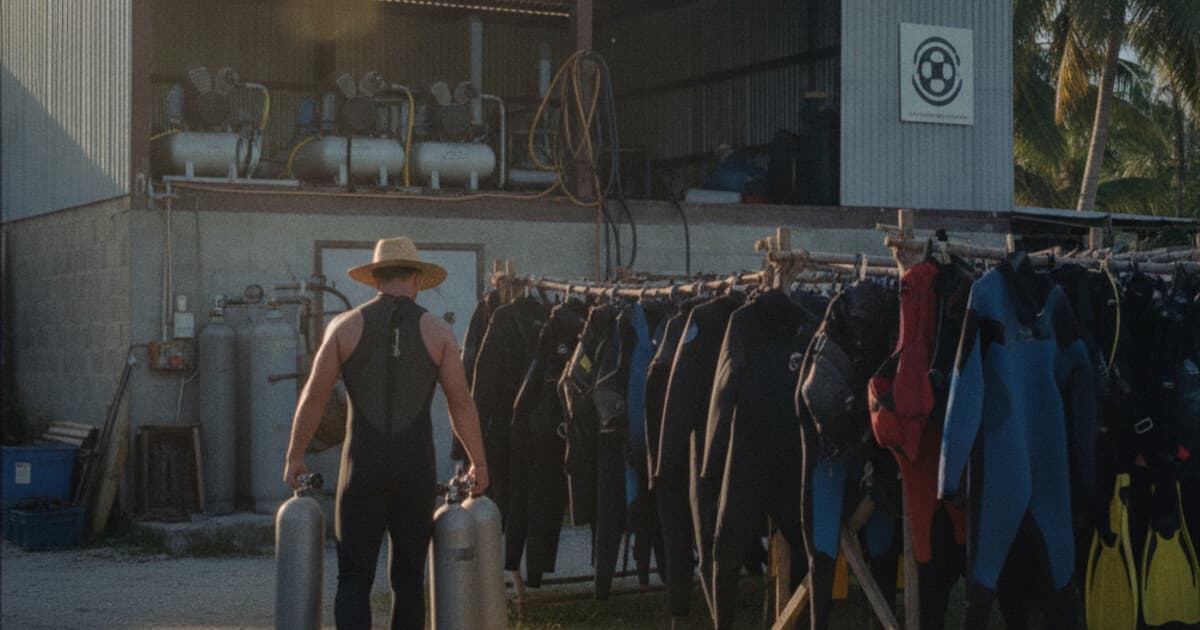
What a divemaster internship involves, the free-versus-paid trade honestly explained, and the questions that separate real training from free labour.
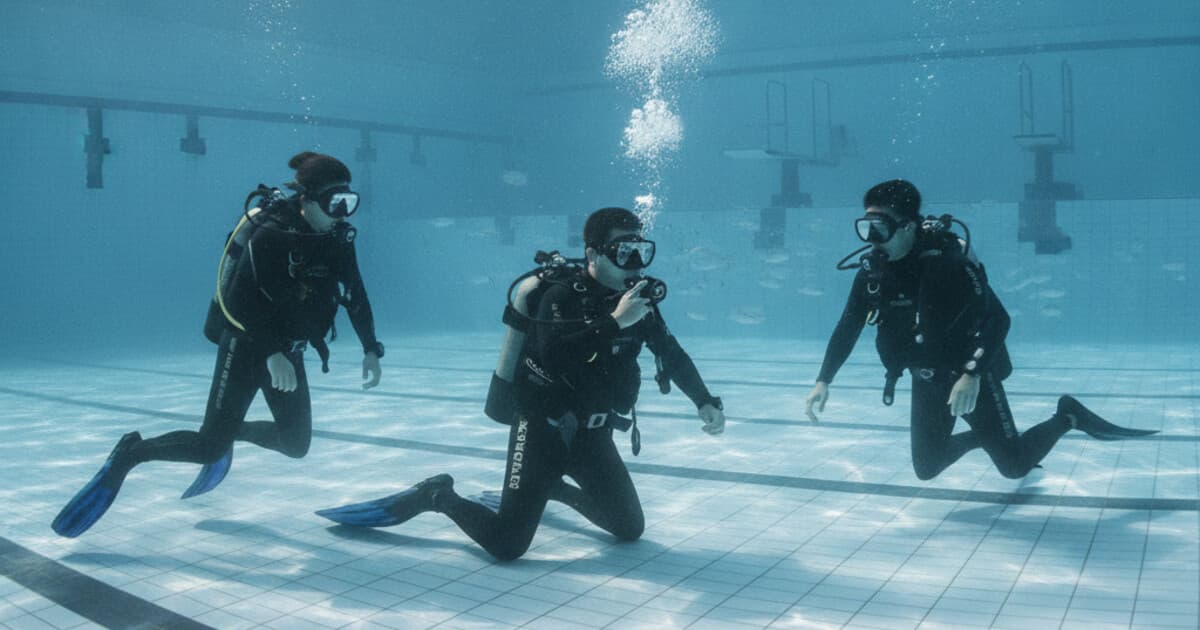
How to become a scuba diving instructor: the ladder from Open Water to the instructor exam, realistic timelines, what it costs, and where the jobs are.