How to Become a Scuba Diving Instructor
How to become a scuba diving instructor: the ladder from Open Water to the instructor exam, realistic timelines, what it costs, and where the jobs are.
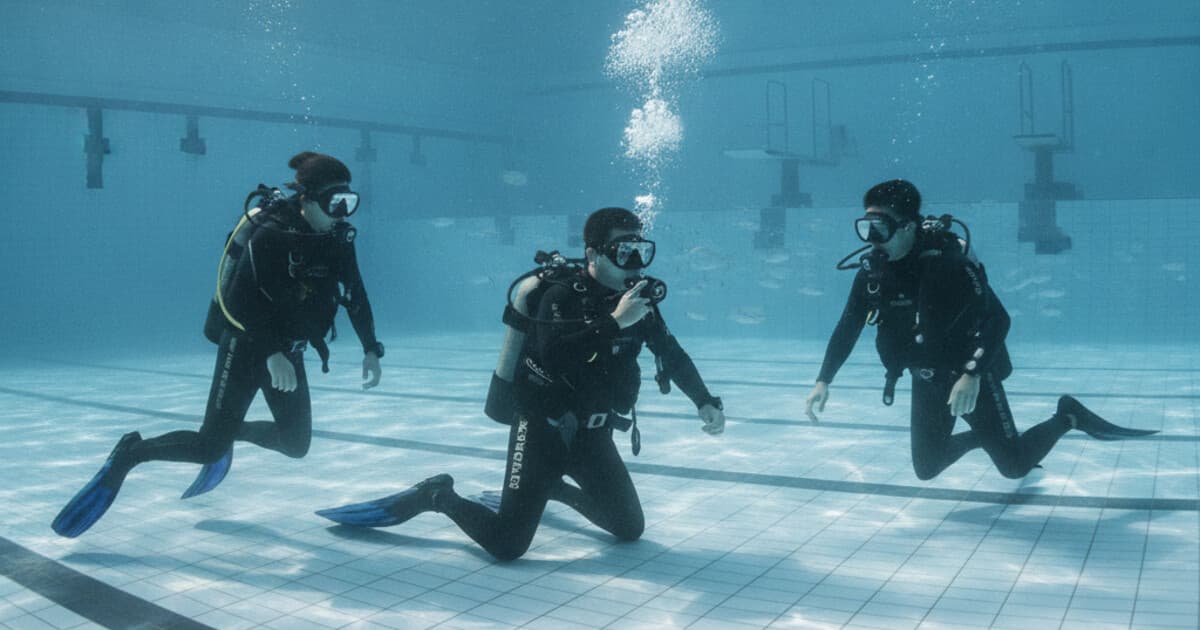
Compare courses from certified centres, with dates and prices upfront.
Find a course →How to become a scuba diving instructor is a question with an unusually concrete answer: a fixed ladder of ratings, published dive-count prerequisites, and an exam at the end run by the agency rather than your school. What varies is the time, the cost and the quality of the teaching you buy on the way up. This guide covers all three.
The ladder, in order
The route is the same at every major agency. First the recreational levels: Open Water, Advanced, then Rescue Diver with a current first-aid certificate. Rescue is where the mindset shifts — the course is about other people's problems, which is the actual job description of everything that follows.
Then the professional levels. Divemaster is the apprenticeship: you assist courses, guide certified divers, brief boats and learn standards, starting from 40 logged dives and certifying at 60. Most people do it over one to three months, often as a divemaster internship in a working centre.
The Instructor Development Course is roughly two intensive weeks of learning to teach: standards, classroom presentations, confined-water and open-water teaching practice. It ends at the Instructor Examination — a two-day, independently examined test of theory, standards and teaching. You need 100 logged dives and six months since your first certification to sit it. Pass, and you hold an entry-level teaching rating recognised worldwide.
What it costs and how long it takes
From Rescue Diver, a realistic budget is €2,500-4,500 to instructor: Divemaster training around €700-1,200, the IDC €1,500-2,500 with materials, and roughly €800 in examination and registration fees. Warm-water destinations price at the lower end and let you build dives cheaply between courses, which is why so many people do the whole professional stretch abroad; course prices vary enough between centres that comparing before committing pays for a flight.
Time-wise: 6-12 months from first breath to instructor is honest. It can compress to a season if you arrive at Rescue level, and it stretches happily for people qualifying alongside a job.
Choosing where to train
The school matters more than the agency logo. Things worth checking: how many IDC candidates they run at once (small is better), the examiner pass rate they will quote if asked, whether Divemaster interns actually assist real courses or just fill tanks, and what conditions you will teach in — learning to control a class in a surgy 4-metre bay builds a better instructor than a swimming pool ever will.
And plan the after: the salary reality is a lifestyle wage in most markets, best treated as a career with stages — specialty teaching, management, and for some, eventually a centre of their own.
Frequently asked questions
+How long does it take to become a dive instructor?
From zero to instructor, 6-12 months is realistic if you go steadily — the agencies require at least six months since your first certification before the instructor exam. From Rescue Diver, an intensive route through Divemaster and the IDC can be done in 3-4 months.
+How much does it cost to become a scuba instructor?
From Rescue Diver onwards, plan roughly €2,500-4,500: Divemaster training (often €700-1,200), the IDC (€1,500-2,500 including materials), and examination plus registration fees (around €800 combined). Warm-water destinations at the lower end, western Europe at the upper.
+How many dives do you need to be an instructor?
The published prerequisites: 40 logged dives to start Divemaster training, 60 to certify as one, and 100 to sit the instructor examination. Quality matters as much as the count — varied sites and conditions make the teaching practice far easier.
+PADI or SSI instructor — which is better for jobs?
PADI has the largest footprint of centres worldwide; SSI has grown fast and dominates some regions. Both qualifications are employable. The more useful question is where you want to work: check which agency the centres in that region teach, and train to match.
Tomas writes about how diver training works: what the agencies teach, how the levels stack up, and what a course involves before you book one.
Compare courses from certified centres, with dates and prices upfront.
Find a course →Keep reading
What belongs in a dive log book, why dive centres ask to see it, paper versus apps, and how to rebuild a patchy log before your next trip.
What a divemaster internship involves, the free-versus-paid trade honestly explained, and the questions that separate real training from free labour.
What a scuba diving instructor salary actually looks like by region, how pay is structured, the income streams that stack on top, and what nobody says.