Diving in Malta: Wrecks, Caves and Seasons
Diving in Malta and Gozo: the scuttled wrecks, the Blue Hole, month-by-month water temperatures, and how the Med's wreck capital earned the title.
See live offers from local dive centres — pick a date and compare.
Scan for dives →Diving in Malta runs on density. The three islands, Malta, Gozo and tiny Comino, pack dozens of sites into coastlines you can drive end to end in an hour, and successive scuttling programmes have turned the seabed into the Mediterranean's best wreck park. If Cyprus is a destination with one great wreck, Malta is a destination made of them.
The wrecks
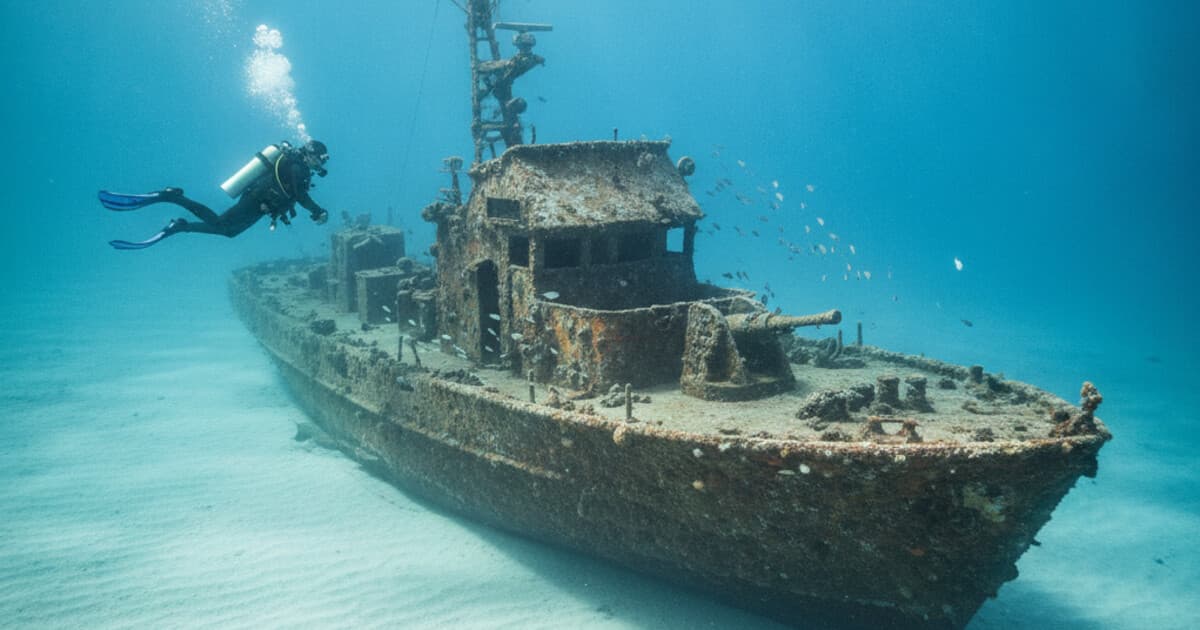
The names that fill logbooks: the Um El Faroud, a 110-metre tanker scuttled in 1998 off Wied iz-Zurrieq, upright at around 36 metres and regularly called the best wreck dive in the Med after the Zenobia. Off Cirkewwa in the island's northwest, the P29 patrol boat and the Rozi tugboat sit within reach of the same shore entry, both scuttled as diver attractions and both generous with groupers and barracuda. Most of the headline wrecks lie in the 30-36 metre band, which is Advanced Open Water territory, so it is worth arranging the certification before the trip rather than during it. Every major wreck on both islands, with depths and which are shore dives, is in our Malta wreck diving guide.
Gozo and Comino
Gozo's Blue Hole is the other reason divers book flights: a natural limestone shaft that opens through an archway into open sea, next to the rubble field left when the Azure Window arch collapsed in 2017, now its own dive as the Azure Reef. Comino, the small island between the two, contributes the Santa Marija caves, a lit, friendly cave system that suits any certification level and photographs like a film set.
Seasons and conditions
The Maltese season mirrors the rest of the central Med: comfortable from May to November, peaking around 26°C in August, dropping to roughly 15°C in February. Visibility is the constant; 30 metres is unremarkable here. Wind direction decides the day's site more than swell does — with entries all around the islands, somewhere is always sheltered, which is why Maltese centres rarely cancel outright.
Costs and logistics
Maltese diving prices sit close to the island norms of the central Med: guided shore dives around €40-55, two-tank boat days €90-120, and Open Water courses €380-460. The shore-diving culture keeps costs down — many of the famous wrecks, Cirkewwa's included, are walk-in entries, so a hire car plus a guide turns into a full itinerary without a boat fee.
Getting there is the easy part: Malta's single airport takes three hours or less from most of Europe, and nowhere on the main island is more than an hour from the runway. Gozo adds a 25-minute ferry that has itself launched a thousand dive-day plans. October deserves a mention for value: warm water, thin crowds and shoulder-season flight prices land in the same month.
Malta or Cyprus?
The eastern Mediterranean's two English-speaking dive hubs split cleanly. Malta offers more wrecks, more sites per mile and a denser diving culture; Cyprus counters with the single best wreck of the two (the Zenobia), warmer autumn water and gentler beginner bays. Serious wreck divers lean Malta; families and mixed groups lean Cyprus; plenty of divers simply alternate years.
Booking it
Diving Scanner is opening across the Mediterranean, and Malta is on the expansion map. Bookable offers start in Cyprus — you can scan those by date and party size today, with prices upfront, a small deposit online and the balance paid at the centre. As Maltese centres join, their offers appear in the same search; centres are manually reviewed before listing, and ratings come only from divers who completed a booking.
Frequently asked questions
+Why is Malta famous for diving?
Concentration. A small island group carries dozens of dive sites — many deliberately scuttled wrecks, natural arches, caves and reefs — most within a short drive or boat ride of each other, in water that regularly offers 30 metres of visibility.
+What are the best dive sites in Malta?
The classics: the Um El Faroud tanker at Wied iz-Zurrieq, the P29 patrol boat and Rozi tugboat off Cirkewwa, the Blue Hole and Azure Reef on Gozo, and the Santa Marija caves at Comino. Wreck lovers can fill a week without repeating a site.
+When is the best time to dive in Malta?
May to November. The sea peaks around 26°C in August and stays workable into November; winter drops to about 15°C, which moves diving into thick-wetsuit territory without stopping it. Visibility is strong year-round.
+Is Malta or Cyprus better for diving?
Malta wins on wreck count and site density; Cyprus wins on one signature wreck (the Zenobia), warmer late-season water and gentler beginner bays. Wreck-focused divers usually pick Malta; mixed groups and first-timers often find Cyprus easier to build a holiday around.
Elena covers dive destinations around the Mediterranean — where to go, when the water is worth it, and what a week of diving actually costs.
See live offers from local dive centres — pick a date and compare.
Scan for dives →Planning the trip? Diving in Malta →
Keep reading
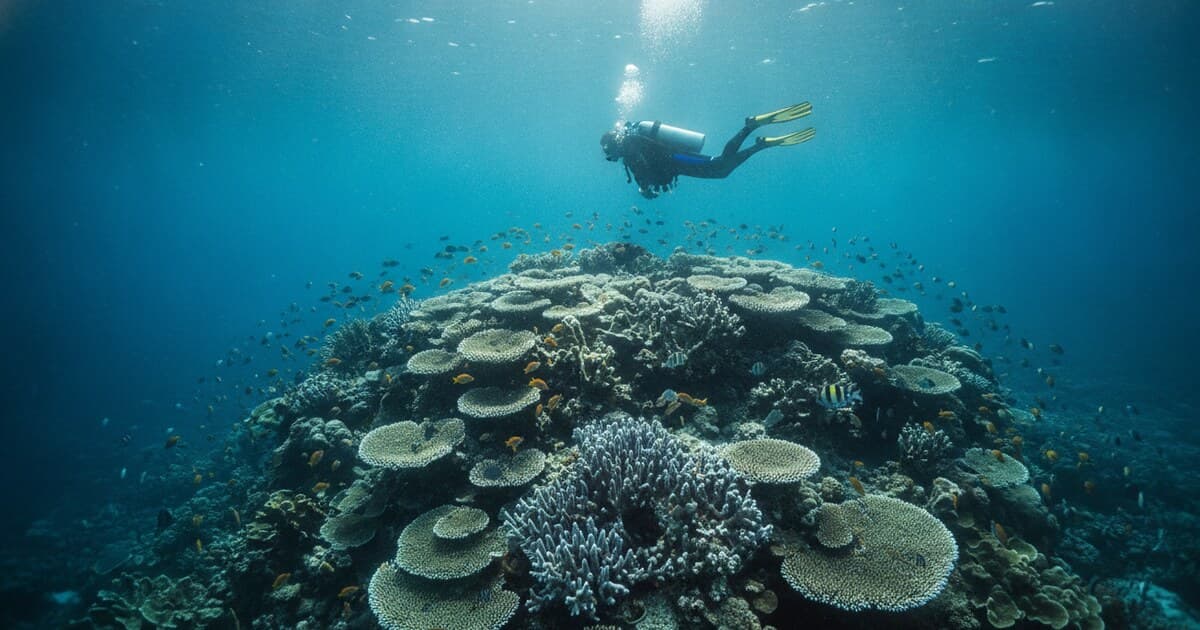
Plan your Great Barrier Reef dive trip: best sites, best season, realistic costs and how to choose between day trips and liveaboards.
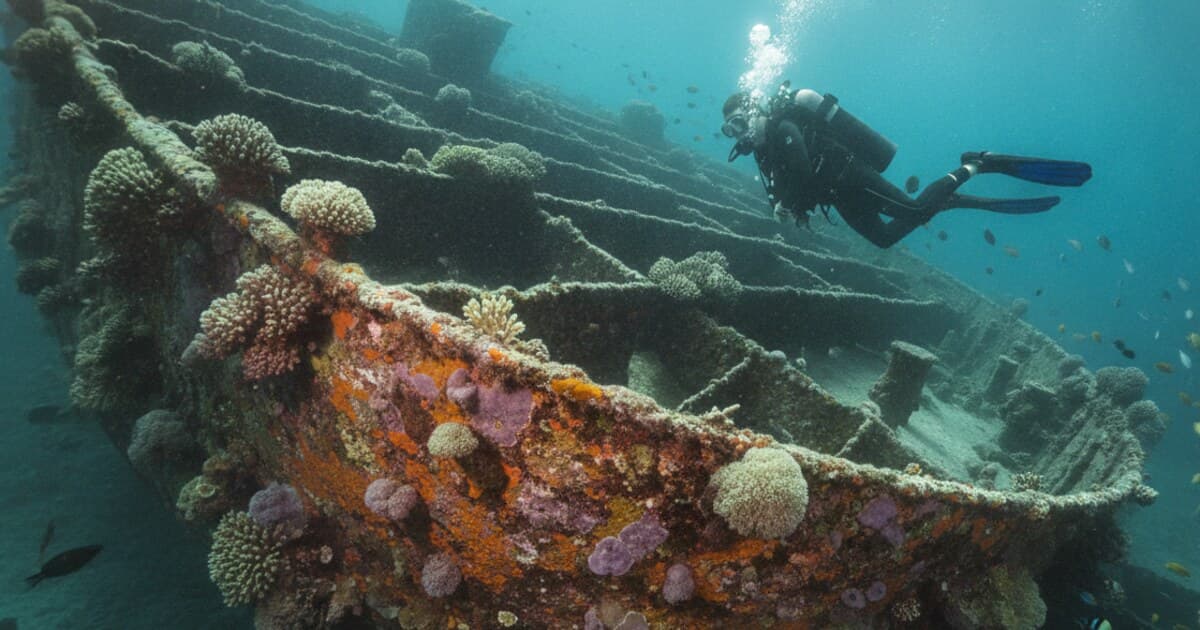
A practical guide to diving in Bali: the best sites from Tulamben to Nusa Penida, seasonal timing, realistic costs and how to find a dive centre.
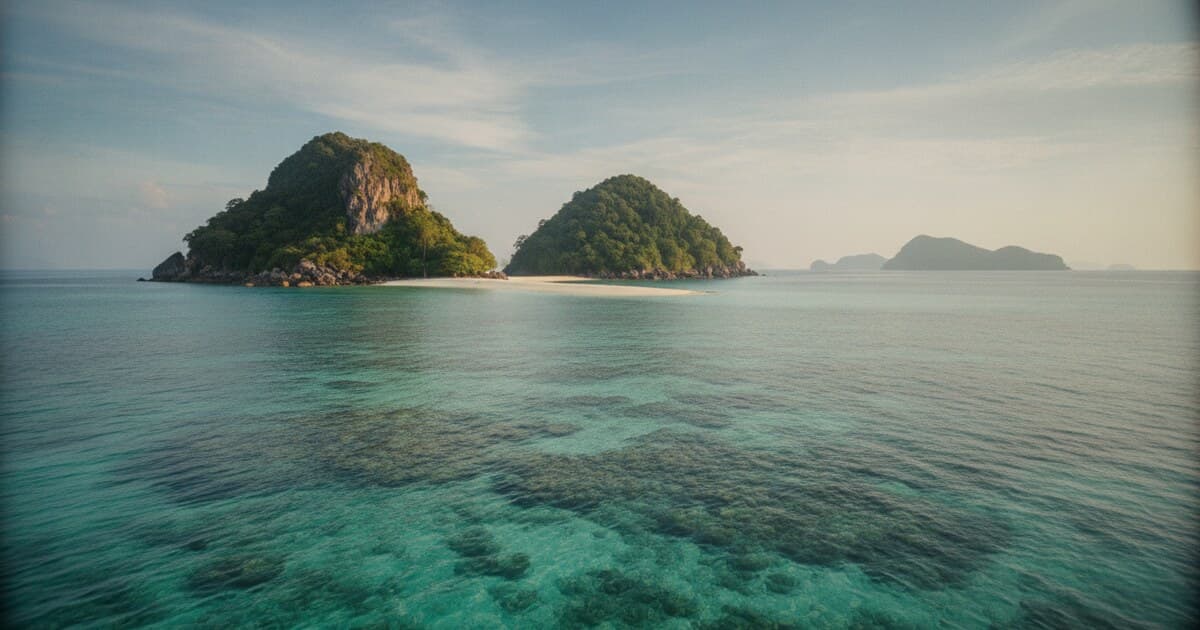
Koh Tao diving: 25+ sites, PADI Open Water from $290, and warm water year-round. This guide covers the best sites, seasons, and real costs.