The Blue Hole, Gozo: Diving Malta's Famous Site
Diving the Blue Hole in Gozo: the arch, the Azure Window rubble, depths, the tricky entry, and how it differs from the Blue Hole in Dahab.
Compare live offers diving sites like these — dates and prices upfront.
Find dives here →The Blue Hole at Dwejra is the most photographed dive site in Malta, and one of the few natural formations in the Mediterranean that genuinely earns the attention. It is also routinely confused with a completely different site of the same name in Egypt, which is worth clearing up before anything else.
What it actually is
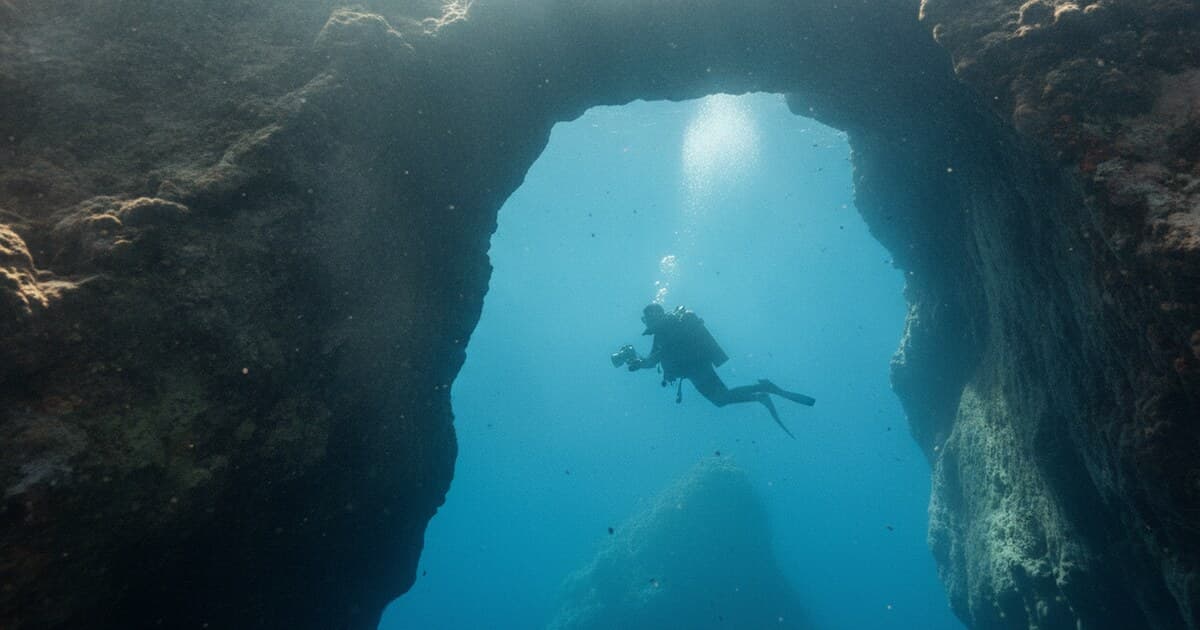
A shaft in the limestone shelf on Gozo's west coast, about 10 metres across and 15 deep, open to the sky and filled with startlingly clear water. At around 8 metres, an arch in its seaward wall connects it to the open sea.
The standard dive descends inside the hole, passes out through the arch, and turns along a wall that drops away past 50 metres into blue. You work the wall at whatever depth your plan allows, then return through the arch and surface inside the hole. Total depth is entirely your choice, which is why the site suits both a newly qualified diver and someone with a technical ticket.
Inside the hole itself the light is the attraction: on a bright day the shaft glows turquoise and the arch reads as a bright doorway from within.
The Azure Window, and what is left of it
Until March 2017 the Blue Hole sat beside the Azure Window, a limestone arch that was Gozo's most famous landmark and appeared in more film footage than any other rock in the Mediterranean. A storm brought it down into the sea.
What remains is now a dive. The Azure Reef is the rubble field, huge blocks scattered between roughly 15 and 45 metres, and it has become one of the more unusual dives in Europe: a landmark that used to be photographed from above, now swum through. Coral and sponge growth is establishing on the blocks, and the site is regularly dived on the same trip as the hole.
Not the Dahab Blue Hole
This distinction is worth stating plainly, because the two sites share a name and almost nothing else.
Gozo's Blue Hole is shallow, its arch is at 8 metres, and the standard route is an ordinary recreational dive.
Dahab's Blue Hole in Egypt is a 100-metre shaft whose Arch is a 26-metre tunnel with its base at 55 metres, far beyond recreational limits, and it has killed a significant number of divers who attempted it untrained. The memorial plaques there are not decoration.
Divers researching one and reading about the other is a real problem. If a Gozo centre offers you the Blue Hole, they are not offering you the Egyptian dive.
The parts that actually need care
The entry is the hazard, not the depth. Reaching the hole means walking down and across uneven rock in full gear, and it is genuinely awkward; a lot of minor injuries at this site happen before anyone gets wet.
Sea state decides everything. In swell the hole surges, the arch becomes a place you do not want to be timing your exit, and the entry turns dangerous. Maltese centres cancel Dwejra often, and a centre that runs it in marginal conditions is telling you something about how it operates.
Fitting it in
Dwejra is on Gozo's west coast, a short drive from the ferry, and usually dived as a shore day combined with the Azure Reef or the Inland Sea tunnel next door. Divers basing on Gozo often pair it with the wrecks at Xatt l-Ahmar on the south coast for a week that never needs a boat.
Season, costs and the rest of the islands are in our Malta diving guide.
Frequently asked questions
+What is the Blue Hole in Gozo?
A natural limestone shaft at Dwejra on Gozo's west coast, roughly 10 metres across and 15 deep, connected to the open sea through an arch at about 8 metres. You descend inside the hole, swim out through the arch onto a wall dropping past 50 metres, and return the same way.
+Is the Blue Hole in Gozo dangerous?
The dive itself is straightforward for a certified diver in calm conditions. The hazards are the entry and the sea state: the walk in over rock is awkward in gear, and in swell the hole surges and the arch becomes genuinely dangerous. Centres cancel it regularly, and they are right to.
+Is Gozo's Blue Hole the same as Dahab's?
No, and confusing them matters. Dahab's Blue Hole in Egypt is a 100-metre shaft whose infamous Arch sits at 55 metres, well beyond recreational limits, and it has killed many divers. Gozo's is shallow, its arch is at 8 metres, and it is an ordinary recreational dive.
+What happened to the Azure Window?
The limestone arch beside the Blue Hole collapsed into the sea during a storm in March 2017. The rubble field it left, at 15 to 45 metres, is now a dive in its own right — the Azure Reef — and is one of the few places you can dive a landmark that used to be above water.
+What certification do you need for the Blue Hole?
Open Water is enough for the standard route through the arch and along the shallower wall. The wall drops well past recreational limits, so depth discipline matters more here than certification level.
Hana writes about what you actually see down there — the wrecks, the reefs and the animals that make a particular site worth the boat ride.
Compare live offers diving sites like these — dates and prices upfront.
Find dives here →Planning the trip? Diving in Malta →
Keep reading
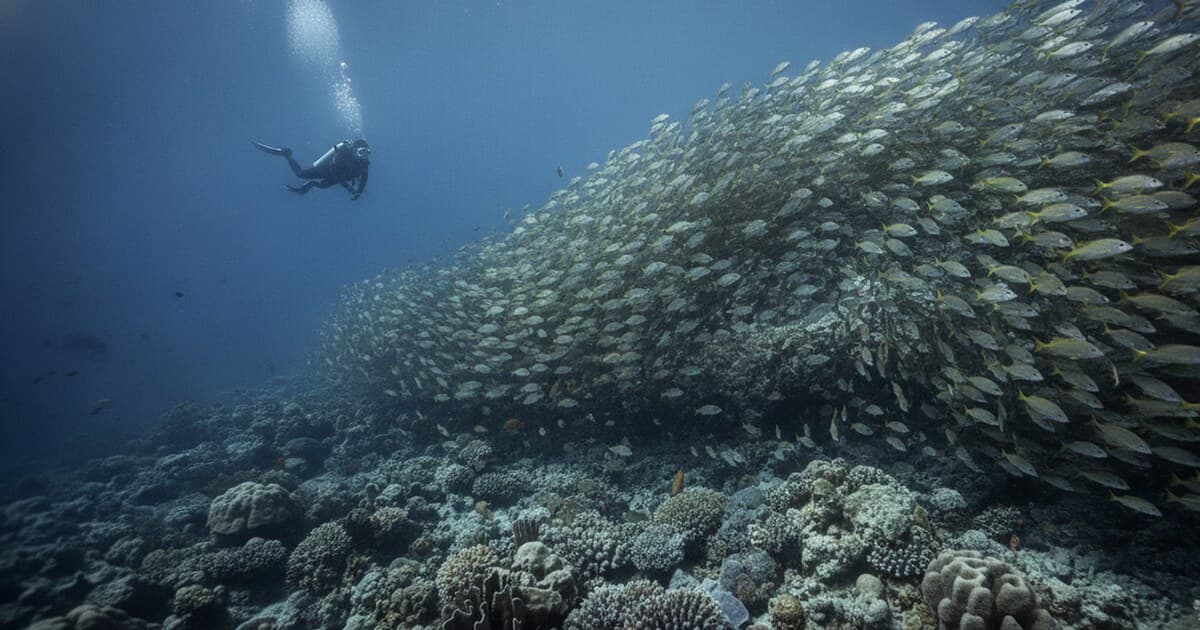
Diving Ras Mohammed National Park in Egypt: Shark and Yolanda Reef, the Anemone City, park fees, when the schooling season peaks and what to expect.
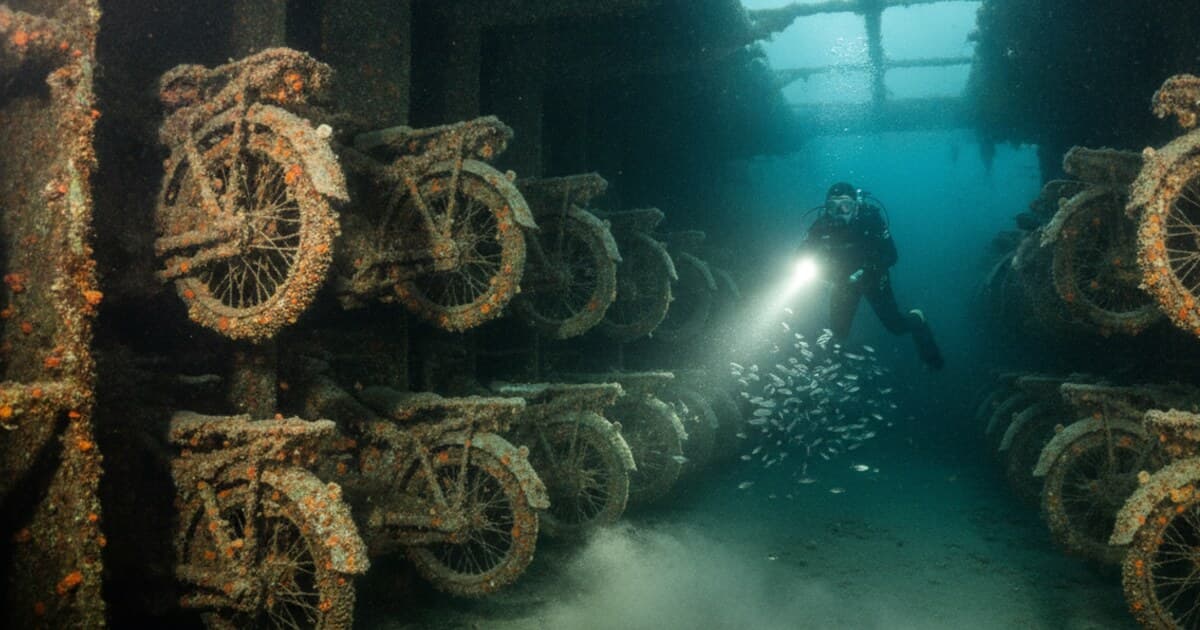
Diving the SS Thistlegorm: the 1941 sinking, what is still in the holds, the depth and certification you need, and how to reach her from Sharm.
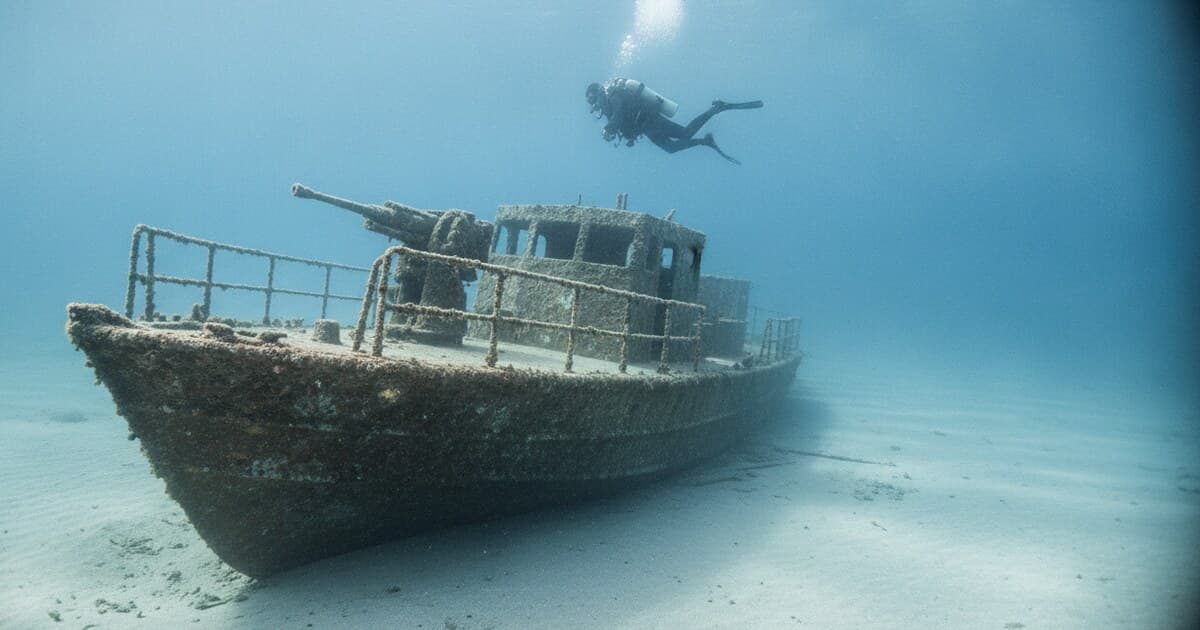
Wreck diving in Malta and Gozo: the P29, Um El Faroud, Rozi and the Gozo wrecks, with depths, certification needed and which are shore dives.