Ras Mohammed National Park: Diving Guide
Diving Ras Mohammed National Park in Egypt: Shark and Yolanda Reef, the Anemone City, park fees, when the schooling season peaks and what to expect.
Compare live offers diving sites like these — dates and prices upfront.
Find dives here →Ras Mohammed National Park is the reason Sharm el Sheikh became a diving town. Egypt declared it a park in 1983, making it the country's first, and four decades of protection show underwater: reefs in condition the rest of the Red Sea aspires to, at the point where the Gulf of Suez and the Gulf of Aqaba meet and push water past a wall of hard coral.
Shark and Yolanda Reef
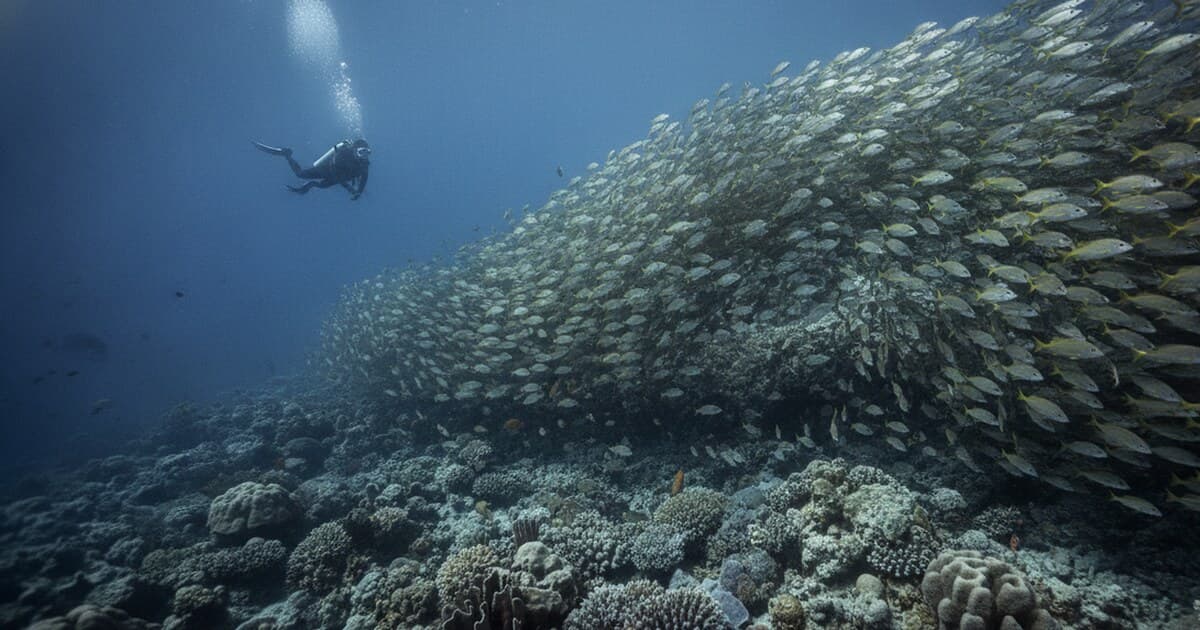
The signature dive, and one of the most-dived sites in the world for good reason. Two coral pinnacles rise off a plateau at around 20 metres, the wall behind them drops into deep blue, and the current runs past all of it.
In summer the plateau does something remarkable. Snapper mass in their thousands to spawn, joined by batfish and barracuda, and the schools get dense enough to dim the light beneath them. Divers hang in the current on the edge of the plateau and watch it move. Between June and September this is as good as Red Sea diving gets.
The dive usually finishes over Yolanda, a Cypriot freighter wrecked here in 1980. The hull itself slid into the depths years ago, but her cargo stayed: shipping containers, a scattering of bathroom fixtures — toilets and bathtubs sitting on the sand at 20 metres — and the captain's BMW. It is the strangest finale to a great dive anywhere in diving.
The rest of the park
Anemone City is exactly that: a plateau carpeted in anemones with their resident clownfish, at friendly depth and usually dived on the way to or from Shark Reef.
Jackfish Alley runs along a wall with a shallow cave system, jacks in the blue and often a reef shark patrolling the drop. Shark Observatory is a sheer wall dive under the cliff the park is named for, one of the steepest drop-offs in the northern Red Sea.
The park's reefs sit in a genuinely protected marine environment, which is what separates the coral here from reefs elsewhere that get the same water but none of the enforcement.
What to know before you go
There is a park fee, charged per diver per day and normally collected by the dive centre with the trip. It funds ranger patrols and mooring maintenance, and it is the reason the site is still worth the boat ride.
These are drift dives with current. The boat drops you upstream and collects you downstream, which is precisely why the fish are there. That suits Advanced-certified divers with recent hours far better than newly qualified ones; if you are early in your diving, the sheltered bays around Sharm and the reefs at Hurghada are the better first week.
Nothing is taken and nothing is touched. The park rules are strict about contact with coral, and the enforcement is real. Good buoyancy is the entry requirement in spirit if not on paper.
Fitting it into a trip
Ras Mohammed runs as a day boat from Sharm el Sheikh, usually two dives with the Yolanda cargo as the finale, and it pairs naturally with a Thistlegorm day earlier or later in the week. Most divers do both on the same trip, which is a good argument for basing in Sharm rather than further down the coast.
Season, costs and the shape of an Egyptian dive week are in our Egypt trip guide; the country's other regions are covered in the Egypt diving guide, and the full catalogue of Egyptian sites sits on the Egypt dive sites page.
Frequently asked questions
+What is Ras Mohammed National Park?
Egypt's first national park, declared in 1983, covering the southern tip of the Sinai peninsula where the Gulfs of Suez and Aqaba meet. Its reefs are among the healthiest in the Red Sea, protected for four decades, and it is the signature diving of Sharm el Sheikh.
+What is the best dive in Ras Mohammed?
Shark and Yolanda Reef. Two pinnacles rise off a plateau into blue water, the wall drops away beneath, and in summer huge schools of snapper and barracuda gather to spawn. The dive finishes over the scattered cargo of the wrecked Yolanda.
+Do you pay to dive Ras Mohammed?
Yes. The park charges an entry fee per diver per day, usually collected by the dive centre and added to the trip price. It is modest and it funds the protection that keeps the reefs in the condition you came to see.
+When is the best time to dive Ras Mohammed?
June to September for the schooling spectacle, when snapper, batfish and barracuda mass on the plateau to spawn. The rest of the year still has the walls, the coral and the reef life in water between 21 and 28°C, with spring and autumn the most comfortable.
+Is Ras Mohammed suitable for beginners?
The famous sites are not. They are drift dives on walls with real current, best suited to Advanced divers with recent experience. The park does have sheltered options, and newer divers are better served by the bays around Sharm before working up to the headline dives.
Elena covers dive destinations around the Mediterranean — where to go, when the water is worth it, and what a week of diving actually costs.
Compare live offers diving sites like these — dates and prices upfront.
Find dives here →Planning the trip? Diving in Egypt →
Keep reading
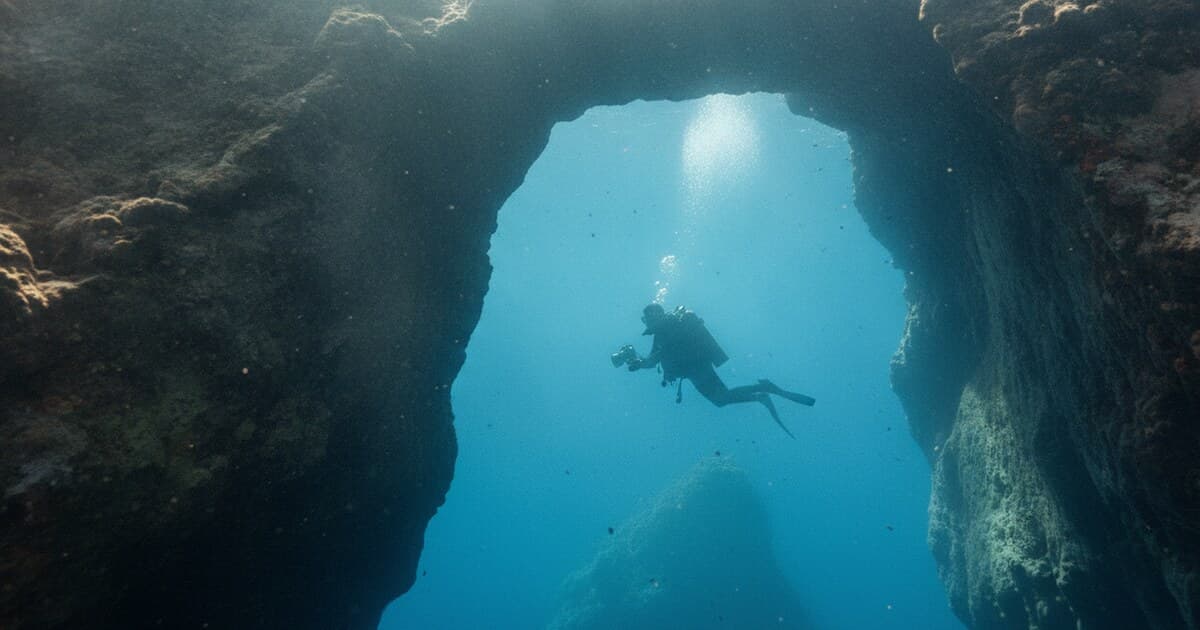
Diving the Blue Hole in Gozo: the arch, the Azure Window rubble, depths, the tricky entry, and how it differs from the Blue Hole in Dahab.
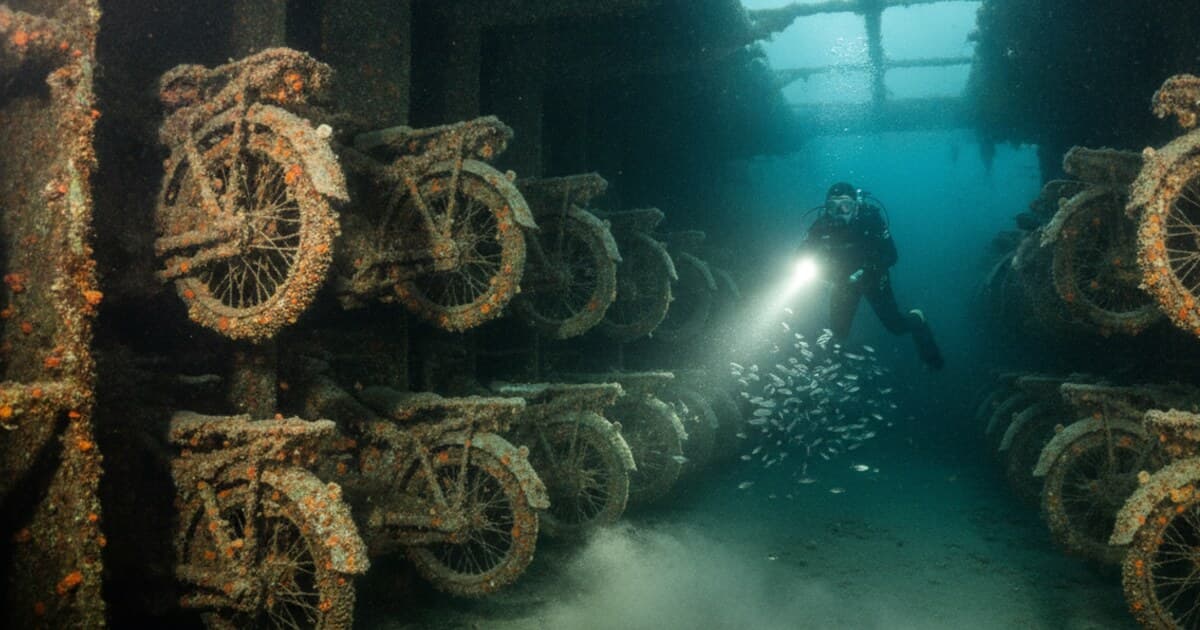
Diving the SS Thistlegorm: the 1941 sinking, what is still in the holds, the depth and certification you need, and how to reach her from Sharm.
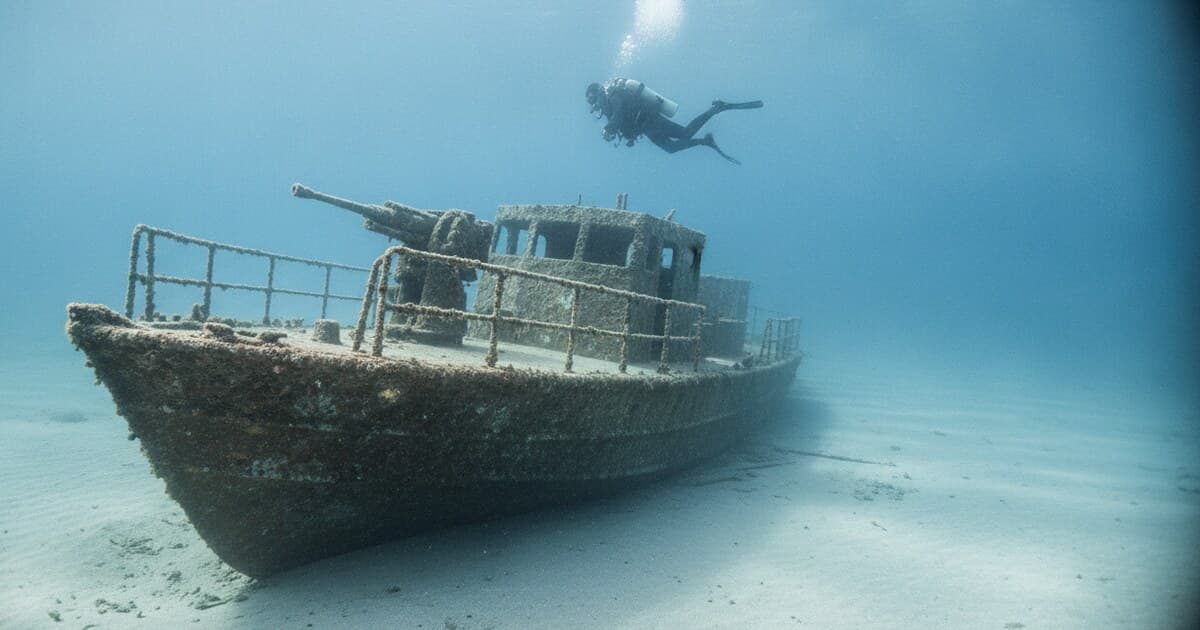
Wreck diving in Malta and Gozo: the P29, Um El Faroud, Rozi and the Gozo wrecks, with depths, certification needed and which are shore dives.