Diving in Paphos, Cyprus: Sites and Seasons
Diving in Paphos, Cyprus: shallow wrecks, the Amphitheatre, boat trips from the harbour, and the months when the west coast is at its best.
See live offers from local dive centres — pick a date and compare.
Scan for dives →Diving in Paphos, Cyprus works on a different rhythm from the island's east coast. The Zenobia crowd flies into Larnaca; Paphos gets divers who want rock reefs, shallow wrecks and short boat rides from a harbour town they can walk around in the evening. If that sounds like your kind of trip, the west coast delivers it with less traffic on the sites.
What the diving is like
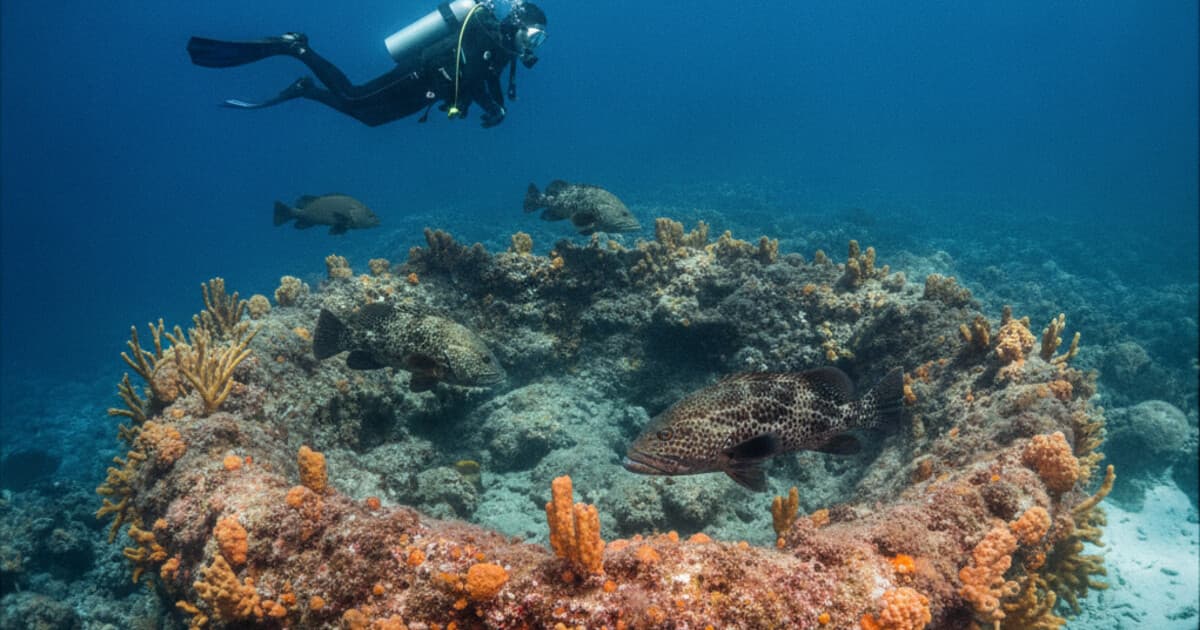
The terrain is limestone reef: bowls, gullies and small walls dressed in orange and yellow sponges, mostly between 5 and 20 metres. Visibility runs 20 metres or better on a normal day, and the morning sea is usually calm — the west coast picks up afternoon wind, so centres schedule accordingly.
The Amphitheatre is the site the town is known for: a natural rock bowl at 10-12 metres where groupers hold territory and rays pass over the sand at the edges. Manijin Island, a short boat hop out, adds swim-around rock structure with octopus and moray eels in the crevices.
Paphos also has something unusual: wrecks you can dive on an Open Water certification. The Achilleas, a Greek cargo ship that sank in 1975, lies in three sections at around 11 metres. The Vera K, a Lebanese freighter, sits at similar depth nearby. Neither has the scale of the Zenobia, which stays a day trip east, but as long, shallow, no-stress wreck dives they are hard to beat: 50-minute bottom times, natural light the whole way, and plenty of structure for fish to gather around.
What you see underwater
The west coast runs on the same cast as the rest of Cyprus, at closer range. Groupers hold the reef bowls and get territorial enough to pose. Moray eels sit in the sponge-lined cracks, octopus work the rubble in the late afternoon, and loggerhead turtles pass through the seagrass patches between sites. On the sand around the wrecks, look for rays and the occasional flying gurnard. None of it is big-animal diving, and Paphos does not pretend otherwise; it is close-quarters, slow-swimming terrain where a torch and patience pay better than covering distance.
Paphos or the east coast?
An honest comparison, since most first-time visitors ask it. Larnaca and Ayia Napa win on headline sites: the Zenobia, MUSAN and the Cavo Greko caves are all on that side. Paphos wins on rhythm: quieter sites, shorter boat rides, wrecks at training depths, and a walkable harbour town for the surface interval. Families and mixed groups of divers and non-divers tend to be happier based west; wreck-focused divers should base east and visit Paphos for a change of pace. Our Ayia Napa guide covers the other side of that choice.
When to go
The season matches the island: comfortable from May to November, peaking at 27°C in August, dropping to 16-17°C in February when a thick suit takes over. October is the quiet-water sweet spot. The full month-by-month picture is in our Cyprus diving guide.
Costs and logistics
Shore diving in Paphos tends to price a little below the east coast: guided dives around €40-55, try-dives €60-85, and Open Water courses €350-430. Boat dives from the harbour are short rides, usually two tanks in a morning. Paphos airport is 15 minutes from town, and the hotel strip puts most centres within walking distance.
Equipment is usually included for guided dives, but confirm it when you compare prices. A cheap dive with €15 of rental on top stops being cheap.
Two practical notes. Morning slots are worth taking on this coast, since the afternoon wind chops up the surface more often than it does off Larnaca. And if your trip ends with a flight out of Paphos airport, plan the last dive at least 18 hours before departure; centres will help you schedule around it.
Booking it
Rather than emailing centres one by one, scan the Paphos offers on Diving Scanner with your dates and group size: prices side by side, a small deposit online, the balance paid at the centre. Every listed centre passed a manual review before its offers went live, and the ratings you see come only from divers who completed a booking.
Frequently asked questions
+Is Paphos good for diving?
Yes, particularly for relaxed shore and boat diving. The west coast has rock reefs, two shallow wrecks and generally calm morning seas, with most sites in the 5 to 20 metre range. It suits newer divers and photographers more than depth hunters, who usually plan a day trip to the Zenobia.
+What are the best dive sites in Paphos?
The Amphitheatre is the signature reef, a sponge-covered bowl at around 10-12 metres. Manijin Island offers rock terrain with plenty of life. The Achilleas and Vera K wrecks both sit around 11 metres, shallow enough for long dives and any certification level.
+When is the best time to dive in Paphos?
May to November, same as the rest of Cyprus. The sea peaks around 27°C in August. The west coast picks up afternoon wind more than the Larnaca side, so centres usually run boats in the morning.
+Can beginners dive in Paphos?
Comfortably. Most of the coast sits shallower than 20 metres, entries are easy, and try-dives run daily in season. The two local wrecks are within Open Water depth limits, which is rare for wreck diving anywhere.
Elena covers dive destinations around the Mediterranean — where to go, when the water is worth it, and what a week of diving actually costs.
See live offers from local dive centres — pick a date and compare.
Scan for dives →Planning the trip? Diving in Cyprus →
Keep reading
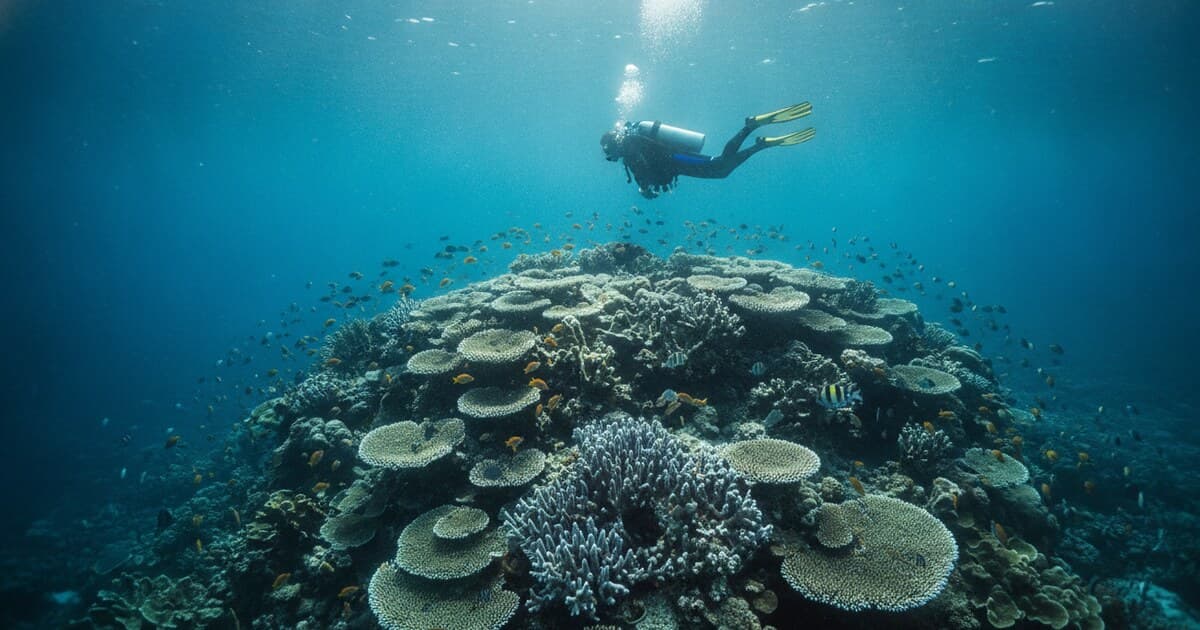
Plan your Great Barrier Reef dive trip: best sites, best season, realistic costs and how to choose between day trips and liveaboards.
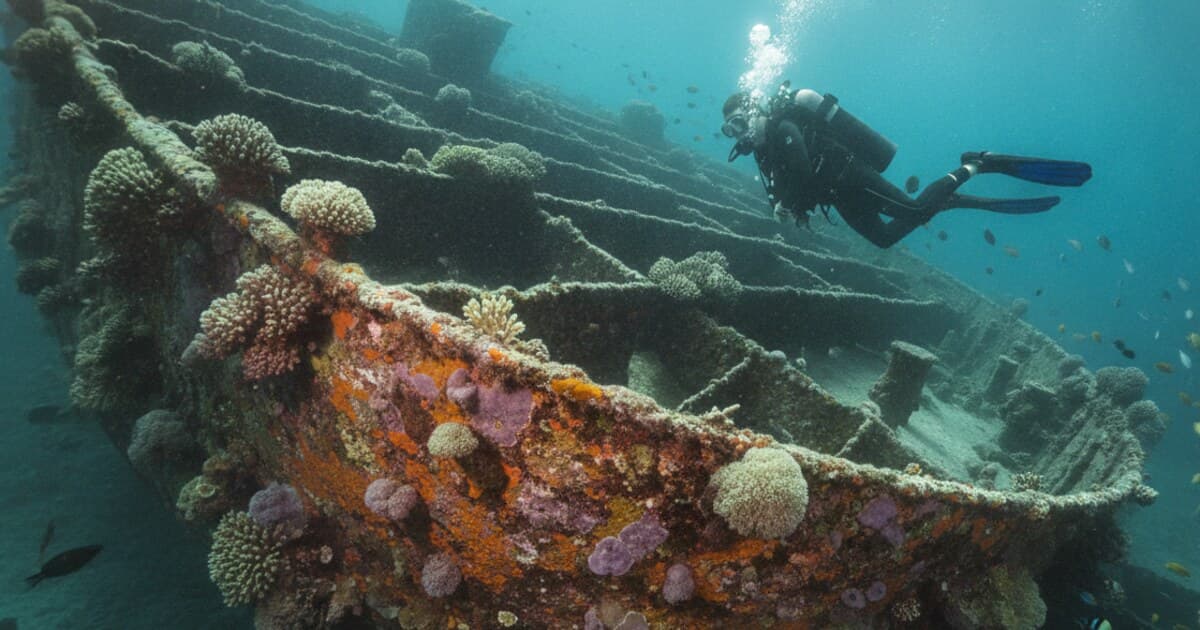
A practical guide to diving in Bali: the best sites from Tulamben to Nusa Penida, seasonal timing, realistic costs and how to find a dive centre.
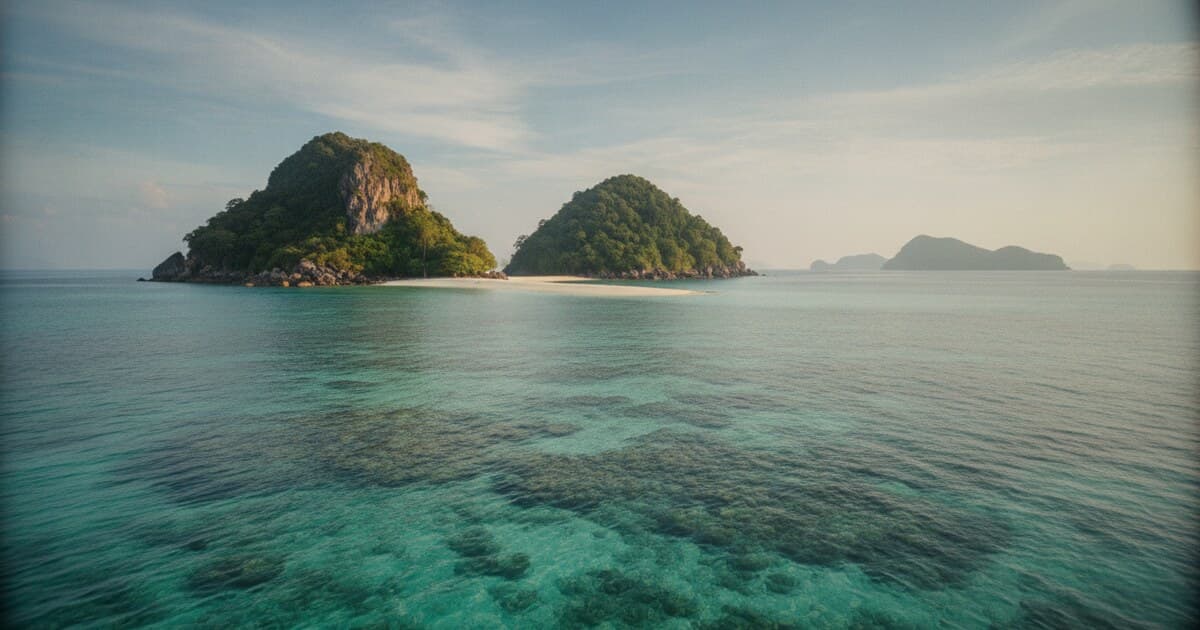
Koh Tao diving: 25+ sites, PADI Open Water from $290, and warm water year-round. This guide covers the best sites, seasons, and real costs.