Diving the Great Barrier Reef: Sites, Season and Costs
Plan your Great Barrier Reef dive trip: best sites, best season, realistic costs and how to choose between day trips and liveaboards.
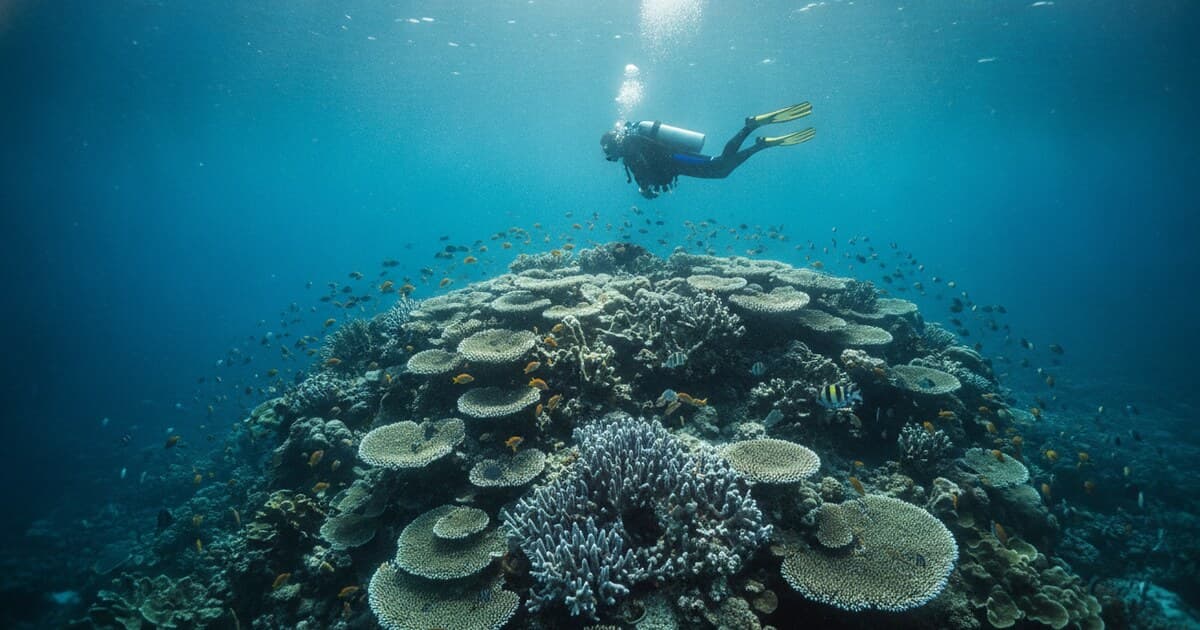
See live offers from local dive centres — pick a date and compare.
Scan for dives →The Great Barrier Reef stretches 2,300 kilometres along the Queensland coast. That's roughly the distance from London to Moscow, and most of it is underwater. For a diver, reading the statistics is one thing. Getting to the Cod Hole on Ribbon Reef No. 10 and watching potato cod the size of labradors drift past your fins is another.
What makes planning a Great Barrier Reef diving trip worthwhile is that the reef offers very different dives depending on where you go, what certification level you hold and when you travel. A day trip out of Cairns suits a newly qualified Open Water diver. A five-night liveaboard to the Coral Sea suits someone with 50+ dives and a taste for remote walls and pelagic sharks. Both are the Great Barrier Reef, but they're barely the same destination.
Diving the Great Barrier Reef suits every certification level, from supervised intro dives to advanced liveaboard expeditions. The outer reef, 90 minutes from Cairns by boat, has better coral coverage and visibility (15-25 metres) than the inner reef. The best season runs June to November. Day trips cost AUD 200-350 per person; four-night liveaboards start from around AUD 3,200.
The Great Barrier Reef as a Dive Destination
The GBR extends along the Queensland coast from Cape York in the far north to Bundaberg in the south. Most dive tourism concentrates around Cairns and Port Douglas because international flights come in, accommodation is dense and liveaboard departures are frequent. Townsville, 350 km south of Cairns, is the access point for the Yongala wreck.
The reef divides into two different environments. The inner reef, within 30-40 km of the coast, is affected by runoff and wave action; visibility often sits around 8-12 metres and most snorkelling day trips stay there. The outer reef sits 60-90 km offshore, with clearer water, stronger fish life and the walls and drift sites that experienced divers travel for.
The Great Barrier Reef is the world's largest coral reef ecosystem, extending approximately 2,300 km along the Queensland coast and covering around 344,400 km². It contains more than 2,900 individual reefs, 900 islands and supports over 1,625 species of fish and 4,000 mollusc species. The reef received UNESCO World Heritage status in 1981. Water temperatures range from around 22°C in the cooler winter months (June-August) to 29°C in summer (December-February), making it diveable year-round without a drysuit. Visibility on the outer reef typically reaches 15-25 metres; some sites on the Ribbon Reefs north of Cairns report up to 60 metres on the clearest days. The Australian Marine Parks Authority charges an Environmental Management Charge of around AUD 6.50 per person per day, which most commercial dive operators include in their published trip price.
A 3mm wetsuit covers most of the year comfortably. In winter (June-August), when water drops closer to 22°C, a 5mm is worth considering for longer dives.
Top Dive Sites in the Great Barrier Reef
Cairns day-trip sites are where most visiting divers start. Moore Reef, Flynn Reef, Milln Reef and Hastings Reef all sit on the outer barrier within 90 minutes of Cairns. Depths run from 8m to around 24m, keeping them within Open Water limits. Turtle sightings are reliable, reef sharks are common and coral coverage is dense enough to reward multiple dives on the same site. Two or three dives are standard per trip.
Ribbon Reefs run north of Cairns and are mostly accessible by liveaboard. They're narrower than the main barrier sections, which concentrates marine life along the walls. Ribbon Reef No. 10 is home to the Cod Hole: giant potato cod up to 1.5 metres long and 100 kg have been associating with divers here since the 1970s and approach without hesitation. The site reaches about 18m and has strong fish life throughout.
Osprey Reef sits in the Coral Sea, roughly 350 km east of Cairns, reachable only by liveaboard. North Horn is a pinnacle descending past 40m where grey reef sharks, white tip reef sharks and silvertips gather at a natural cleaning station. The surrounding walls are draped in soft corals and see regular pelagic traffic. Advanced Open Water certification is the practical minimum here.
SS Yongala, near Townsville, is consistently ranked the best wreck dive in Australia. The 109-metre passenger steam ship sank in a cyclone on 23 March 1911 with 122 people on board; the wreck wasn't located until 1958. It rests on a sandy bottom at 33m, tilted on its side, every surface smothered in marine life: bull sharks, sea snakes, giant Queensland grouper, batfish and schools of fish so dense the hull looks alive. An Open Water cert is the minimum; Advanced is recommended given the depth and the current that frequently sweeps across the site.
Best Time to Dive the Great Barrier Reef
June to November is the most reliable window. The dry season delivers calmer seas, lighter winds and better visibility on the outer reef. September and October are the sweet spot: visibility peaks, conditions are settled and a 3mm wetsuit is comfortable.
June and July bring a seasonal event specific to the northern GBR: dwarf minke whale encounters on the Ribbon Reefs. Around 100 of these whales spend their winter on the reef, and a small number of liveaboard operators hold permits for in-water encounters. It's one of the very few places in the world where this happens reliably and legally.
August to October is humpback whale season. Humpbacks move north through the Coral Sea from Antarctic feeding grounds, and Coral Sea liveaboards regularly encounter them on surface intervals and transits between sites.
December to March is the wet season. Cyclone risk is real, particularly January to March, and some liveaboards pull back to inshore routes. Visibility drops on the outer reef, though water temperatures rise and marine life stays active. Inner reef sites often dive well through the wet season regardless.
Costs: Day Trips vs. Liveaboards
Outer reef day trips from Cairns cost AUD 200-350 per person and include two or three dives. Intro dives for uncertified divers (supervised by an instructor, maximum 12m depth) add roughly AUD 80-130 on top. The Environmental Management Charge is usually folded into the listed price, but it's worth confirming when you book.
Inner reef trips run under AUD 200 and are mostly targeted at snorkellers. For scuba diving, the outer reef is the correct target.
Liveaboards cover more ground and offer unlimited diving over several days. A three-day, two-night trip runs roughly AUD 700-1,200 per person. Four nights with an established operator costs AUD 3,200 or more. The price difference reflects itinerary scope, cabin standard and crew-to-diver ratios.
Open Water courses in Cairns typically cost AUD 500-800. Nitrox certification, useful for extending no-decompression limits at typical GBR depths, adds AUD 200-350 through most operators.
Planning Your Great Barrier Reef Trip
Your access point shapes what's practical. Cairns has the highest concentration of day-trip operators and liveaboard departures. Port Douglas, 70 km north, is closer to the Agincourt Reefs on the outer ribbon system. Townsville is the only practical base for the Yongala.
Certification level determines the range of sites. Open Water divers can cover the Cairns outer reef day sites and shallower Ribbon Reef dives. Advanced Open Water opens up Osprey Reef and makes the Yongala at 33m more manageable. If you're not certified yet, Cairns centres run full Open Water courses in three to four days, and several liveaboards accept beginners enrolled in their own course.
Trip length scales with what you want to see. Two days of outer reef day trips covers the main Cairns sites well. A four-night liveaboard reaches the Ribbon Reefs and sometimes Osprey. The Yongala warrants a side trip to Townsville and two nights to fit two dives on the wreck.
One practical detail for the end of your trip: Australia is a long way from Europe and North America, and most return flights are multi-leg. Read up on the recommended gap between your last dive and your flight home before you lock in departure times. It's also worth sorting your scuba gear packing list well in advance. A wetsuit or dive computer bought in the UK typically costs less than hiring locally across a week of diving.
Browse Great Barrier Reef dive centres and available dates on Diving Scanner. The party size filter shows only trips with enough places for your whole group on the same slot.
Frequently asked questions
+Do you need a certification to dive the Great Barrier Reef?
For independent scuba diving, you need a minimum Open Water certification. Non-certified divers can book supervised intro dives with an instructor, which go to around 12 metres. Full Open Water courses are available through Cairns and Port Douglas dive centres and take three to four days. Several liveaboards also offer courses so you can certify during the trip.
+What is the best time of year to dive the Great Barrier Reef?
June to November is the most reliable window, with calmer seas and better visibility on the outer reef. September and October offer peak visibility conditions. June and July bring dwarf minke whale encounters on the Ribbon Reefs. August to October is humpback whale season. The wet season (December-March) is possible but brings reduced visibility and some cyclone risk.
+Is the Great Barrier Reef worth diving?
Yes, the range and scale make it worth the journey. A single outer reef day trip from Cairns covers coral gardens, walls and drift sites with regular reef sharks, turtles and schooling fish. Liveaboards push to the Ribbon Reefs and Coral Sea for sites including the Cod Hole and Osprey Reef that sit in a different category from most diving anywhere.
+How long does a Great Barrier Reef dive trip take?
Outer reef day trips from Cairns run 8-10 hours including transit. Liveaboards range from two nights to five or more. For the Yongala wreck near Townsville, most divers spend two nights to allow two dives on the wreck. Budget at least four nights for a Ribbon Reefs or Coral Sea liveaboard itinerary.
Elena covers dive destinations around the Mediterranean — where to go, when the water is worth it, and what a week of diving actually costs.
See live offers from local dive centres — pick a date and compare.
Scan for dives →Planning the trip? Diving in Australia →
Keep reading
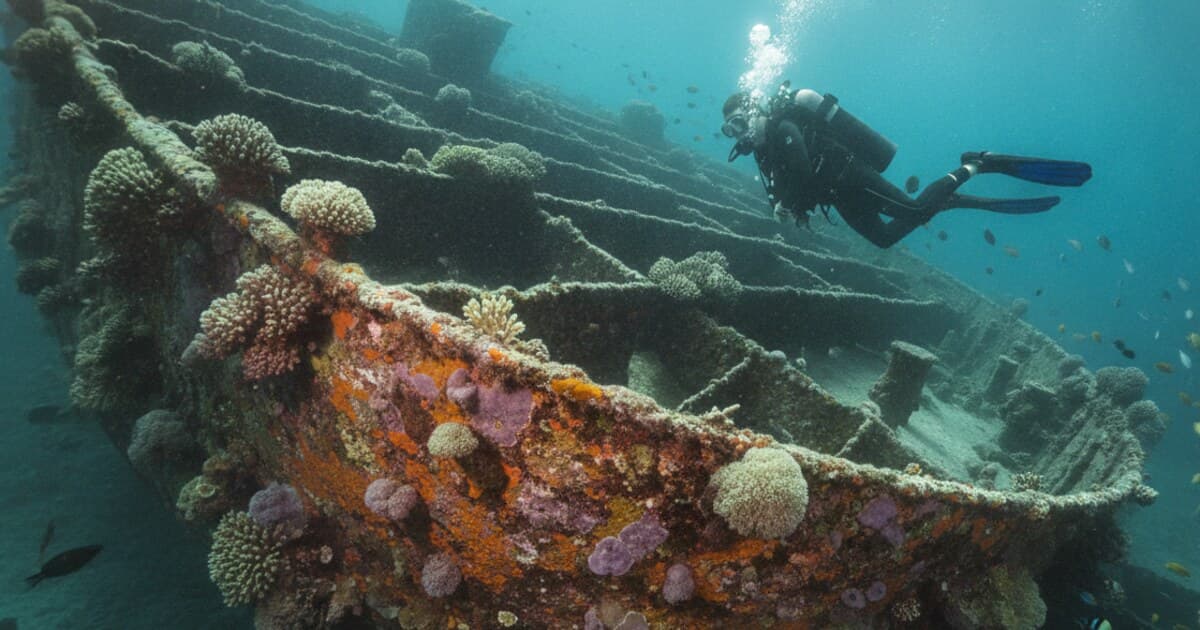
A practical guide to diving in Bali: the best sites from Tulamben to Nusa Penida, seasonal timing, realistic costs and how to find a dive centre.
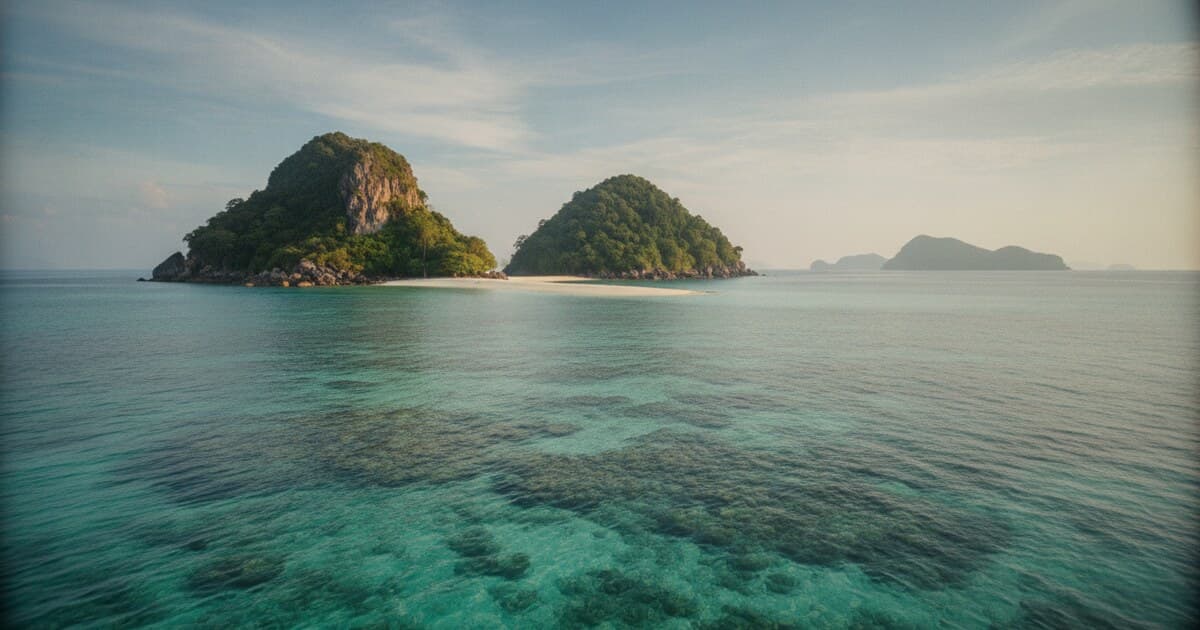
Koh Tao diving: 25+ sites, PADI Open Water from $290, and warm water year-round. This guide covers the best sites, seasons, and real costs.
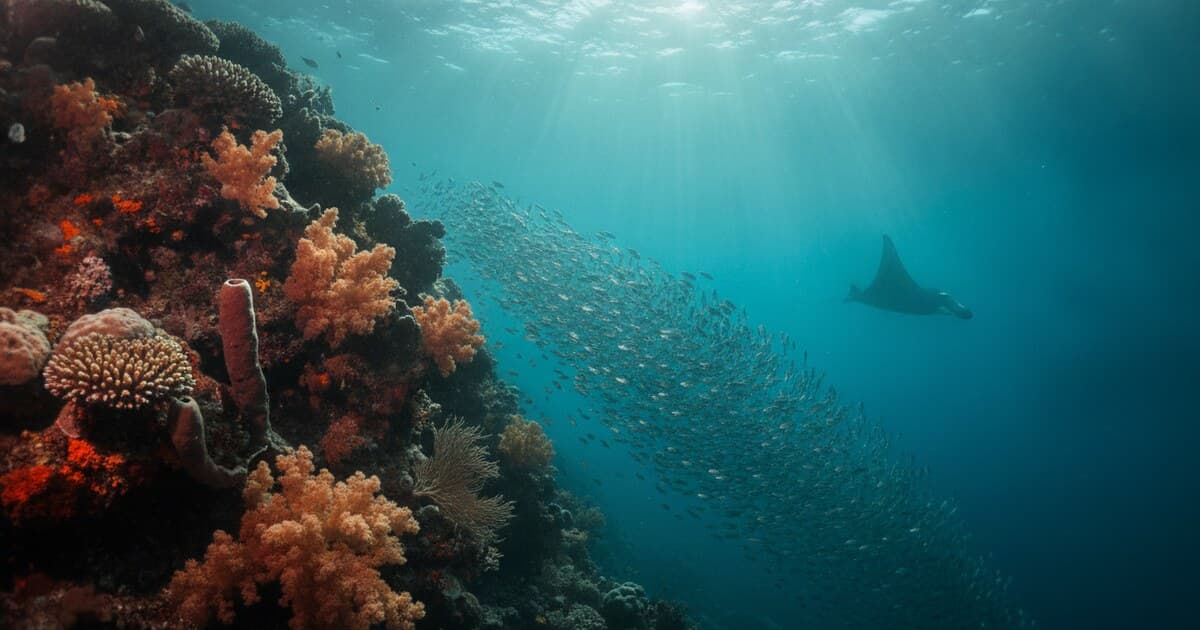
Plan your Raja Ampat dive trip: best sites, season, costs and the liveaboard vs resort question answered with current prices and certification requirements.