Beginner Scuba Diving: How to Start
Beginner scuba diving without the mystique: try dive or course, the swimming question, common worries answered, and what your first season looks like.
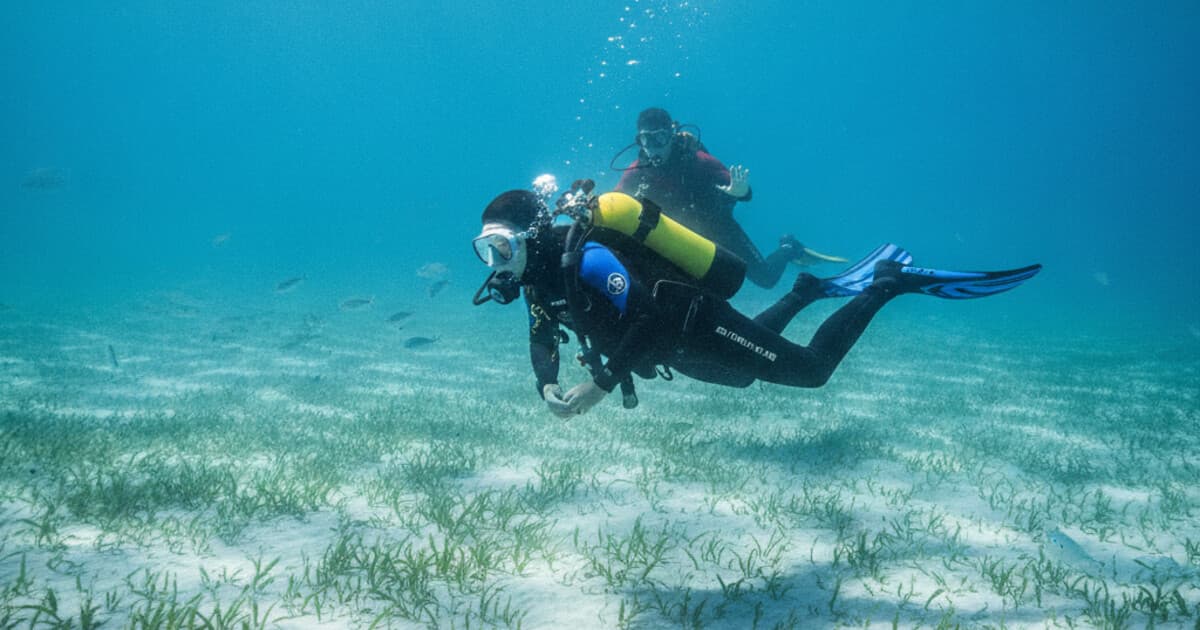
First-time and discover-scuba experiences — no certification needed.
Try diving →Beginner scuba diving has two honest entry doors, and picking the right one saves money and nerves: the half-day try dive, and the three-to-four-day certification course. This guide covers both, answers the worries almost every beginner brings, and sketches what your first season underwater actually looks like.
Door one: the try dive
If you are not sure diving is for you, spend a morning finding out. A discover scuba session needs no experience: briefing, shallow-water practice, then a guided dive at gentle depths with an instructor beside you. €60-90, equipment included, and at many centres it counts towards the course if you continue. This is the right door for the curious and the nervous.
Door two: straight to certification
If you already know you want this — you snorkel every holiday, you have watched enough documentaries — skip the taster and take the Open Water course. Three to four days, €350-450 in the Mediterranean, and you finish licensed to dive to 18 metres with a buddy anywhere in the world. Do the theory online before you travel and the course fits a week's holiday with days left over.
The worries, in order of frequency
Swimming. You do not need to be a strong swimmer for a try dive; you do need to complete a 200-metre swim and a 10-minute float for certification. No time limits, any stroke. Comfort is the bar, not speed.
Claustrophobia. Open water is the opposite of a confined space; most people describe the feeling as flying. The mask takes an hour to stop noticing. If a pool session feels manageable, the sea feels better.
Ears. You will learn to equalise on day one — the same pop as a plane, done early and often. It is technique, not tolerance, and instructors watch for it constantly with new divers.
Fitness and age. Recreational diving is unhurried. The medical questionnaire, not age, is the gate: juniors start at 10 on restricted programmes, and there is no upper limit with a doctor's sign-off where the form asks for one.
Your first season, roughly
A sensible first year looks like: try dive or course somewhere warm and calm (Cyprus is built for it — see our guide), then 10-15 easy guided dives to let buoyancy become automatic, then the Advanced course only when a dive you want actually requires it. Depth is a tool, not a scoreboard, and the divers who last are the ones who enjoyed the shallow years.
Booking the first step
Whichever door you pick, compare before you book: first-time offers or courses with your dates and group size, prices upfront, a small deposit online and the balance at the centre. Every listed centre passed a manual review, and ratings come only from divers who completed a booking.
Frequently asked questions
+Do you need to be able to swim to scuba dive?
For a try dive, basic water comfort is enough — you wear a buoyant jacket and an instructor stays beside you. For certification, agencies require a 200-metre swim (any stroke, no time limit) and 10 minutes of floating. Comfortable rather than athletic is the standard.
+Is scuba diving hard to learn?
The skills are simple and taught one at a time in shallow water. What takes practice is calm, slow breathing and buoyancy, and both arrive with a few dives. Most people find the theory easier than expected and the water work more fun than expected.
+Is scuba diving safe for beginners?
Within its rules, yes — beginner diving happens in calm, shallow sites with an instructor, conservative depth limits and equipment checked before every dive. The rules exist because the sea is indifferent to enthusiasm; follow them and the risk profile is comparable to other active holiday sports.
+I wear glasses — can I dive?
Yes. Soft contact lenses work fine under a mask, and prescription masks are stocked or orderable at many centres. Mention it when booking and it stops being a problem before it starts.
+What should my first dives after certification be?
Easy, shallow, guided ones — ideally somewhere warm with good visibility. Book guided dives for your first post-course season; you will learn faster following a guide than navigating for yourself.
Priya writes for people thinking about their first dive — what happens on the day, what the nerves are like, and which questions are worth asking the centre.
First-time and discover-scuba experiences — no certification needed.
Try diving →Keep reading
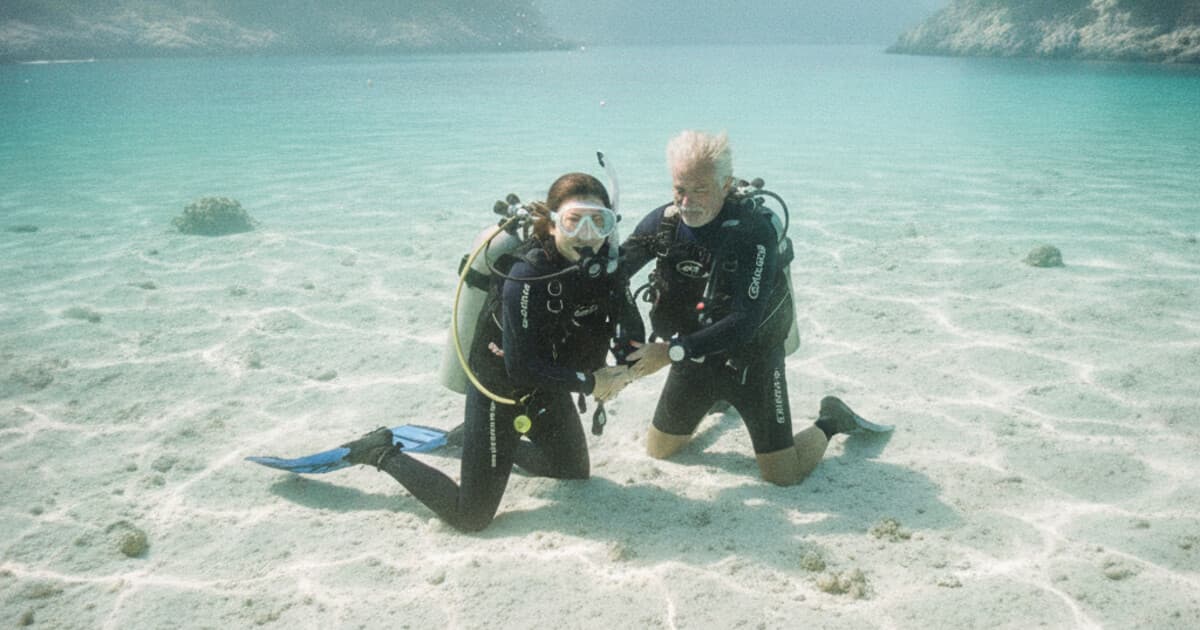
What actually happens on a discover scuba diving session: the briefing, the first breath underwater, depth limits, and how it counts towards a course.
Plan your Great Barrier Reef dive trip: best sites, best season, realistic costs and how to choose between day trips and liveaboards.
A practical guide to diving in Bali: the best sites from Tulamben to Nusa Penida, seasonal timing, realistic costs and how to find a dive centre.