Discover Scuba Diving: What a Try Dive Is Like
What actually happens on a discover scuba diving session: the briefing, the first breath underwater, depth limits, and how it counts towards a course.
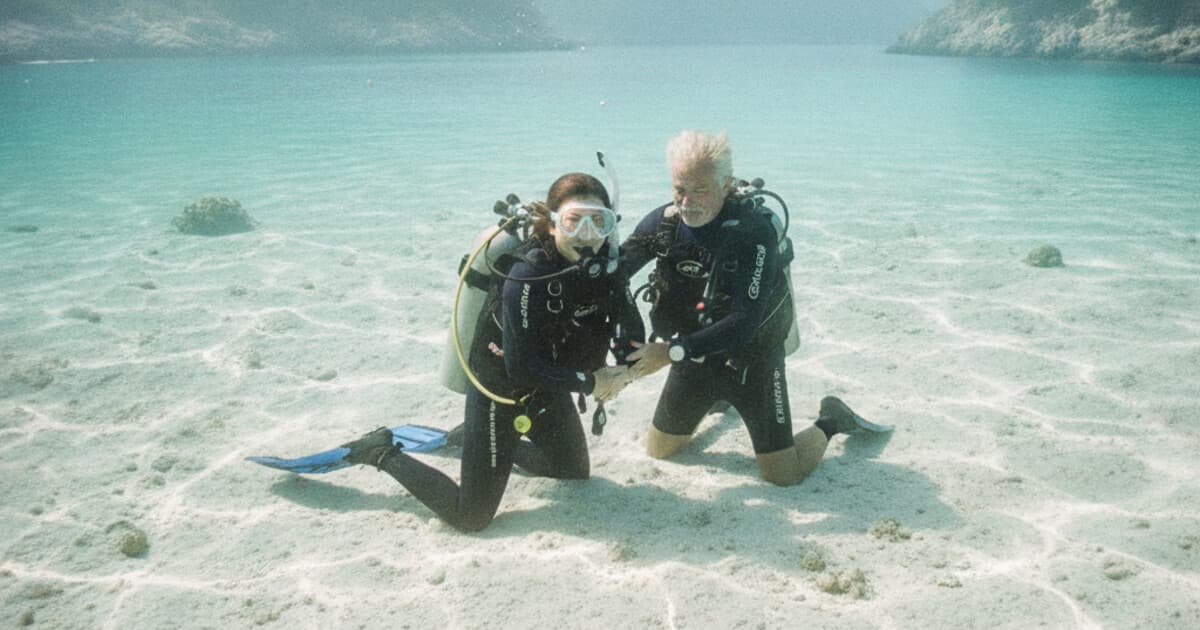
First-time and discover-scuba experiences — no certification needed.
Try diving →Discover scuba diving is the industry's name for the supervised first dive you can do with no certification, no experience and no more commitment than half a day. It is how most divers started, and knowing what actually happens removes most of the nerves people bring to it.
How the session runs
The shape is the same at almost every centre. You fill in a short medical questionnaire, then an instructor walks you through the few things that matter: how to breathe from the regulator (constantly, never holding it), how to clear water from your mask, and the hand signals for OK and up.
Then you practise exactly those things standing or kneeling in shallow, calm water until they feel ordinary. Only then do you actually go diving: a slow, guided swim, usually between 4 and 12 metres, with the instructor next to you the whole time. In Cyprus this typically happens somewhere like Green Bay, a sandy bay where the fish greet newcomers professionally.
The first breath underwater is the moment everyone remembers. It feels wrong for about ten seconds and then, quite suddenly, normal.
The rules that keep it safe
Try dives run to stricter limits than certified diving: an instructor with you at all times, small groups, a hard depth ceiling of 12 metres, and calm sites chosen for easy conditions. Minimum age is 10 at most centres. The medical form matters — a few conditions need a doctor's sign-off first, so check it before travelling rather than at the counter.
What it costs and where it leads
Expect €60-90 in the Mediterranean, equipment included. If the session clicks, many centres credit it towards the Open Water course, so the try dive becomes lesson one rather than a dead end. If it doesn't click, you have spent a morning and know something about yourself; nothing obliges you to continue.
For a sense of what you would be working towards, our beginner's guide maps the whole path, and the Cyprus guide shows what a first dive destination looks like when it is good.
Booking one
Try dives run daily in season at most warm-water centres, but small groups fill up. Search first-time offers with your date and party size to compare what nearby centres charge and when they have space. A small deposit books it online; the balance is paid at the centre.
Frequently asked questions
+Do I need any experience for a discover scuba dive?
None. The session assumes you have never breathed from a regulator before. You need basic water comfort, a completed medical questionnaire and roughly half a day; the instructor handles everything else.
+How deep do you go on a try dive?
Most programmes cap the first experience at 12 metres, and many first dives stay shallower than 6. The point is breathing, buoyancy and looking at fish, none of which improves with depth.
+Does a try dive count towards certification?
Often, yes. Many centres credit the skills and the dive towards the Open Water course if you continue within a set period, usually with the same centre. Ask before you book if you think the course might follow.
+What if I panic underwater?
You surface, and that is fine. You are always with an instructor, always within easy reach of the surface at try-dive depths, and the pre-dive practice in shallow water exists exactly so the strange parts stop being strange before you go anywhere. Plenty of nervous starters finish the session asking about the course.
Priya writes for people thinking about their first dive — what happens on the day, what the nerves are like, and which questions are worth asking the centre.
First-time and discover-scuba experiences — no certification needed.
Try diving →Keep reading
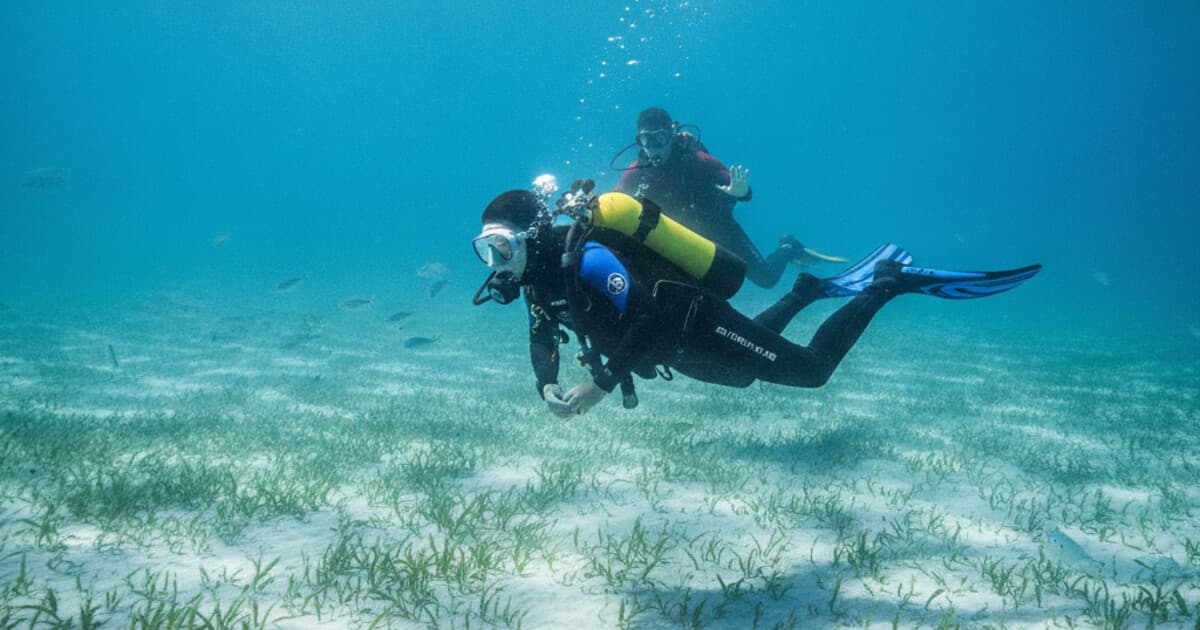
Beginner scuba diving without the mystique: try dive or course, the swimming question, common worries answered, and what your first season looks like.
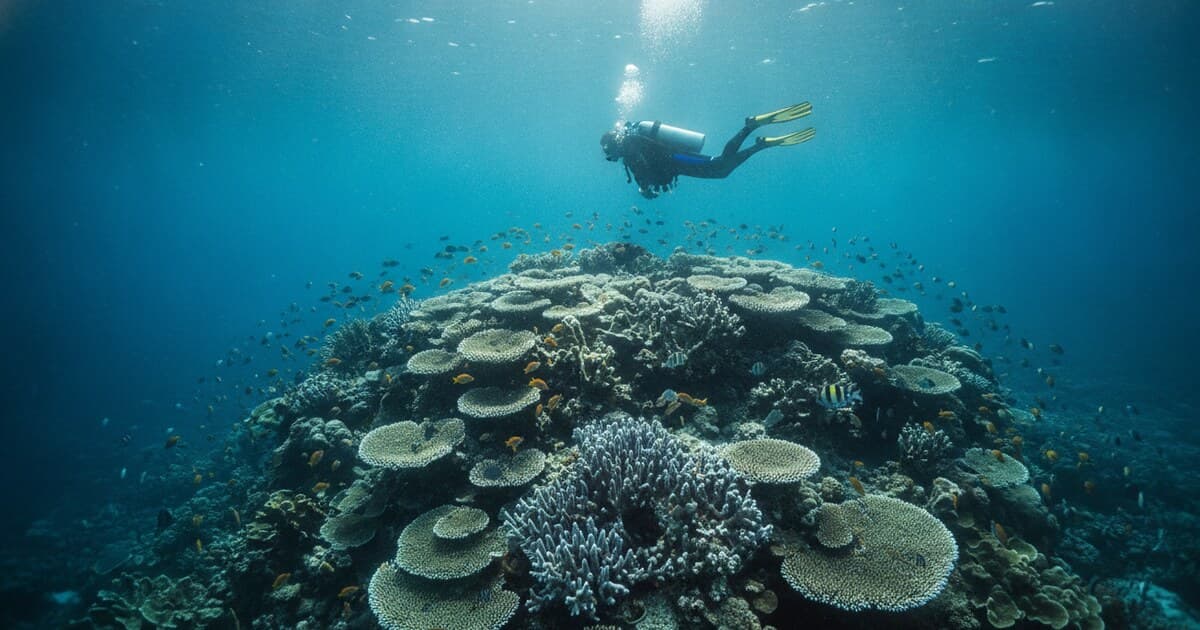
Plan your Great Barrier Reef dive trip: best sites, best season, realistic costs and how to choose between day trips and liveaboards.
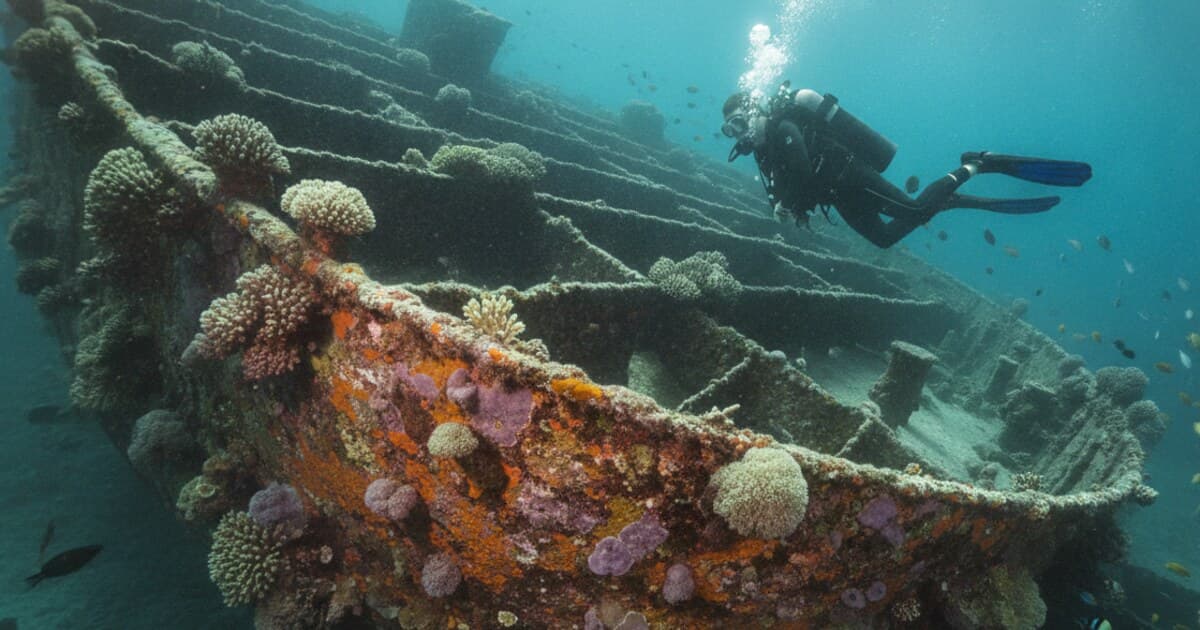
A practical guide to diving in Bali: the best sites from Tulamben to Nusa Penida, seasonal timing, realistic costs and how to find a dive centre.