Diving in Fiji: Sites, Islands, Seasons and Costs
Fiji diving guide: best sites (Rainbow Reef, Beqa Lagoon), which island suits your level, dry vs wet season, and what scuba costs in 2026.
See live offers from local dive centres — pick a date and compare.
Scan for dives →Fiji diving takes place across one of the largest reef systems in the world. The 333-island archipelago spreads across 1.3 million square kilometres of South Pacific Ocean, and less than 20% of the underwater terrain has been formally surveyed. Scientists are still finding new sites.
The diving varies by island and depth. Outer reef walls plunge into 1,000-metre trenches. Shallow lagoons wind through fields of soft coral so dense they look planted. Bull sharks circle a marine reserve off Viti Levu's south coast in numbers that make it one of the most dramatic shark encounters available to recreational divers anywhere.
Fiji diving is possible year-round, with the dry season (May to November) offering the sharpest visibility and most stable conditions. Top sites include Rainbow Reef and the Great White Wall near Taveuni, Beqa Lagoon for bull shark encounters, and the Mamanuca Islands for beginners. A single day trip costs roughly USD 80-130 depending on the operator and island.
Search for verified Fiji dive operators on Diving Scanner, and filter by destination and date to see available slots.
Best Fiji Diving Sites
Fiji's reef system covers the 333-island archipelago across 1.3 million square kilometres of South Pacific Ocean. Water temperature ranges from 24°C in the austral winter (June to August) to 29°C in summer (December to February), making a 3mm wetsuit comfortable for most of the year. Visibility averages 25-30 metres at inner lagoon sites and regularly exceeds 40 metres on outer walls during the dry season.
The Somosomo Strait, between Taveuni and Vanua Levu, holds the highest documented soft coral density in the Pacific: over 200 species catalogued in a single strait. Beqa Lagoon's 39-kilometre coral ring contains more than 100 marked dive sites, including the Shark Reef Marine Reserve, where structured bull shark dives run year-round with 6-8 species typically present.
Fiji's waters total more than 1,200 fish species and 300 hard coral varieties across the archipelago. Less than 20% of the full reef system has been formally surveyed, making new discoveries routine for experienced divers.
Rainbow Reef and the Great White Wall, Taveuni
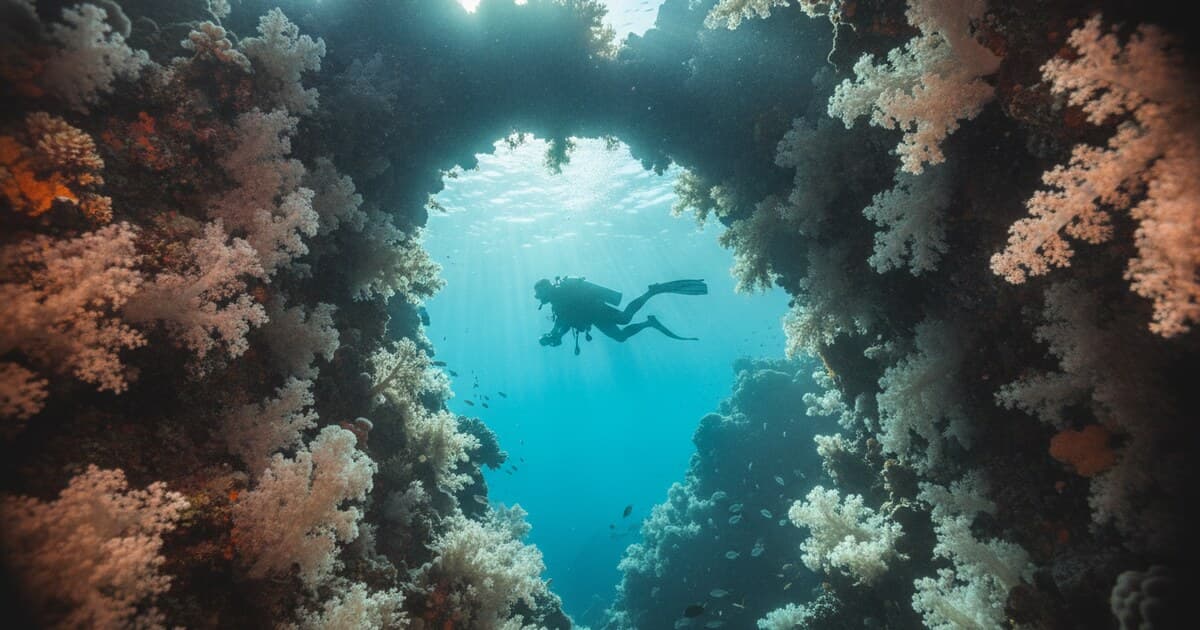
Rainbow Reef runs through the Somosomo Strait on Taveuni's north-west coast. Most sites sit between 5 and 25 metres, with soft coral lining every surface from the shallows down. The headline dive is the Great White Wall: a vertical drop carpeted in white leather coral, reached through a swim-through at around 12 metres.
The wall extends below 30 metres and is Fiji's most-photographed dive.
Open Water certification covers most Rainbow Reef dives. Current in the Strait picks up in the afternoon, so morning dives tend to be calmer.
Beqa Lagoon, Beqa Island
The Shark Reef Marine Reserve inside Beqa Lagoon runs structured bull shark dives year-round. You descend to around 25-30 metres and encounter 6-8 shark species: bull sharks, silvertips, blacktips, whitetips and occasionally tigers. The dive is guided throughout, with specific positioning protocols followed at depth.
A conservation fee is built into the dive cost and funds the anti-poaching patrols that keep the reserve viable. Advanced Open Water is recommended, given the depth and the current management skills useful when sharks approach.
Mamanuca Islands
The Mamanucas run 20-25 kilometres off Nadi and are the most accessible entry point for diving in Fiji. Lagoon sites run 5-18 metres in calm conditions, well suited to Open Water divers. Namotu Wall at the outer edge of the group drops onto a 1,000-metre ocean shelf and draws pelagic visitors, including hammerheads, in season.
Bligh Waters and Kadavu
Bligh Waters, the channel between Viti Levu and Vanua Levu, carries nutrient-rich currents that feed dense hard coral formations at 15-35 metres. Sites here suit intermediate to advanced divers comfortable with current.
Kadavu island anchors the Great Astrolabe Reef, one of the largest barrier reefs on earth. It repays the extra travel effort with near-pristine conditions and very few other divers in the water.
Which Island Is Best for Fiji Diving?
The answer depends on what you're there for.
Taveuni is the island for reef quality. Rainbow Reef and the Great White Wall are world-class, and the soft coral density in the Somosomo Strait is matched in very few places globally. Getting there requires a 45-minute domestic flight from Nadi and a dive resort as your base.
It suits experienced divers prioritising quality over convenience.
Beqa is the choice if bull sharks are the point. Day trips from Pacific Harbour on Viti Levu's south coast take around 45 minutes. The Shark Reef Marine Reserve experience sits apart from anything else available in the Pacific.
Viti Levu's south coast is the practical base for mixed-ability groups. You get access to Beqa Lagoon day trips alongside a wider range of accommodation and easier logistics.
Mamanuca Islands suit beginners and divers adding Fiji to a beach trip rather than building the whole itinerary around it. Day boats from Nadi take 30-60 minutes depending on the island.
Kadavu rewards planning effort. Remote by Fiji standards (domestic flight or slow ferry from Suva), it offers the Great Astrolabe Reef with genuinely uncrowded conditions.
If you're planning a broader Pacific itinerary, diving the Great Barrier Reef is a natural pairing if you're flying through Sydney, and Palau covers the other end of the Pacific spectrum with Blue Corner drift dives and Jellyfish Lake.
Best Time to Dive in Fiji
Fiji can be dived year-round, but conditions shift meaningfully by season.
Dry season (May to November) is when conditions peak. Visibility is sharpest, often 30-40 metres on outer reefs. Trade winds pin down the weather and keep surface conditions stable.
Water temperature sits around 24-26°C, comfortable in a 3mm wetsuit. June to September is the most consistently good stretch.
Wet season (December to April) is warmer (27-29°C) with heavier rainfall and occasional afternoon storms. Visibility drops at some inner reef sites after rain stirs up sediment. Cyclone season runs December to April, though most years pass without major disruption to dive operations.
Highlights by period:
- Bull sharks at Beqa Lagoon: 12 months
- Whale sharks (northern Fiji, Bligh Waters): December to February
- Manta rays (Kadavu area): April to October
- Hammerheads (Namotu Wall): June to September
For underwater photographers, June to September gives the best combination of visibility, light and subject density.
How Much Does Fiji Diving Cost?
A single certified dive on a day trip costs roughly USD 80-130, covering tank, weights and a guide. Multi-tank day trips (2-3 dives) run USD 140-220. Rental gear (BCD, regulator, wetsuit) adds around USD 20-40 per day.
The Beqa Lagoon bull shark dive costs USD 150-200 per person. The higher price reflects the marine reserve conservation fee, which funds the anti-poaching programme directly.
A PADI Open Water course in Fiji typically costs USD 400-600, depending on the operator and whether you complete e-learning before you arrive. Arriving with e-learning done saves roughly a full day at the dive centre and reduces the in-country cost.
All-inclusive 7-night dive resort packages (2 dives per day) range from USD 1,500 to USD 3,300. Budget operators on Viti Levu sit at the lower end; premium remote resorts in Taveuni and Kadavu at the upper end. There's no blanket dive tax: Beqa Lagoon's conservation fee is built into the quoted dive price, not charged separately.
Planning Your Fiji Diving Trip
What certification do you need? Open Water covers the vast majority of Fiji's dive sites, including Rainbow Reef, the Mamanucas and most of Beqa Lagoon's outer reefs. The Beqa bull shark dive recommends Advanced Open Water, given the 25-30 metre depth and the current management skills useful when sharks approach. Bligh Waters sites with current suit divers with 20+ logged dives alongside their AOW card.
Flying and diving: Fiji is a long-haul destination from most departure points: 10 hours from Sydney, around 11 hours from Los Angeles, 23-24 hours from London. DAN and PADI both recommend waiting at least 18-24 hours after your last dive before boarding a flight. Book your final dive day with that buffer built into the itinerary rather than leaving it to chance.
When to book: Dry-season dates at popular dive resorts (June to September) fill 3-4 months in advance. The Beqa bull shark dive operates daily but fills quickly in peak season. Wet-season travel (December to March) offers lower rates and smaller groups in the water.
Use Diving Scanner to search verified Fiji dive operators by destination and date, so you can see which centres have slots that match your travel window.
Frequently Asked Questions
How much does scuba diving cost in Fiji?
A certified dive on a day trip runs roughly USD 80-130. Multi-tank days (2-3 dives) cost USD 140-220. The Beqa Lagoon bull shark dive is USD 150-200, including the marine reserve fee. A PADI Open Water course costs USD 400-600 depending on the operator. All-inclusive 7-night dive resort packages range from USD 1,500 to USD 3,300.
Which island in Fiji is best for scuba diving?
Taveuni for reef quality (Rainbow Reef and the Great White Wall), Beqa for bull shark diving, the Mamanuca Islands for beginners with easy access from Nadi, and Kadavu for pristine reef with minimal crowds. The right answer depends on your certification level, your base and what you're specifically there to see.
Do you need a certification to dive in Fiji?
Introductory Discover Scuba dives are instructor-led and don't require prior certification. For independent diving on any reef site, Open Water is the standard entry requirement. The Beqa bull shark dive recommends Advanced Open Water given the depth and positioning protocols involved.
When is the best time for Fiji diving?
May to November, with June to September as the most consistent stretch. Visibility peaks at 30-40 metres on outer reefs, weather is stable, and water temperature (24-26°C) suits a 3mm wetsuit. Whale sharks visit Bligh Waters in December to February if that's a priority.
Planning a scuba diving trip to Fiji? Diving Scanner lets you search verified dive centres by destination and date, compare what's on offer and book direct. Start at divingscanner.net.
Frequently asked questions
+How much does scuba diving cost in Fiji?
A certified dive on a day trip runs roughly USD 80-130. Multi-tank days (2-3 dives) cost USD 140-220. The Beqa Lagoon bull shark dive is USD 150-200, including the marine reserve fee. A PADI Open Water course costs USD 400-600 depending on the operator. All-inclusive 7-night dive resort packages range from USD 1,500 to USD 3,300.
+Which island in Fiji is best for scuba diving?
Taveuni for reef quality (Rainbow Reef and the Great White Wall), Beqa for bull shark diving, the Mamanuca Islands for beginners with easy access from Nadi, and Kadavu for pristine reef with minimal crowds. The right answer depends on your certification level, your base and what you're specifically there to see.
+Do you need a certification to dive in Fiji?
Introductory Discover Scuba dives are instructor-led and don't require prior certification. For independent diving on any reef site, Open Water is the standard entry requirement. The Beqa bull shark dive recommends Advanced Open Water given the depth and positioning protocols involved.
+When is the best time for Fiji diving?
May to November, with June to September as the most consistent stretch. Visibility peaks at 30-40 metres on outer reefs, weather is stable, and water temperature (24-26°C) suits a 3mm wetsuit. Whale sharks visit Bligh Waters in December to February if that's a priority.
Elena covers dive destinations around the Mediterranean — where to go, when the water is worth it, and what a week of diving actually costs.
See live offers from local dive centres — pick a date and compare.
Scan for dives →Planning the trip? Diving in Fiji →
Keep reading
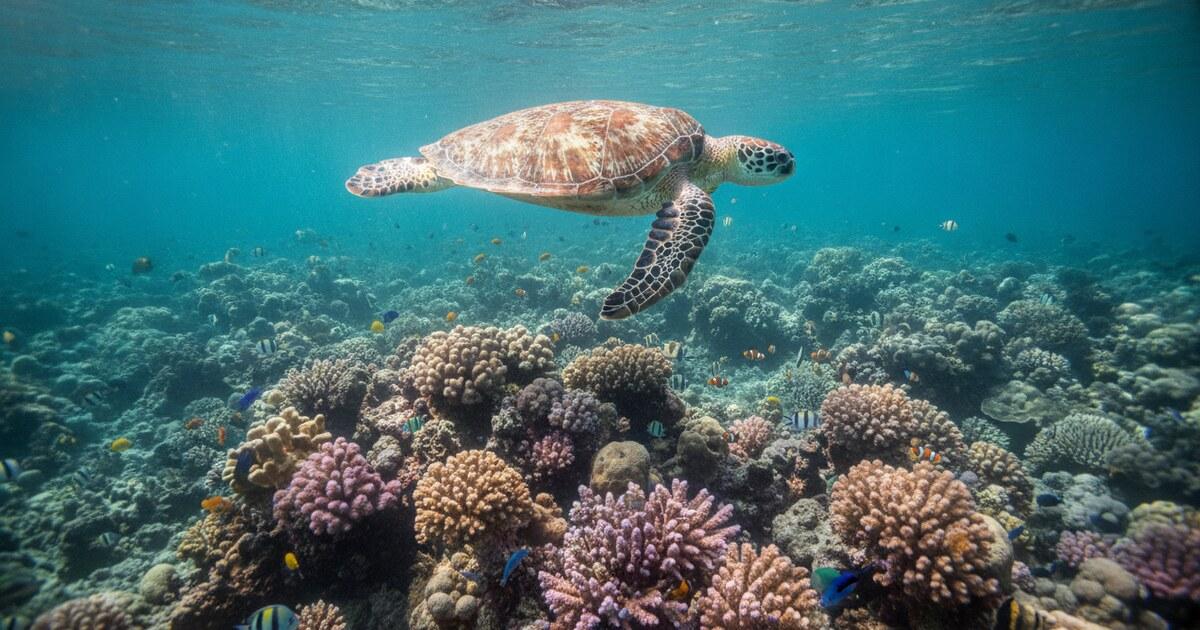
Your guide to diving in Australia: the Great Barrier Reef, Ningaloo Reef, SS Yongala wreck, with seasons, costs and cert levels for each.
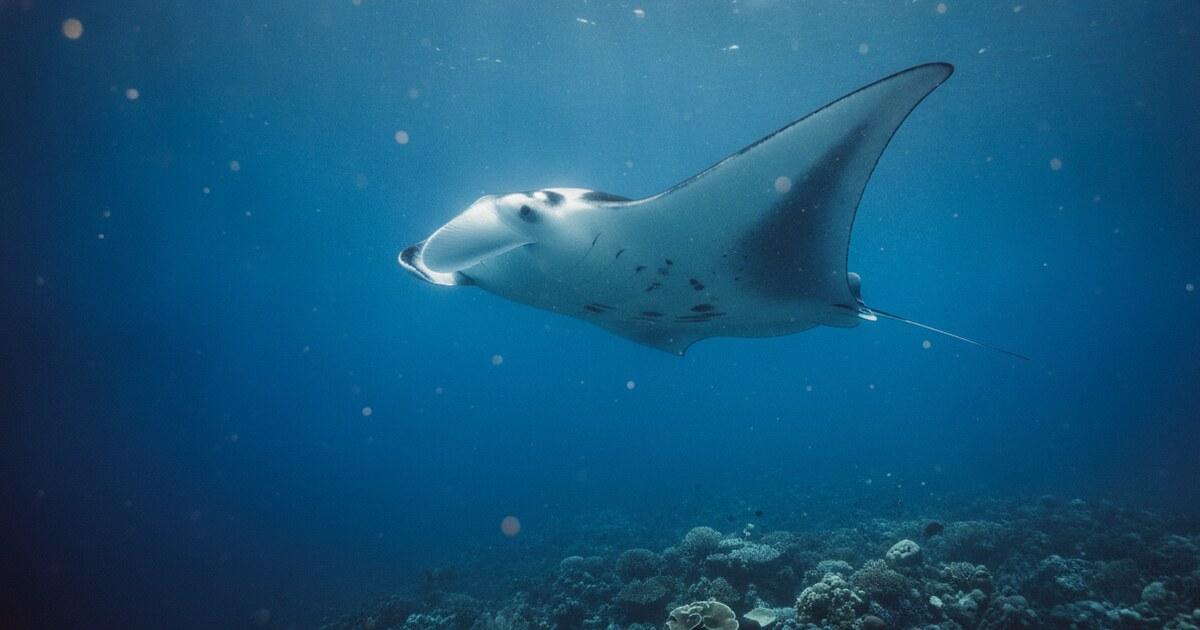
Plan your Indonesia dive trip: best regions from Raja Ampat to Lembeh, when to go, what certification you need, and what it costs.
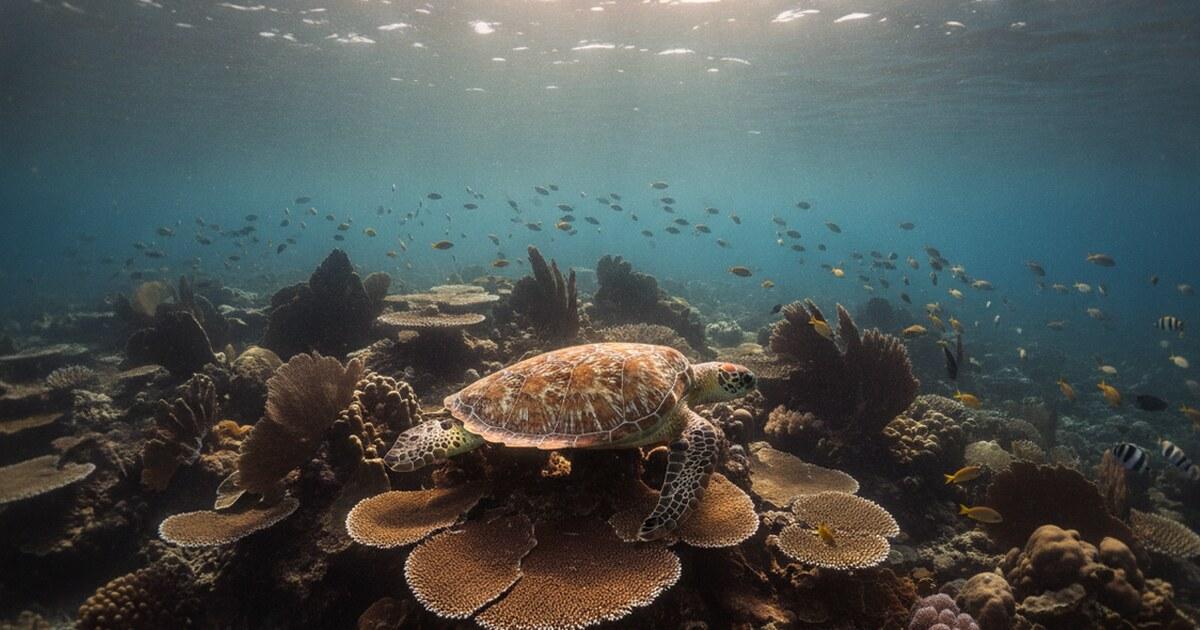
Plan your dive trip to Vietnam. Con Dao, Nha Trang, Phu Quoc and the Cham Islands compared by site, season, depth and cost.