Diving Palau: Sites, Season and Costs
Plan a Palau dive trip: Blue Corner, German Channel, Jellyfish Lake permits, what cert you need and the best time to go.
See live offers from local dive centres — pick a date and compare.
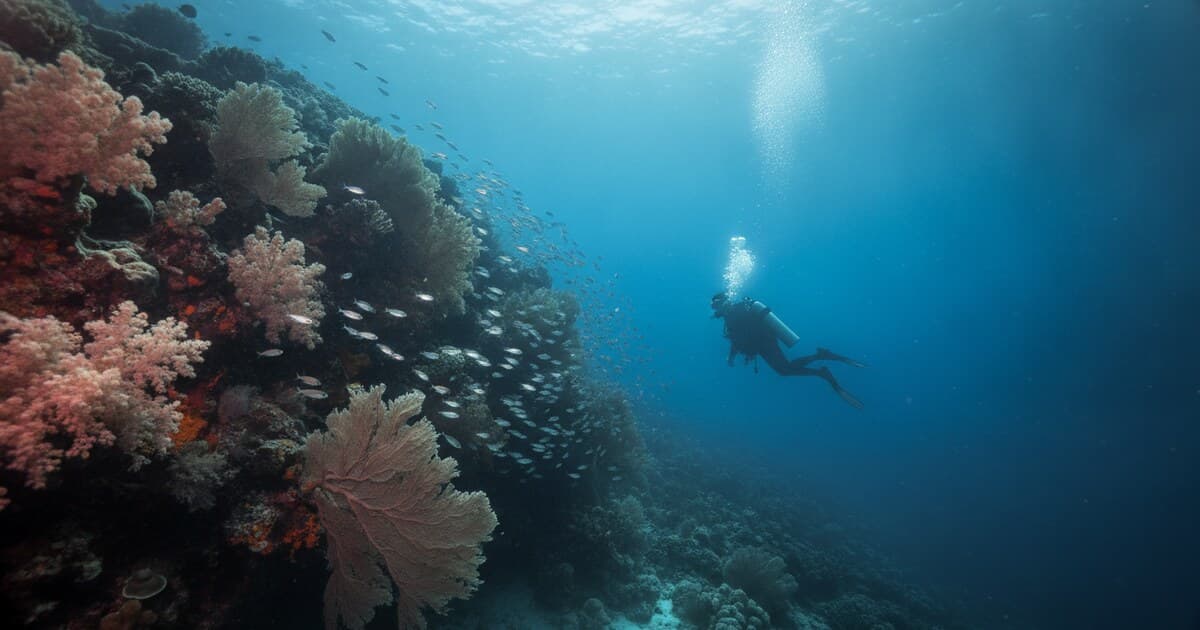
Scan for dives →Palau sits in the western Pacific, roughly 800 km east of the Philippines, and its diving has been on serious divers' wish lists since Jacques Cousteau called Blue Corner one of the best dive sites in the world in the 1970s. The archipelago's 459-square-kilometre lagoon is ringed by a barrier reef, scattered with 445 limestone islands, and threaded with channels that funnel currents past aggregations of sharks, mantas and pelagic fish that are hard to find anywhere else at these densities.
It's not an easy destination to reach from Europe or North America. Connections typically route through Manila, Guam or Tokyo, and the island of Koror, where most dive operations base themselves, is a full day of travel from most Western cities. Most divers who make the trip stay at least a week.
Diving in Palau is possible year-round, with the dry season from October to May offering the most consistent conditions. The peak window for shark diving runs March through April. Day trips out of Koror cost $180 to $250 USD for three tanks. Koror is the main base; most signature sites are 30 to 60 minutes away by boat.
Top Dive Sites in Palau
Blue Corner is the headline site, and it earns the reputation. A reef plateau juts out from the barrier wall at around 10 metres before the drop-off descends to 35 metres. The point is exposed to currents that regularly hit 2 to 3 knots, and those currents are the reason divers come: grey reef sharks in dozens, whitetip reef sharks, occasional silvertips, schools of jacks several thousand strong, barracuda, and a resident Napoleon wrasse that drifts through the fish like it owns the place.
The technique is to clip a reef hook (a stainless steel clip with a metre-long line) to the reef edge at the point and hold position in the flow while the fish stack up in front of you. It's an advanced dive. Advanced Open Water certification is the practical minimum, and solid buoyancy control in current is essential.
German Channel is the manta ray site. The channel was cut through the reef by German phosphate miners in the early 1900s. It now funnels water past a cleaning station where manta rays line up to have parasites removed by small wrasse.
Divers kneel on the sandy bottom at 15 to 20 metres and watch the mantas work the station overhead. The cleaning activity is most reliable from January through April. Currents are gentler than Blue Corner; intermediate divers with a few ocean dives logged handle it comfortably.
Blue Holes are four connected cavern openings at around 5 metres that descend into a shared chamber and exit through the wall at 32 metres. Shafts of surface light filter into the upper cavern. It's a quieter, more atmospheric dive than the current-heavy corner sites, though the depth and overhead environment put it in the advanced category.
Peleliu Corner is a 45-minute boat ride south from Koror, at the archipelago's southern tip. The site is a plateau at roughly 8 metres that drops past 40 metres into open water. Currents are strong and variable; grey reef sharks patrol in numbers, and hammerheads appear during certain months. Most operators require 50 or more logged dives for the deeper Peleliu spawning aggregation dives. It's the most demanding site in the regular Palau rotation.
Ulong Channel is the gentler alternative for divers who want current without the intensity of Blue Corner. A drift through coral-covered walls at 10 to 20 metres, with reef sharks, turtles and schooling fish moving with the surge. It's accessible at Open Water level and a good introduction to Palau's reef system.
Palau's main dive sites ring the barrier reef and outer islands of a 459 km² lagoon in the western Pacific. Blue Corner, the most-visited site, is a current-swept reef plateau at 10-35 metres where grey reef sharks, whitetip reef sharks and schools of jacks aggregate year-round. Currents reach 2-3 knots at the point; reef hooks are mandatory and Advanced Open Water is the practical minimum. German Channel, at 5-30 metres, hosts one of the Pacific's most consistent manta ray cleaning stations, most active January through April. Blue Holes descend through connected cavern chambers from 5 metres to a wall exit at 32 metres. Peleliu Corner at the southern tip drops past 40 metres with variable currents and regular pelagic traffic. Visibility averages 30 metres across all sites. Around 41,000 divers visit Palau annually, with roughly 8,600 specifically targeting the shark diving at Blue Corner and Peleliu.
Jellyfish Lake: Snorkelling, Not Scuba
Jellyfish Lake draws more search traffic than almost any dive site in Palau, so it's worth stating clearly: scuba diving is not permitted in the lake. The prohibition protects the jellyfish. It's a snorkelling-only site.
That said, it's genuinely unlike anything else in the Pacific. A landlocked marine lake on Mecherchar island, cut off from the ocean by limestone walls for around 12,000 years, it holds an estimated 5 to 13 million golden jellyfish (Mastigias papua) that evolved in isolation and lost their sting in the process. Snorkelling through them is like drifting through a slow amber cloud. The permit costs $100 per person and is separate from the state park permit.
Most day trips build Jellyfish Lake into a combined outing. A typical day does two dives in the morning at Blue Corner or German Channel, then crosses to Mecherchar in the afternoon for the lake. Travel time from Koror is around 40 minutes by speedboat.
When to Go Diving in Palau
The dry season runs October to May, with the best conditions concentrated from November through April. Visibility is highest, seas are calmer, and the water is at its most transparent. Visibility at the top sites averages 30 metres and can exceed that during the dry-season peak.
March and April are the best months for sharks. Grey reef shark numbers at Blue Corner build toward their seasonal peak during this window, and the Peleliu spawning aggregations that attract larger pelagic species happen in these months. If sharks are the specific reason for your trip, this is the window to target.
June to September is the wet season. Diving continues, and many days are perfectly fine, but some sites get cancelled on bad weather days and visibility can drop. Water temperature stays between 27°C and 30°C year-round, so the weather is the variable, not thermal comfort. A 3mm wetsuit works for most of the year. On longer dives or at deeper current-heavy sites where the thermocline drops the temperature, a 5mm is more comfortable.
What Certification Level You Need
Open Water certification gets you into the gentler sites: Ulong Channel, Chandelier Caves (a shallow cave system in the Rock Islands lit by filtered light from above), and some of the shallower Rock Islands reef dives. German Channel at intermediate level is also reachable at Open Water, and a manta encounter there is one of the best introductions to Palau diving.
Blue Corner, Blue Holes and Peleliu Corner are a different category. All three require Advanced Open Water as a minimum. Blue Corner requires a reef hook and the current-management skills to use one without dragging across the coral. Blue Holes requires comfort with overhead environments and controlled descents. Peleliu's depth and current are demanding enough that most operators require Advanced certification and 50+ logged dives for the deeper Peleliu dives.
If Blue Corner is the reason you're booking the trip, sort the Advanced Open Water certification before you travel. Most Palau operators don't run courses on the same schedule as their main day trips, and arriving as an Open Water diver means missing the sites that justify the journey.
Costs and Permits
A standard 3-tank day trip out of Koror runs $180 to $250 USD per person, typically including lunch and all equipment. Two-tank single-day trips range $209 to $540 depending on the operator, the site and the season.
The permit system adds to the total, and it catches a lot of visitors off-guard:
- State park permit (Koror/Peleliu): $50 to $100 USD per person, valid for 10 days. Covers entry to Blue Corner, German Channel and most Rock Islands sites. Most operators include this in their listed trip price, but confirm when you book.
- Jellyfish Lake permit: $100 per person, purchased separately on top of the state permit.
Most day-trip operators supply or rent reef hooks for a small fee. If you've never used one, ask for a current-briefing before entering the water at Blue Corner.
Liveaboards cover more of the archipelago and offer unlimited diving. A 7-night itinerary costs $3,835 USD or more depending on the vessel and operator. Permits are typically included in liveaboard packages. The journey home also warrants planning: check the recommended wait between your last dive and your flight before you confirm your departure day, given that Palau to most European or North American hubs is a multi-leg trip.
For context on how Palau compares to other Pacific destinations, our guide to diving the Great Barrier Reef covers Australia's flagship reef, and the Japan and Okinawa diving guide looks at a very different Pacific option with strong macro diving alongside the big-animal encounters.
How Diving Scanner Helps You Book Palau
Diving Scanner is a marketplace where dive centres post their trips and courses with live availability. You search by destination and group size and see only operators with real open places for your party in a single slot, rather than getting split across two boats.
For Palau, that means filtering by date and party size to find available trips on your actual travel window, rather than emailing half a dozen operators. Reviews are verified-booking-only: only divers who completed a booking can leave one. Cancellations for legitimate reasons receive a full refund including the platform commission, under the policy at divingscanner.net/cancellation.
Frequently Asked Questions
Is Palau good for beginner divers?
Palau has beginner-accessible sites including Ulong Channel and some shallow Rock Islands dives, but its most famous sites require Advanced Open Water. A beginner at Open Water level will see marine life and can do German Channel for a manta encounter. Blue Corner and Peleliu are off the table until certification advances. If you're travelling specifically for those sites, sort the upgrade before you go.
What is Jellyfish Lake in Palau?
Jellyfish Lake (Ongeim'l Tketau) is a landlocked marine lake on Mecherchar island, isolated from the ocean for approximately 12,000 years. It holds 5 to 13 million golden jellyfish that evolved in isolation and lost their sting. Scuba diving is not permitted; the site is snorkel-only to protect the ecosystem. The permit costs $100 per person, on top of the state park entry fee.
Do you need a reef hook for Blue Corner?
Yes, reef hooks are mandatory at Blue Corner. Divers clip the hook to the reef edge at the top of the point and hold position in the current while the fish and sharks aggregate in front of them. Most day-trip operators supply hooks or include them in equipment hire. If you haven't used one before, ask the dive guide for a technique briefing before you enter the water.
How far is Palau from the Philippines?
Palau sits around 800 km east of the Philippines, in the western Pacific. There are direct flights from Manila to Roman Tmetuchl International Airport on Koror. From Europe and North America, the journey involves a connection through Manila, Guam or Tokyo. Budget a full day of travel each way when planning the trip.
Browse dive centres and available trips in Palau at Diving Scanner. The group size filter shows only trips where your whole party fits into one slot on your chosen date.
Frequently asked questions
+Is Palau good for beginner divers?
Palau has beginner-accessible sites including Ulong Channel and some shallow Rock Islands dives, but its most famous sites require Advanced Open Water. A beginner at Open Water level will see marine life and can do German Channel for a manta encounter. Blue Corner and Peleliu are off the table until certification advances. If you're travelling specifically for those sites, sort the upgrade before you go.
+What is Jellyfish Lake in Palau?
Jellyfish Lake (Ongeim'l Tketau) is a landlocked marine lake on Mecherchar island, isolated from the ocean for approximately 12,000 years. It holds 5 to 13 million golden jellyfish that evolved in isolation and lost their sting. Scuba diving is not permitted; the site is snorkel-only to protect the ecosystem. The permit costs $100 per person, on top of the state park entry fee.
+Do you need a reef hook for Blue Corner?
Yes, reef hooks are mandatory at Blue Corner. Divers clip the hook to the reef edge at the top of the point and hold position in the current while the fish and sharks aggregate in front of them. Most day-trip operators supply hooks or include them in equipment hire. If you haven't used one before, ask the dive guide for a technique briefing before you enter the water.
+How far is Palau from the Philippines?
Palau sits around 800 km east of the Philippines, in the western Pacific. There are direct flights from Manila to Roman Tmetuchl International Airport on Koror. From Europe and North America, the journey involves a connection through Manila, Guam or Tokyo. Budget a full day of travel each way when planning the trip.
Elena covers dive destinations around the Mediterranean — where to go, when the water is worth it, and what a week of diving actually costs.
See live offers from local dive centres — pick a date and compare.
Scan for dives →Keep reading
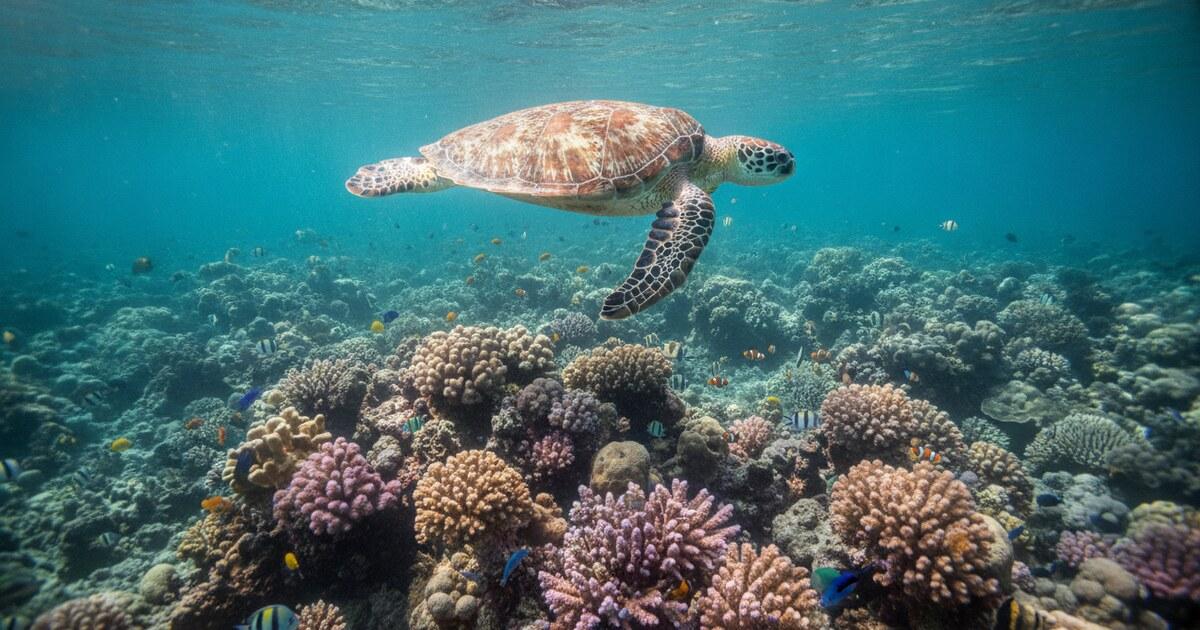
Your guide to diving in Australia: the Great Barrier Reef, Ningaloo Reef, SS Yongala wreck, with seasons, costs and cert levels for each.
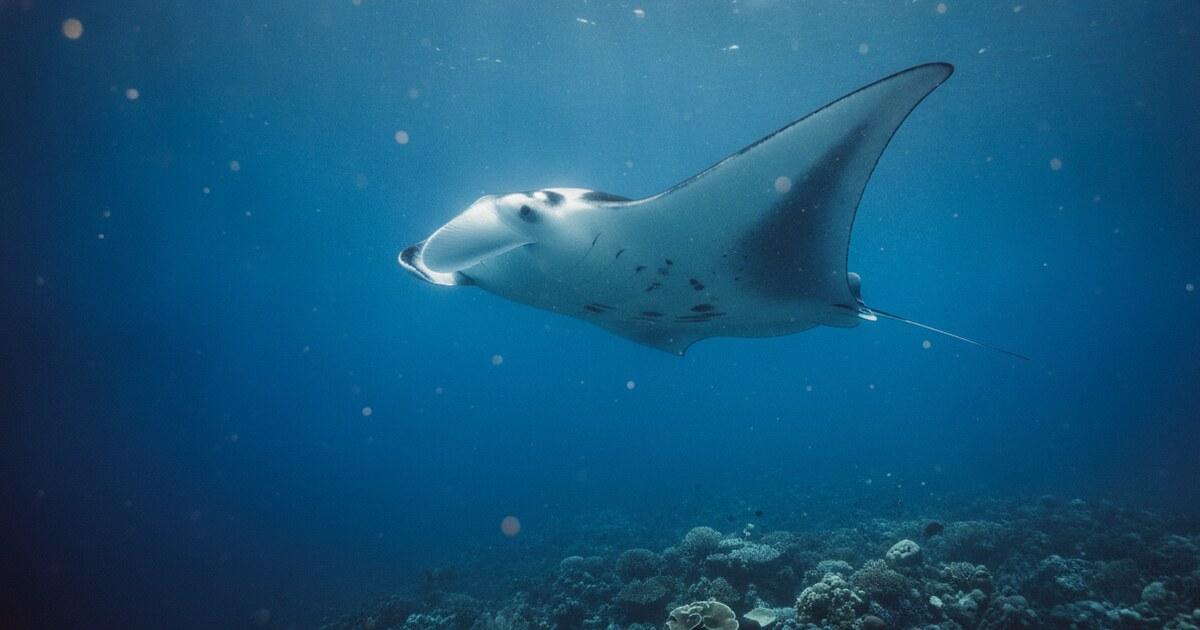
Plan your Indonesia dive trip: best regions from Raja Ampat to Lembeh, when to go, what certification you need, and what it costs.
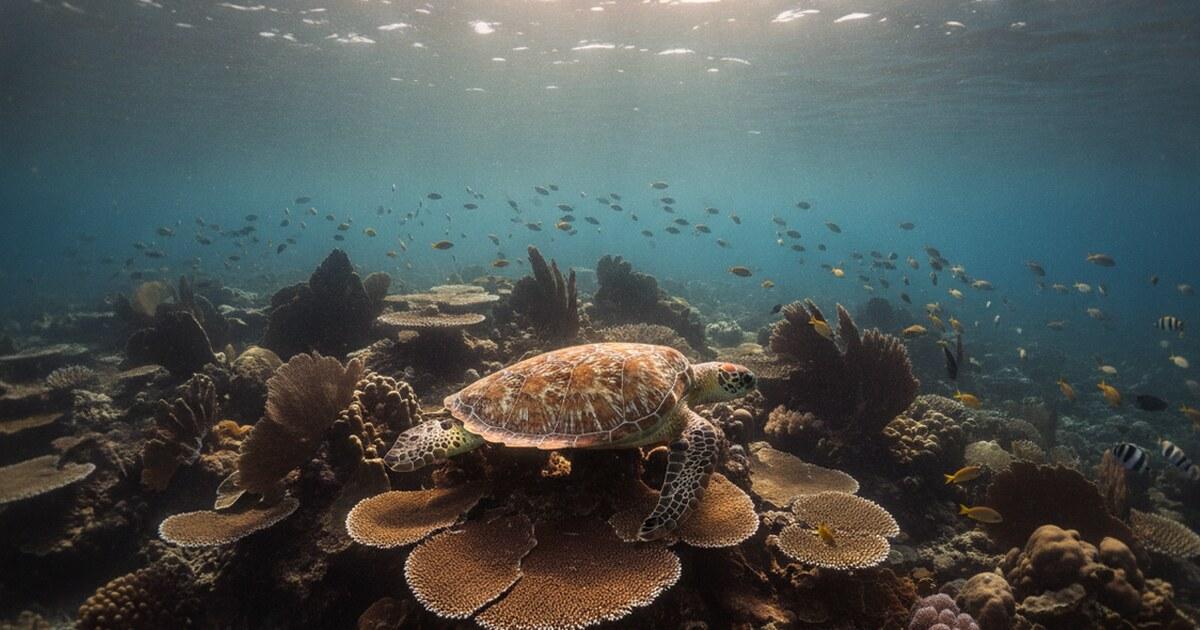
Plan your dive trip to Vietnam. Con Dao, Nha Trang, Phu Quoc and the Cham Islands compared by site, season, depth and cost.