Diving in Japan: Okinawa Guide to Sites, Season and Costs
Okinawa's best dive sites from the Blue Cave to Ishigaki's manta rays, Yonaguni's hammerheads and the Kerama Islands. Costs, season and tips.
See live offers from local dive centres — pick a date and compare.
Scan for dives →Japan's dive reputation travels by word of mouth. Divers who go come back talking about hammerhead schools at Yonaguni, manta rays circling cleaning stations at Ishigaki and the electric blue light inside Okinawa's famous sea cave. The country sits in the path of the Kuroshio Current, which keeps water temperatures comfortable year-round and fuels a marine ecosystem that holds more than 30,000 recorded species. Diving in Japan and Okinawa covers a 1,000-kilometre island chain stretching south from the Japanese mainland almost to Taiwan, with each island group offering something different.
Okinawa diving suits every experience level. The main island's Blue Cave is a beginner classic. The Kerama Islands have coral gardens and turtle encounters 45 minutes from Naha. Ishigaki's manta sites work every month of the year. Yonaguni's hammerhead aggregations draw specialist divers in winter. Budget 8,000 to 25,000 yen per dive depending on the island and dive type.
Okinawa Main Island: Blue Cave and the Classics
The Blue Cave at Cape Maeda is the site most divers do first. A narrow underwater entrance lets sunlight into the cavern, where the water turns an electric cobalt blue. It's a shore dive at 5 to 12 metres, accessible at Open Water level, and the species list includes soldierfish, batfish and juvenile reef fish using the shelter as a nursery. The cavern is genuinely beautiful, but it's also one of the most crowded dive sites in Japan: up to 1,000 divers and snorkelers visit on summer weekends.
Japan's Okinawa prefecture covers an archipelago of 160 islands stretching 1,000 kilometres across the Pacific, with the southernmost island, Yonaguni, sitting just 110 kilometres from Taiwan. The waters hold over 400 coral species and approximately 1,000 fish species, all sustained by the warm Kuroshio Current that keeps sea temperatures above 20°C year-round. Japan records more than 30,000 marine species, representing 14.6% of all known marine biodiversity worldwide. The main island's dive sites cluster around the northwestern Onna Village coast and the Cape Maeda area further south. Visibility varies from 15 metres on the busiest main island sites to 30 to 40 metres in the outer islands. Access to the outer islands runs via daily ferry from Tomari Port in Naha to the Keramas (45 to 65 minutes) and direct domestic flights to Ishigaki, Miyako and Yonaguni from Naha or Tokyo.
If you want the Blue Cave experience without the crowds, visit on weekday mornings outside July and August. The Miyagi Coast and Sesoko Island in northern Okinawa offer similar shallow reef diving with far fewer people. Boat dives from Onna Village give access to deeper walls and coral gardens at 15 to 25 metres. The USS Emmons, a 100-metre WWII destroyer minesweeper resting at 40 metres off Yomitan village, is one of Japan's best wreck dives and requires an Advanced Open Water certification.
The Kerama Islands: Best All-Round Diving Near Naha
The Kerama Islands became a national park in 2014, and that designation protected roughly 100 dive sites spread across Tokashiki, Zamami, Aka and Geruma islands. The reef health that earns Kerama its reputation shows up in the visibility: 20 to 40 metres on most days, even in summer.
Tokashiki runs a mix of drift dives, walls and flat reef gardens. Zamami holds giant anemone beds with multiple clownfish species, and both islands see sea turtles on nearly every dive. The sites inside the national park boundaries are accessible at Open Water level, which makes Kerama the logical first outer-island trip for anyone who hasn't dived Japan before.
The ferry runs daily from Tomari Port, the journey takes under an hour, and the islands have their own dive centres. October delivers the best Kerama conditions: post-typhoon clarity, still-warm water in the mid-20s Celsius, and far fewer boats than August.
Outer Islands: Ishigaki, Miyako, Kume and Yonaguni
The four main outer-island groups each cover diving that the main island doesn't offer.
Ishigaki is Japan's manta capital. The Manta Scramble at Kabira Bay and the cleaning stations around Manta City Point see manta rays year-round, with July through September being the highest-activity period. A 3-tank day trip from an Ishigaki operator typically runs 22,000 to 26,000 yen and includes a manta request dive during peak season. Ishigaki also has good beginner reef sites and the broader Yaeyama Islands nearby for experienced divers who want walls, wrecks and channels.
Miyako Islands have two standout features. Tori-ike is an underwater tunnel connecting the open ocean to a tidal lake, creating a distinctive light play at the junction point. Yabiji is a coral reef complex made up of more than 100 individual reef heads spread across open water, only diveable in the calm conditions of summer.
Kume Island is the place to see black manta rays. A site called Manta Station is the most reliable location in Japan to find the melanistic colour form. Kume also carries a string of pelagic-rich outer wall dives with dogtooth tuna and bigeye trevally.
Yonaguni is the most remote island in the Okinawa chain and draws two types of divers. The Irizaki sites hold scalloped hammerhead sharks in schools of up to 100 individuals from November through June, peaking in January and February. The Yonaguni Monument sits at 15 to 25 metres and generates ongoing debate about whether it's natural or man-made. All Yonaguni diving is drift diving in moderate to strong current, so comfortable neutral buoyancy at depth is a requirement before you go.
When to Go Diving in Okinawa, Japan
Okinawa's year-round water temperatures mean there's no true off-season for diving in Japan. Winter drops to 20 to 23°C, comfortable with a 5mm wetsuit. Summer reaches 28 to 30°C, where a 3mm shorty is plenty.
Season planning matters for two reasons: typhoons and specific marine life windows.
Typhoon season runs from June through October, with peak activity in July, August and September. A passing typhoon cancels all boat dives for two to five days, and the sea can stay rough for a day or two after. If your trip has a fixed end date in summer, build buffer days into the plan.
October is the most recommended single month. Typhoon risk drops sharply, water temperature stays in the mid-to-high 20s, post-summer visibility is strong, and boat days are far less crowded than August. For Yonaguni hammerheads, January and February are the peak months, with water at around 21°C.
| Period | Temp | What it's good for |
|---|---|---|
| Jan–Feb | 20–23°C | Yonaguni hammerheads peak; Kerama humpback whales |
| Apr–Jun | 22–26°C | Shoulder season; calm seas; visibility building |
| Jul–Sep | 27–30°C | Ishigaki manta peak; typhoon risk high |
| Oct | 25–28°C | Best overall window; post-typhoon clarity, low crowds |
| Nov–Dec | 21–24°C | Yonaguni season starts; quiet across all islands |
What Dives Cost in Okinawa
Pricing depends on the island, the dive type and what's included.
On the main island, shore dives with a guide run around 8,000 yen. A 2-tank boat dive costs 13,000 to 15,000 yen, with equipment rental adding 3,000 to 5,000 yen on top. Discovery dives for uncertified divers start around 10,000 to 12,000 yen.
At Ishigaki, a 3-tank day trip including a manta request dive typically runs 22,000 to 26,000 yen. Manta-specific experience dives (for uncertified divers, accompanied by an instructor) start around 25,000 yen for two dives. Yonaguni's hammerhead dives cost 15,000 to 20,000 yen for a 2-tank drift session, with transport from the mainland adding significantly to the total.
Budget roughly 30,000 to 40,000 yen per day (dives plus equipment, excluding accommodation and travel) if you're planning an outer island trip with a full day of diving.
Planning Your Okinawa Dive Trip
Finding an English-speaking dive centre in Okinawa takes more research than booking in the Mediterranean or Southeast Asia. Most outer-island operators have functional English, but skill level varies by shop and guide. Reading verified reviews from other divers before booking is the most reliable way to find an operator who fits.
Diving Scanner lets you filter by destination, date and group size, read reviews from verified bookings, and secure a slot with a 10% deposit. The balance goes directly to the centre, and legitimate cancellations receive a full refund including the platform commission. Search operators and availability at divingscanner.net.
Japan isn't the cheapest dive destination in the Pacific, but it delivers on its reputation. A practical itinerary combines two to three days on the main island (Blue Cave plus a boat dive or two), a Kerama day trip, and one outer-island leg: Ishigaki for mantas, or Yonaguni in winter for the hammerheads.
For packing and flying logistics specific to dive travel, our scuba diving gear checklist covers what to bring and what centres typically provide. If you're flying out the same week you dive, check our guide on flying after diving for the surface interval rules. For the next stop in the Pacific region, the Great Barrier Reef is the natural continuation.
Frequently Asked Questions
Is Okinawa good for beginner divers?
Yes. The Kerama Islands are the best option for beginners: flat reef sites, calm water inside the national park, and visibility of 20 to 40 metres. The Blue Cave on the main island is also accessible at Open Water level. The USS Emmons wreck (40m) and Yonaguni drift dives require more experience and an Advanced Open Water certification.
When can you see hammerhead sharks in Okinawa?
Scalloped hammerhead sharks aggregate at Yonaguni's Irizaki sites from November through June. The peak is January and February, when schools of up to 100 individuals have been recorded. Water temperatures at Yonaguni in winter sit around 21°C, so bring a 5mm wetsuit.
Do you need a licence to dive in Okinawa?
For fun diving at most sites, an Open Water certification (PADI, SSI, NAUI or equivalent) is required. Discovery dives with an instructor are available at many centres for uncertified divers, typically limited to 5 to 12 metres. Advanced certification opens up the USS Emmons wreck and Yonaguni drift dives.
What is the water temperature in Okinawa?
Water temperatures range from 20 to 23°C in winter (January through March) to 27 to 30°C in summer (July through September). The outer islands, particularly Ishigaki and Yonaguni, stay slightly warmer year-round due to the direct influence of the Kuroshio Current.
How much does a day of diving cost in Okinawa?
On the main island, budget 13,000 to 15,000 yen for a 2-tank boat dive plus 3,000 to 5,000 yen for equipment rental. At Ishigaki, a 3-tank day trip with manta dives runs 22,000 to 26,000 yen. Yonaguni drift dives cost around 15,000 to 20,000 yen for two tanks. Prices generally don't include accommodation or island transport.
Frequently asked questions
+Is Okinawa good for beginner divers?
Yes. The Kerama Islands are the best option for beginners: flat reef sites, calm water inside the national park, and visibility of 20 to 40 metres. The Blue Cave on the main island is also accessible at Open Water level. The USS Emmons wreck (40m) and Yonaguni drift dives require more experience and an Advanced Open Water certification.
+When can you see hammerhead sharks in Okinawa?
Scalloped hammerhead sharks aggregate at Yonaguni's Irizaki sites from November through June. The peak is January and February, when schools of up to 100 individuals have been recorded. Water temperatures at Yonaguni in winter sit around 21°C, so bring a 5mm wetsuit.
+Do you need a licence to dive in Okinawa?
For fun diving at most sites, an Open Water certification (PADI, SSI, NAUI or equivalent) is required. Discovery dives with an instructor are available at many centres for uncertified divers, typically limited to 5 to 12 metres. Advanced certification opens up the USS Emmons wreck and Yonaguni drift dives.
+What is the water temperature in Okinawa?
Water temperatures range from 20 to 23°C in winter (January through March) to 27 to 30°C in summer (July through September). The outer islands, particularly Ishigaki and Yonaguni, stay slightly warmer year-round due to the direct influence of the Kuroshio Current.
+How much does a day of diving cost in Okinawa?
On the main island, budget 13,000 to 15,000 yen for a 2-tank boat dive plus 3,000 to 5,000 yen for equipment rental. At Ishigaki, a 3-tank day trip with manta dives runs 22,000 to 26,000 yen. Yonaguni drift dives cost around 15,000 to 20,000 yen for two tanks. Prices generally don't include accommodation or island transport.
Elena covers dive destinations around the Mediterranean — where to go, when the water is worth it, and what a week of diving actually costs.
See live offers from local dive centres — pick a date and compare.
Scan for dives →Planning the trip? Diving in Japan →
Keep reading
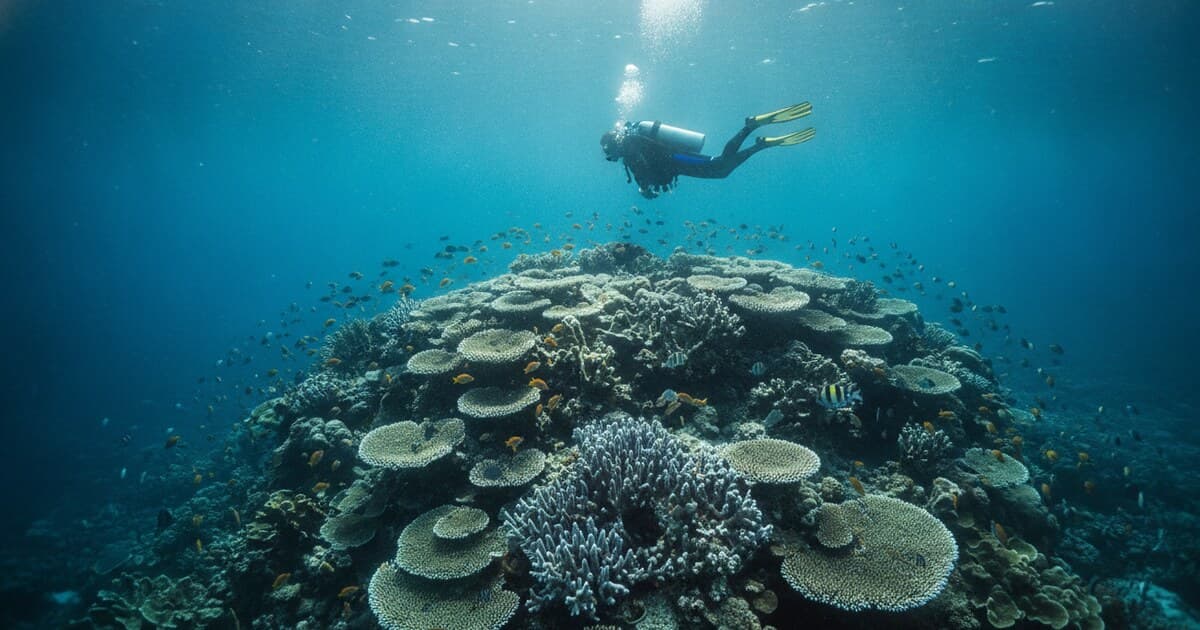
Plan your Great Barrier Reef dive trip: best sites, best season, realistic costs and how to choose between day trips and liveaboards.
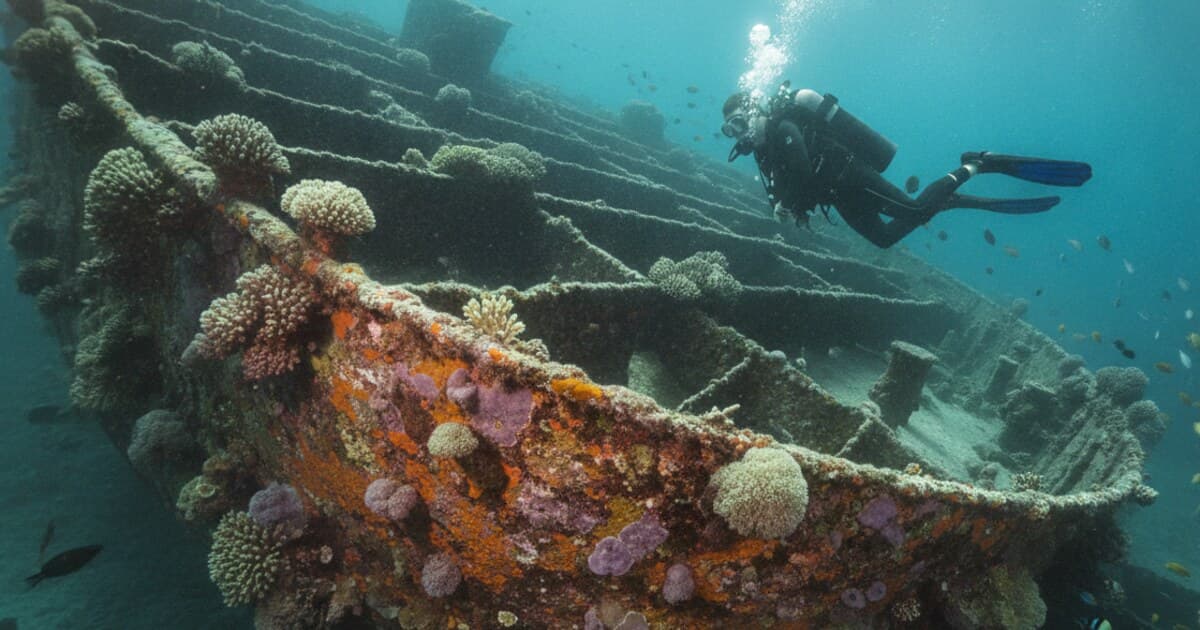
A practical guide to diving in Bali: the best sites from Tulamben to Nusa Penida, seasonal timing, realistic costs and how to find a dive centre.
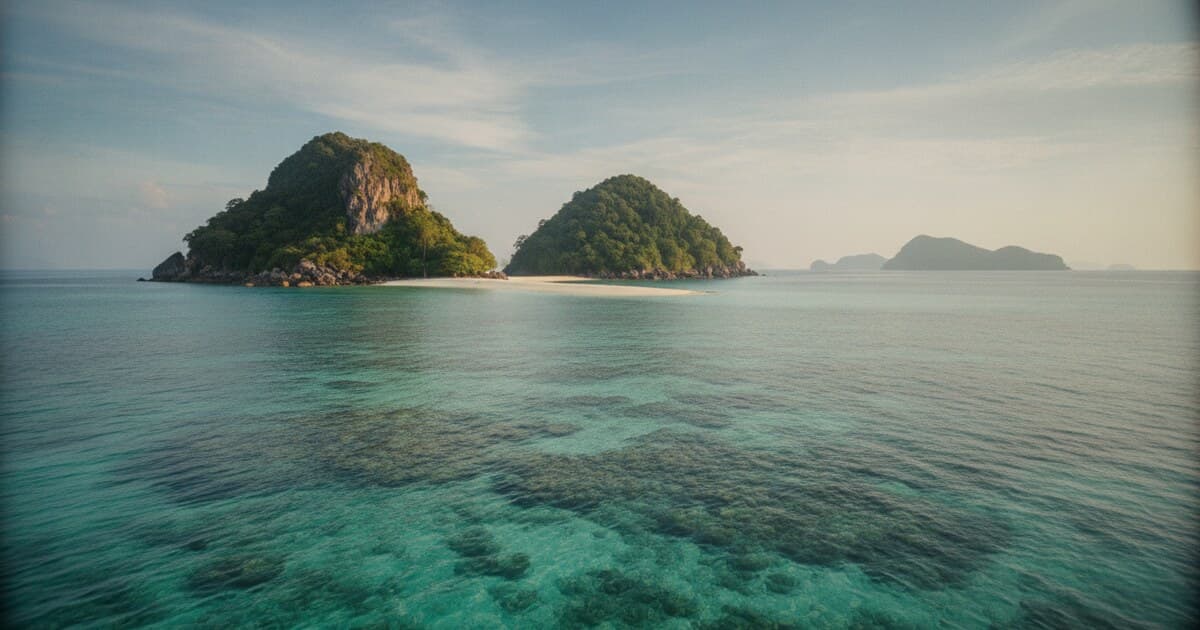
Koh Tao diving: 25+ sites, PADI Open Water from $290, and warm water year-round. This guide covers the best sites, seasons, and real costs.