Koh Tao Diving: Sites, Season and Costs
Koh Tao diving: 25+ sites, PADI Open Water from $290, and warm water year-round. This guide covers the best sites, seasons, and real costs.
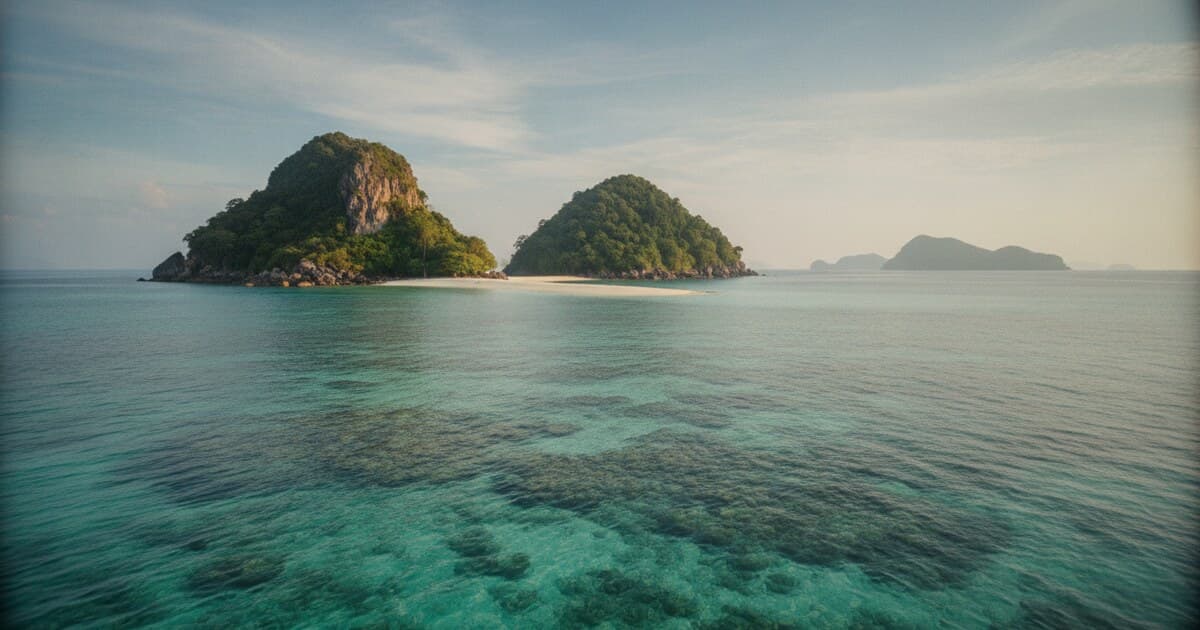
See live offers from local dive centres — pick a date and compare.
Scan for dives →Koh Tao diving has a reputation that's hard to argue with: this 21 km² island in the Gulf of Thailand issues more PADI certifications per year than almost anywhere else on the planet. A motorbike can cross the whole island in under 30 minutes.
The water stays warm at 28-30°C year-round, the reef system is healthy, and courses cost a fraction of what they'd run in Europe or Australia. Whether you're after your first open-water cert or want to log time at one of Asia's best scuba destinations, Koh Tao is worth building a trip around. This guide covers the key sites, the best months to go, and what you'll realistically spend.
Koh Tao diving is excellent year-round. Visibility reaches 20-30 metres, water temperature stays around 29°C, and PADI Open Water courses cost 10,000-13,000 THB ($290-380 USD). The island has 25+ dive sites, from sheltered bays for first-timers to open-ocean pinnacles like Sail Rock, where whale sharks appear in spring.
Why Koh Tao Became Southeast Asia's Dive Capital
Koh Tao earns its reputation as Southeast Asia's scuba hub for concrete reasons. The water stays warm year-round (28-30°C), visibility averages 20-25 metres outside the monsoon months, and 25+ established dive sites sit within a short boat ride. Beginners find sheltered bays with depths of 5-12 metres.
Advanced divers get open-ocean pinnacles like Chumphon, which drops to 40 metres and holds large pelagic fish year-round. The island sits in the Chumphon Archipelago in the Gulf of Thailand, a position that gives it natural protection from both the east-coast and west-coast monsoon systems. That's why it stays diveable when coastal sites elsewhere in Thailand shut down.
Water temperature dips to 26-27°C in January and February, but that's far from cold enough to affect the dive experience. Visibility peaks July through September at 25-30 metres. The November-to-January wet season brings it down to 10-15 metres, but also fewer crowds and lower prices.
The cost side clinches it for most divers. Because the island has been certifying divers since the early 1990s, competition between dozens of dive schools keeps prices low. Open Water courses run 10,000-13,000 THB, roughly $290-380 USD, compared to $400-600+ in most western countries.
The Best Koh Tao Dive Sites
Koh Tao has 25+ named sites, most reachable within 5-30 minutes by longtail or dive boat. Here are the ones worth planning around:
Japanese Gardens (3-14m) sits between Koh Tao and the tiny island of Koh Nang Yuan. It's the standard beginner site: calm conditions, dense coral coverage, and reliable turtle sightings. Open Water trainees do confined-water sessions here, and visibility stays good even on rougher surface days because of the sheltered position.
Twins (10-20m) is another training staple just off the north coast. Two parallel coral ridges run side by side, covered in reef fish. Most Open Water students complete their certification dives here, and intermediate divers come back for the nudibranchs and cleaning stations.
White Rock (5-30m) is the site local dive guides recommend for second or third dives. Moray eels, barracuda, and stingrays are regulars. The depth range suits intermediate divers pushing past training conditions without committing to a full advanced site.
HTMS Sattakut is a decommissioned Royal Thai Navy vessel sunk deliberately in 2011 to create an artificial reef. The 50-metre hull sits at 28-33m depth and is already thick with soft corals and glassfish clouds. It's an Advanced Open Water or certified fun-dive site.
Southwest Pinnacle (15-33m) is the go-to for experienced divers on days with decent current. Leopard sharks rest on the sandy bottom, and schools of batfish and large groupers hold near the pinnacle at depth. Advanced Open Water certification or equivalent experience required.
Chumphon Pinnacle (15-40m) is the island's deepest accessible site. Giant barracuda, silvertip reef sharks, and whale sharks visit regularly. It needs Advanced certification or solid equivalent experience. Day trips here take around 40-50 minutes by boat.
Sail Rock sits between Koh Tao and Koh Phangan, a 35-40 minute boat ride from shore. This granite pinnacle rises from 30m to breach the surface. It's widely considered the best single dive in the Gulf of Thailand. Whale sharks cruise past March through May. Day trips cost 2,800-3,800 THB ($80-110 USD) and include three dives, breakfast, and lunch.
Koh Tao Diving Season: When to Go
Koh Tao is diveable all year, but conditions shift across the seasons.
March to May is prime time for whale shark sightings at Sail Rock and Chumphon Pinnacle. Visibility holds at 20-25 metres, seas are calm, and water is warm. This is also one of the busier periods, so book courses at least a week in advance.
June to September brings the best visibility of the year: 25-30 metres on good days. Water temperature peaks at 29-30°C. July and August are full peak season, boats fill fast, and the island is at its busiest. September is the sweet spot: excellent conditions, thinner crowds, and easier bookings.
October to November is the transitional period. Conditions are often still reasonable in October. November is when the northeast monsoon picks up, reducing visibility to 15-20 metres and occasionally closing outer sites like Sail Rock for a day or two. Prices start dropping 15-25%.
December to February brings the roughest conditions and the coolest water (26-27°C). Some years the seas stay manageable; in others, northerly winds make the outer pinnacles sporadic. Whale shark sightings are rare. Budget divers target this window for the lower prices and quieter boats.
If you're choosing on conditions alone, June through early October is the answer. If budget matters more than optimal visibility, the months either side deliver solid diving at noticeably lower prices.
What Koh Tao Diving Costs in 2026
Here's a realistic breakdown, based on current market prices across Koh Tao dive schools:
Try dives (no certification needed):
- Discovery Dive (1-2 dives, instructor 1-on-1): 2,000-2,500 THB ($57-72 USD)
Certification courses:
- PADI Open Water: 10,000-13,000 THB ($290-380 USD), 3-4 days
- PADI Advanced Open Water: 8,000-10,000 THB ($230-290 USD), 2 days
- PADI Rescue Diver: 10,000-12,000 THB
Fun dives for certified divers:
- Single dive: 800-1,000 THB ($23-29 USD)
- Two-dive package: 1,500-2,000 THB
- Sail Rock day trip (3 dives, meals included): 2,800-3,800 THB ($80-110 USD)
Most schools bundle equipment rental into the course price. A 3mm wetsuit covers all seasons comfortably. Nitrox fills cost an extra 100-200 THB per dive if you want enriched air.
To keep costs down: avoid July-August peak pricing, compare two or three schools before committing, and confirm exactly what's included (equipment, photos, transfers) before booking. Schools on the main Sairee Beach strip tend to price slightly higher than those a few minutes inland.
If your return flight leaves the day after your last dive, check how long to wait between diving and flying before locking in your itinerary.
How Diving Scanner Helps You Book
Diving Scanner is a marketplace for booking dives with vetted centres. Search by destination, date, and number of divers. The platform only shows slots that can take your full party on your chosen date in a single booking. You won't split your group across two boats or find out at the dock that the slot was overbooked.
Reviews on Diving Scanner come exclusively from divers who completed a booking with that centre. No incentivised writeups, no discount vouchers for a five-star rating: verified post-dive feedback only.
Booking locks in your spot with a 10% deposit. You pay the remaining balance directly to the centre when you arrive. Groups larger than 8 are routed to a private charter inquiry rather than squeezed into a standard slot. Legitimate cancellations receive a full refund, including the platform's commission.
Koh Tao is a natural first stop for a Southeast Asia dive trip. If you're extending the journey further east, diving in Raja Ampat in Indonesia covers one of the most biodiverse reef systems on the planet.
Frequently Asked Questions
Is Koh Tao good for scuba diving?
Yes, consistently so. The island has 25+ dive sites, year-round water temperatures of 26-30°C, and visibility averaging 20-25 metres outside the wet season. It's one of the most affordable places in Asia to get certified, and experienced divers have enough site variety to stay interested across a full week.
How much does a diving course cost in Koh Tao?
A PADI Open Water course runs 10,000-13,000 THB ($290-380 USD) and takes 3-4 days. Advanced Open Water costs 8,000-10,000 THB. Prices stay competitive because dozens of certified dive schools operate on the island, most including equipment rental in the course fee.
When is the best time to visit Koh Tao for diving?
June through September delivers the best visibility (25-30 metres) and warmest water. March through May offers good conditions and the best chance of seeing whale sharks at Sail Rock. October into November brings transitional weather with lower prices. December through February is the roughest period: manageable visibility but less reliable outer-site access.
Are there dangerous sharks in Koh Tao?
Blacktip and whitetip reef sharks are common at deeper sites like Southwest Pinnacle and Chumphon Pinnacle. They're curious around divers but not aggressive. Whale sharks visit seasonally (primarily March-May at Sail Rock). Bull sharks exist in Thai waters but are extremely rare sightings around Koh Tao specifically.
Can beginners dive in Koh Tao?
Absolutely. Sites like Japanese Gardens and Twins are specifically suited to new divers, with depths of 5-20 metres and calm conditions in most seasons. Discovery Dives cost 2,000-2,500 THB and are conducted with an instructor in the water the whole time. No certification or prior experience required.
Search available Koh Tao centres on Diving Scanner, filter by your travel dates and group size, and lock in your spot with a 10% deposit before you fly. Once the diving's sorted, the scuba diving gear checklist covers everything to pack.
Frequently asked questions
+Is Koh Tao good for scuba diving?
Yes, consistently so. The island has 25+ dive sites, year-round water temperatures of 26-30°C, and visibility averaging 20-25 metres outside the wet season. It's one of the most affordable places in Asia to get certified, and experienced divers have enough site variety to stay interested across a full week.
+How much does a diving course cost in Koh Tao?
A PADI Open Water course runs 10,000-13,000 THB ($290-380 USD) and takes 3-4 days. Advanced Open Water costs 8,000-10,000 THB. Prices stay competitive because dozens of certified dive schools operate on the island, most including equipment rental in the course fee.
+When is the best time to visit Koh Tao for diving?
June through September delivers the best visibility (25-30 metres) and warmest water. March through May offers good conditions and the best chance of seeing whale sharks at Sail Rock. October into November brings transitional weather with lower prices. December through February is the roughest period: manageable visibility but less reliable outer-site access.
+Are there dangerous sharks in Koh Tao?
Blacktip and whitetip reef sharks are common at deeper sites like Southwest Pinnacle and Chumphon Pinnacle. They're curious around divers but not aggressive. Whale sharks visit seasonally (primarily March-May at Sail Rock). Bull sharks exist in Thai waters but are extremely rare sightings around Koh Tao specifically.
+Can beginners dive in Koh Tao?
Absolutely. Sites like Japanese Gardens and Twins are specifically suited to new divers, with depths of 5-20 metres and calm conditions in most seasons. Discovery Dives cost 2,000-2,500 THB and are conducted with an instructor in the water the whole time. No certification or prior experience required.
Elena covers dive destinations around the Mediterranean — where to go, when the water is worth it, and what a week of diving actually costs.
See live offers from local dive centres — pick a date and compare.
Scan for dives →Planning the trip? Diving in Thailand →
Keep reading
Plan your Great Barrier Reef dive trip: best sites, best season, realistic costs and how to choose between day trips and liveaboards.
A practical guide to diving in Bali: the best sites from Tulamben to Nusa Penida, seasonal timing, realistic costs and how to find a dive centre.
Plan your Raja Ampat dive trip: best sites, season, costs and the liveaboard vs resort question answered with current prices and certification requirements.