Snorkeling in Cyprus: Best Spots, Season and Tips
The best snorkeling spots in Cyprus by area: Paphos, Ayia Napa, Protaras and Larnaca. Where to find sea turtles, what the water is like, and when to visit.
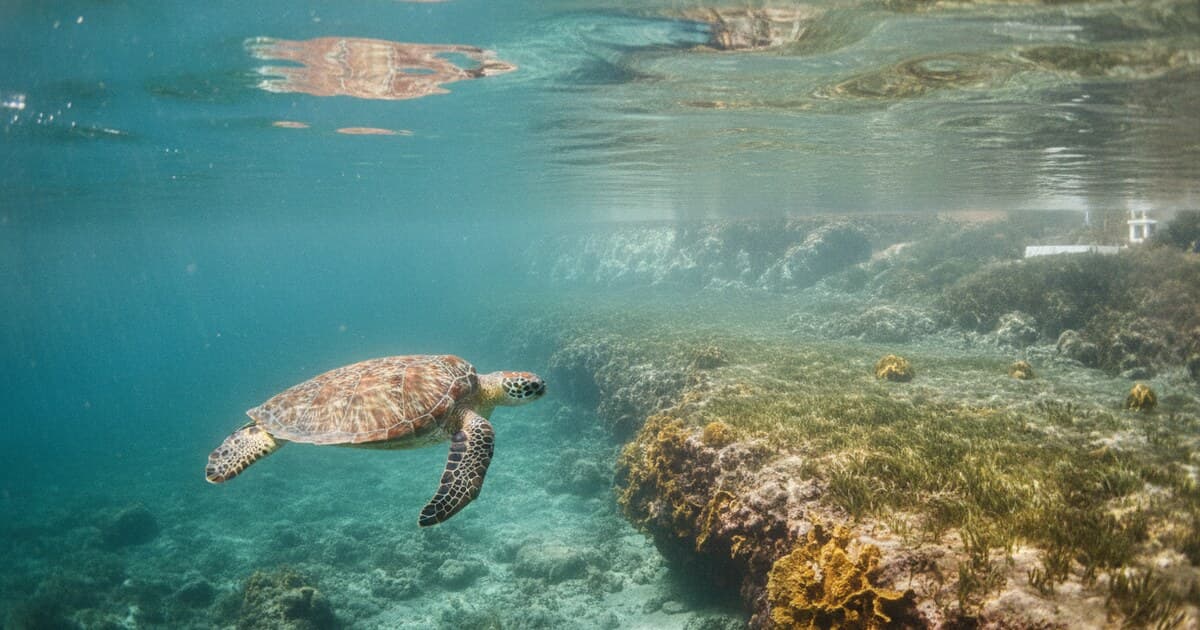
See live offers from local dive centres — pick a date and compare.
Scan for dives →Snorkeling in Cyprus gets less attention than the scuba diving, but the surface conditions are just as good. The eastern Mediterranean keeps water temperatures between 22°C and 28°C from May through October, visibility regularly tops 25 metres inside sheltered bays, and the rocky coastline runs from limestone walls to sandy patches with enough variation to hold fish, octopus, rays, and sea turtles through the season.
This guide covers all four main tourist areas — Paphos, Ayia Napa, Protaras, and Larnaca — with the specific spots that actually deliver, the month-by-month conditions, and the practical details for anyone trying to plan a trip rather than just read about one.
Cyprus is a good snorkeling destination from May to October, with water temperatures reaching 22 to 28°C and visibility often exceeding 25 metres. The standout spots are Green Bay in Protaras, Konnos Beach, Cape Greco National Forest near Ayia Napa, and Coral Bay outside Paphos. Sea turtles are sighted regularly at Green Bay, Konnos, and Agios Georgios near Paphos from June through October.
Snorkeling in Paphos: Coral Bay, Turtles and the Latchi Coast
Paphos covers a long stretch of the west and northwest coast, and the snorkeling quality varies significantly depending on where you go.
Coral Bay, 11km north of Paphos town, is the most accessible option on the west coast. The curve of the bay shelters the water from westerly winds, the sandy floor is shallow enough for children, and the rocky edges on either side hold wrasse, bream, and octopus in the crevices. Beach bars nearby rent masks and fins for around €5 to €10. It's calm, reliable, and easy to reach from most Paphos accommodation.
Agios Georgios Beach, near Pegeia village, is a quieter spot that most guides overlook. Green sea turtles feed in the shallows on calm mornings, and because the beach gets less foot traffic than Coral Bay, encounters are more consistent. Arrive before 9am.
Latchi, at the edge of the Akamas Peninsula, is the furthest from the resort strip and the most rewarding for it. The seabed near the Baths of Aphrodite beach moves from sandy patches into deeper rocky reef with stronger fish density than anything closer to Paphos town. Dive centres in Latchi run boat trips to offshore spots including Turtle Reef, where groupers, octopus, and cuttlefish are regular alongside any turtles.
For certified divers on the same stretch of coast, the guide to diving in Paphos covers the underwater sites in detail.
Snorkeling in Ayia Napa and Cape Greco
Ayia Napa has the most varied snorkeling on the island: beach-access spots for beginners, a unique underwater sculpture park, and the rocky headland of Cape Greco for anyone wanting something more demanding.
Cape Greco National Forest covers the limestone coast between Ayia Napa and Protaras. The cliff base drops into clear reef with moray eels in the caves, groupers along the walls, and rays crossing the sandy patches below. Visibility regularly hits 20 metres or better, and the site is undisturbed enough that the fish don't spook easily. This is a rocky entry, so water shoes and confidence in the water are both worth having.
MUSAN, the Museum of Underwater Sculpture Ayia Napa, sits at Katsarka Beach. Around 93 life-sized concrete sculptures rest on the seabed at 8 to 10 metres depth, making this unlike anything else in Cyprus. Snorkelers can peer down from the surface; the sculptures have been colonising with marine growth since they were placed and now attract small fish, nudibranchs, and invertebrates. The artificial reef effect has developed quickly, and the site gets more interesting every year.
Nissi Beach suits families well. The small island offshore shelters a shallow rocky area with solid fish life in the crevices. Konnos Beach, on the eastern edge of the Ayia Napa municipality, is consistently cited as one of the clearest spots on the island and has sea turtle sightings throughout the summer.
The scuba diving guide to Ayia Napa covers what lies below snorkeling depth at these sites.
Snorkeling in Protaras: Green Bay and the Turtle Coast
Protaras gets the best snorkeling conditions on the island. The east-facing coastline is sheltered from the prevailing westerly winds, the bays are small and clear, and Green Bay has consistent turtle sightings that have put it on Mediterranean snorkeling shortlists well beyond Cyprus itself.
Green Bay in Protaras is one of the most reliable spots in the Mediterranean to swim alongside sea turtles without a boat. Loggerhead turtles (Caretta caretta) and green sea turtles (Chelonia mydas) feed on seagrass beds in the bay's shallow waters from June through October. Cyprus holds one of the largest sea turtle nesting populations in the eastern Mediterranean; Lara Beach on the Akamas Peninsula has been a monitored nesting site since 1976, overseen by the Cyprus Department of Fisheries and Marine Research. In Green Bay, turtles typically feed at 1.5 to 5 metres depth, within comfortable viewing range from the surface without free-diving. Morning visits before 9am give the best sighting odds before boat traffic builds up. Water clarity here regularly exceeds 20 metres in summer, and the sandy floor reflects enough light to spot turtles from several metres above.
Fig Tree Bay is Protaras's most photographed beach and a solid family snorkeling spot. The bay curves enough to keep the water calm, and the rocky sections on the right side have a gradual drop-off with wrasse, damselfish, and the occasional octopus tucked under a ledge.
Sirena Bay and Kalamies Bay, a short walk north, are smaller and less visited. Both have recorded turtle sightings through the summer months and calmer water than the main tourist beaches.
If you're staying in Protaras and want to go deeper, the guide to scuba diving in Protaras covers what's available for certified divers nearby.
Snorkeling near Larnaca
Larnaca is the weakest of the four areas for snorkeling. The main city beach is long, sandy, and shallow with little to look at below the surface, and the Zenobia wreck — the bay's most famous underwater feature — sits at 16 to 42 metres, well beyond snorkeling range.
The rocky outcrops north of the city have some interest, and the reef near the Zenobia dive entry points holds reasonable fish life fed by the activity deeper below. It's worth a look if you're already based in Larnaca, but it won't match what Protaras delivers on a 40-minute drive. For everything Larnaca Bay holds for certified divers, the diving guide to Larnaca covers the Zenobia and the surrounding sites.
If snorkeling is the priority and Larnaca is your base, Protaras is the easy answer.
When to Come and What the Water Is Like
Season: May through October. June to September is the sweet spot for temperature, visibility, and turtle activity. May and October offer quieter conditions with slightly cooler water but identical clarity.
Water temperature: 22 to 24°C in May, rising to 27 to 30°C through August and September, then settling back around 24°C by late October. A 3mm wetsuit is comfortable in May and November; the rest of the season most people snorkel without one.
Visibility: 25 metres or better across most of the island from June to September. The eastern Mediterranean's low rainfall and minimal river runoff keeps the water clear through the whole summer. Inside sheltered bays on a calm day, conditions can hit 30 metres.
Turtle timing: loggerhead and green sea turtles are present in Cypriot waters from March to November. June through October is the peak period for in-water sightings. Nesting runs from May to August, concentrated at Lara Beach in Paphos.
Crowds: July and August bring the most people on the water. May, June, and September give the same visibility and temperature with noticeably fewer swimmers at the main spots.
What to Bring
Equipment rental is available near most main beaches: mask, snorkel and fins for €5 to €10 per session at beach bars and dive centres. Rental masks often don't seal well, so if you plan more than one snorkel session it's worth buying your own before the trip. A proper seal makes a bigger difference than most people expect until they've tried both.
Fins are worth wearing, particularly around rocky headlands where small currents pick up. Standard short snorkeling fins work fine; freediving fins aren't necessary.
Reef-safe sunscreen: some protected bays in Cyprus limit chemical sunscreens because of the effect on seagrass and coral growth. Mineral (zinc-oxide) sunscreen or a rash guard sidesteps the issue entirely.
Entry points: most bays in Cyprus have sandy beach access with a gradual depth increase. Rocky entries at Cape Greco and similar exposed headlands benefit from water shoes. The Cyprus Meteorological Service forecast is worth checking before a rocky-entry snorkel — the east coast is well sheltered, but Cape Greco faces southeast and can get choppy in a sirocco or easterly swell.
Frequently Asked Questions
Is Cyprus good for snorkeling?
Yes. Warm, clear water from May to October, rocky reef with solid fish and invertebrate diversity, and reliable sea turtle sightings at several accessible spots put Cyprus well above the Mediterranean average for snorkeling. The eastern location means warmer temperatures and better visibility than much of the western Mediterranean.
Where can I see turtles snorkeling in Cyprus?
Green Bay in Protaras is the most reliable spot, followed by Konnos Beach, Kalamies Bay, and Sirena Bay in the same area. In Paphos, Agios Georgios Beach and guided boat trips to Turtle Reef off the Latchi coast give the best odds. Turtles feed at 1.5 to 5 metres depth and are usually spotted on calm mornings from June to October.
Do I need a guided tour to snorkel in Cyprus?
Most main spots — Coral Bay, Green Bay, Konnos Beach, Fig Tree Bay — are accessible independently from the beach with your own equipment. Guided boat trips are worth it for offshore sites like Turtle Reef and for Cape Greco if you want a pre-planned route. Dive centres in Paphos and Protaras run half-day snorkel tours with equipment included throughout the season.
What marine life can I expect snorkeling in Cyprus?
Sea turtles are the headline draw. Beyond that: bream, wrasse, damselfish and parrotfish are common on most reefs. Octopus are found in rocky areas throughout the island. Moray eels sit in caves and ledges at Cape Greco and similar rocky sites. Rays cross sandy patches near the wrecks and around Protaras.
What's the best month to snorkel in Cyprus?
June to September for the best water temperature (25 to 30°C) and turtle activity. September is worth considering if you want the warmest water with fewer people. May and October are good alternatives if the main reason you're visiting isn't the turtles specifically.
Looking for a guided snorkel trip with equipment and a route planned? Diving Scanner lists verified dive centres across Cyprus running snorkeling trips throughout the season. Search by date and party size to check availability, then book with a 10% deposit. The balance goes directly to the centre on the day.
Frequently asked questions
+Is Cyprus good for snorkeling?
Yes. Warm, clear water from May to October, rocky reef with solid fish and invertebrate diversity, and reliable sea turtle sightings at several accessible spots put Cyprus well above the Mediterranean average for snorkeling. The eastern location means warmer temperatures and better visibility than much of the western Mediterranean.
+Where can I see turtles snorkeling in Cyprus?
Green Bay in Protaras is the most reliable spot, followed by Konnos Beach, Kalamies Bay, and Sirena Bay in the same area. In Paphos, Agios Georgios Beach and guided boat trips to Turtle Reef off the Latchi coast give the best odds. Turtles feed at 1.5 to 5 metres depth and are usually spotted on calm mornings from June to October.
+Do I need a guided tour to snorkel in Cyprus?
Most main spots — Coral Bay, Green Bay, Konnos Beach, Fig Tree Bay — are accessible independently from the beach with your own equipment. Guided boat trips are worth it for offshore sites like Turtle Reef and for Cape Greco if you want a pre-planned route. Dive centres in Paphos and Protaras run half-day snorkel tours with equipment included throughout the season.
+What marine life can I expect snorkeling in Cyprus?
Sea turtles are the headline draw. Beyond that: bream, wrasse, damselfish and parrotfish are common on most reefs. Octopus are found in rocky areas throughout the island. Moray eels sit in caves and ledges at Cape Greco and similar rocky sites. Rays cross sandy patches near the wrecks and around Protaras.
+What's the best month to snorkel in Cyprus?
June to September for the best water temperature (25 to 30°C) and turtle activity. September is worth considering if you want the warmest water with fewer people. May and October are good alternatives if the main reason you're visiting isn't the turtles specifically.
Elena covers dive destinations around the Mediterranean — where to go, when the water is worth it, and what a week of diving actually costs.
See live offers from local dive centres — pick a date and compare.
Scan for dives →Planning the trip? Diving in Cyprus →
Keep reading
Your guide to diving in Australia: the Great Barrier Reef, Ningaloo Reef, SS Yongala wreck, with seasons, costs and cert levels for each.
Plan your Indonesia dive trip: best regions from Raja Ampat to Lembeh, when to go, what certification you need, and what it costs.
Plan your dive trip to Vietnam. Con Dao, Nha Trang, Phu Quoc and the Cham Islands compared by site, season, depth and cost.